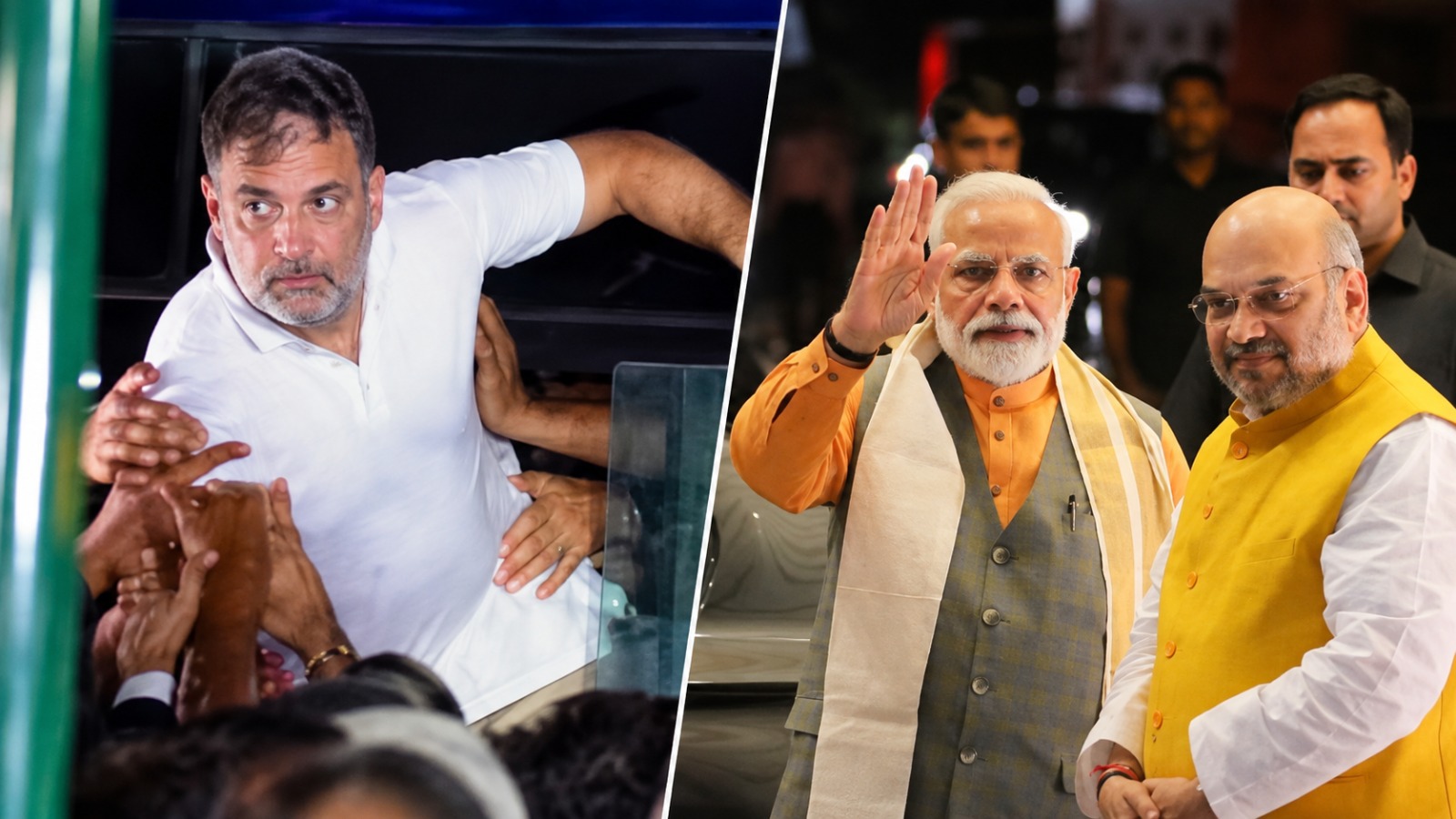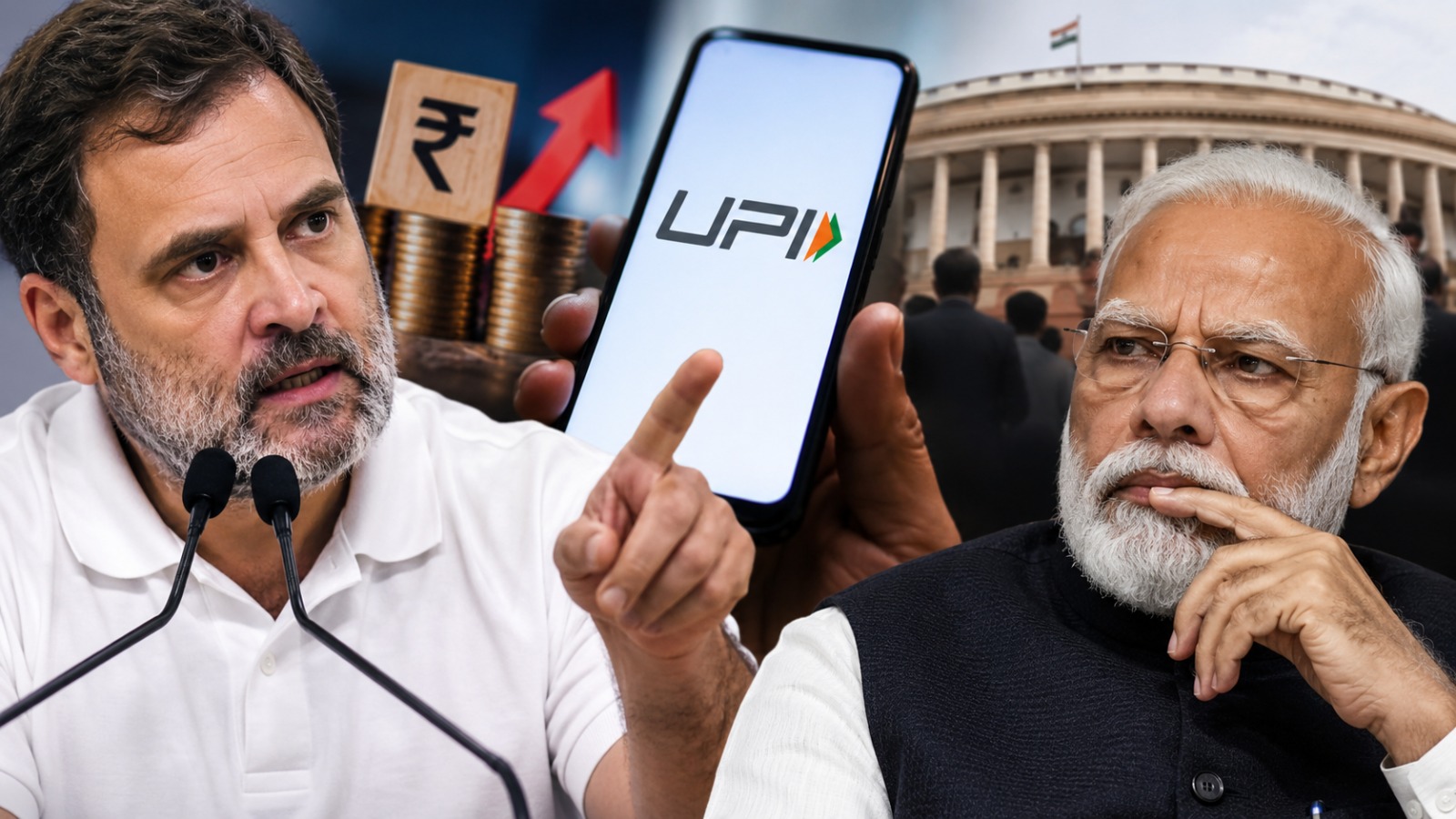
Leader of the Opposition in the Lok Sabha Rahul Gandhi slammed the Narendra Modi government over a recent notification concerning UPI transactions, alleging that it could pave the way for merchant charges on high-value payments.
“The Modi government has quietly opened the door to imposing fees on UPI,” Rahul Gandhi said in a post on X. He pointed to the possibility of a Merchant Discount Rate (MDR) being imposed on merchant UPI transactions above ₹2,000, arguing that such payments, although a small share of transaction volume, account for a significant proportion of the total value processed through UPI.
The government has directed banks and payment system providers not to charge customers for UPI transactions of up to ₹2,000 or for payments made using RuPay debit cards. However, the notification does not specify whether merchants could be charged for UPI payments above ₹2,000. At present, UPI transactions do not attract charges based on their value.
Rahul Gandhi argued that any cost imposed on merchants would eventually be passed on to consumers through higher prices. “The government says no fees will be charged to customers. But where will the fees imposed on shopkeepers ultimately come from? Added to prices, straight out of the customer’s pocket,” he said. Gandhi also alleged that American payment companies had long opposed India’s zero-MDR policy and accused the government of yielding to US pressure. “Just like with the US Trade Deal, Compromised PM Modi is once again surrendering to American pressure,” he said.
Congress president Mallikarjun Kharge also criticised the government, accusing it of placing an additional burden on consumers already facing inflation. “The Modi government’s loot has now reached UPI,” Kharge said on X, questioning the shift from a blanket “No fees on UPI” policy to one covering transactions only up to ₹2,000. He also asked whether higher costs for merchants would eventually be recovered from consumers through increased prices.
The September 14 notification follows an amendment to Section 10A of the Payment and Settlement Systems Act, 2007, creating a framework for imposing MDR on UPI and other notified digital payment modes. The amendment was passed during Parliament’s Monsoon Session, which concluded on August 13. Following its passage, the government said the UPI and Services Steering Committee, headed by the National Payments Corporation of India (NPCI), would determine MDR rates. The government has argued that UPI’s rapidly increasing transaction volumes require sustained investment in cybersecurity, fraud prevention and digital infrastructure. It has also said that a revenue model is needed to make the system self-sustaining, encourage competition and support its next phase of expansion, while ensuring that UPI remains “robust, inclusive, and future-ready”.