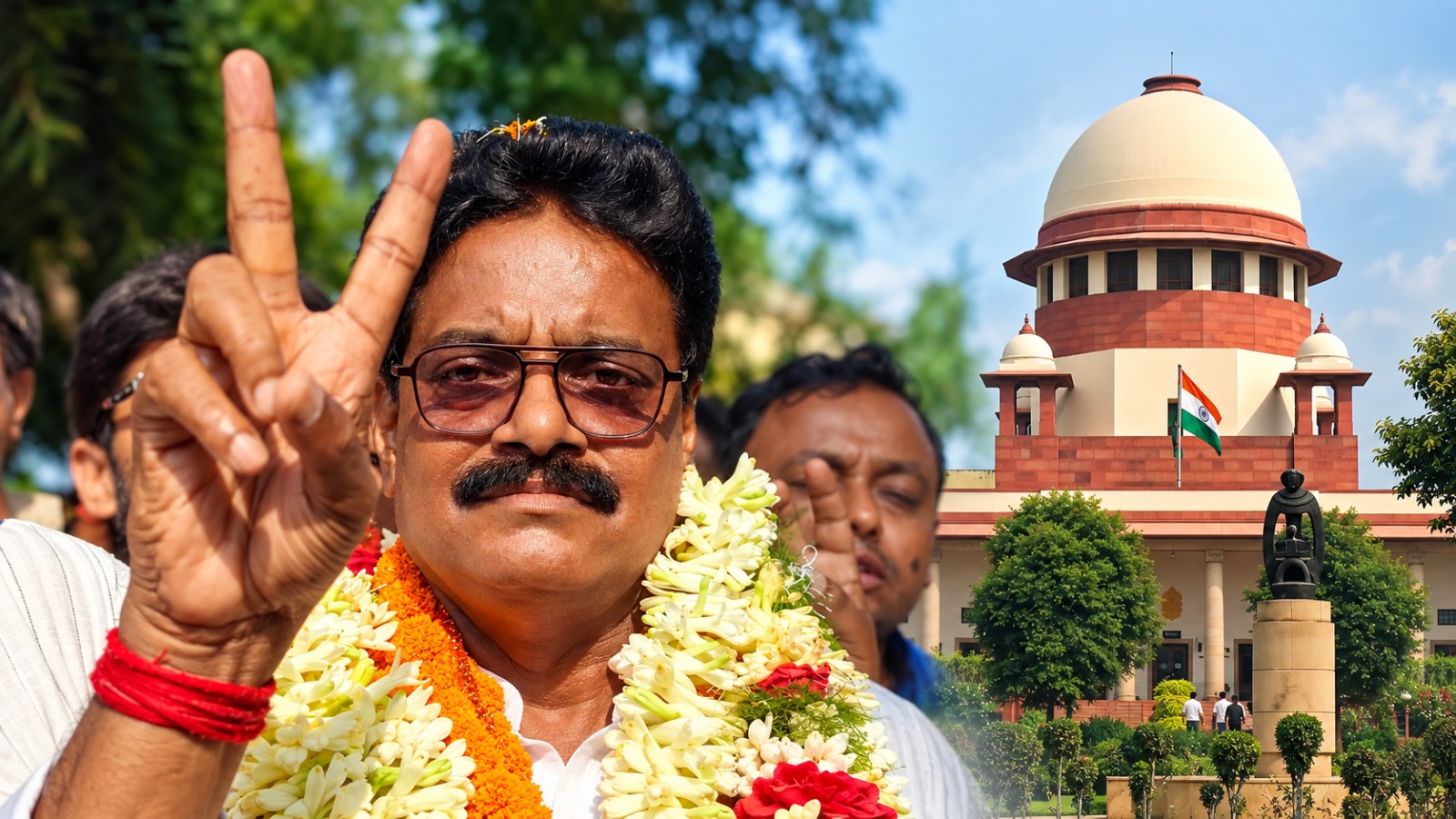

The Odisha government has rejected the remission plea of Ravindra Kumar Pal alias Dara Singh, who is serving a life sentence for the 1999 murder of Australian missionary Graham Stuart Staines and his two minor sons. The decision was placed before the Supreme Court on Thursday, which allowed Singh to amend his petition and formally challenge the rejection.
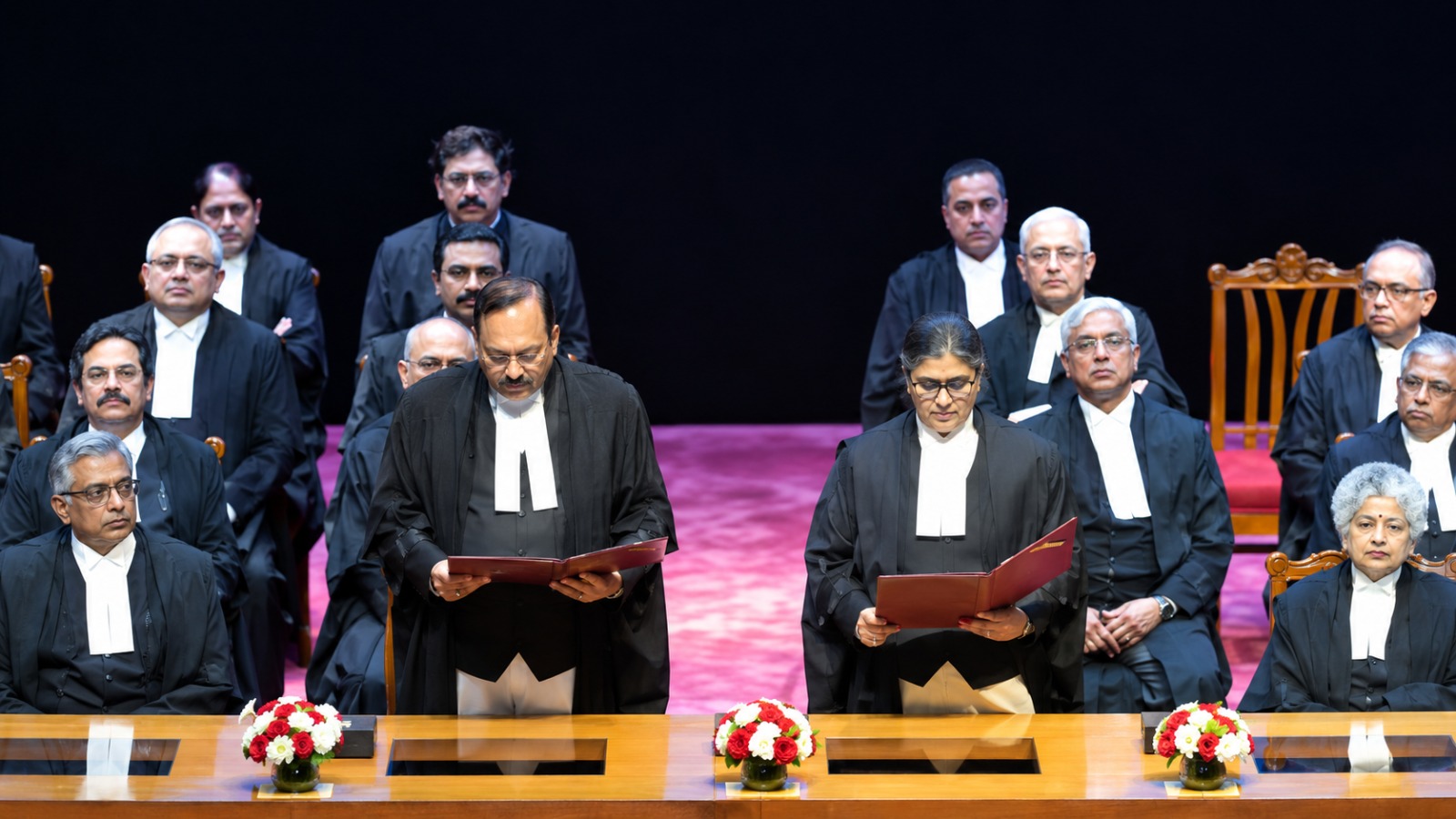
A bench of Justices Manoj Misra and Vijay Bishnoi was hearing Singh’s plea after the Supreme Court had repeatedly asked Odisha authorities to take a decision on his request for premature release. The state informed the court that its State Sentence Review Board had rejected the remission plea in an order dated August 31, 2026.
“You take whatever grounds you want to challenge it. Amend your petition and then argue,” the bench told Singh’s counsel, according to the court proceedings reported by PTI. The court granted the petitioner two weeks to file an amendment application and listed the matter after three weeks.
Why Odisha rejected the plea?
The Sentence Review Board said it was not inclined to recommend Singh’s premature release “in view of certain facts and circumstances”. Reports based on the board’s proceedings said concerns about possible law-and-order problems and communal tensions were among the factors considered.
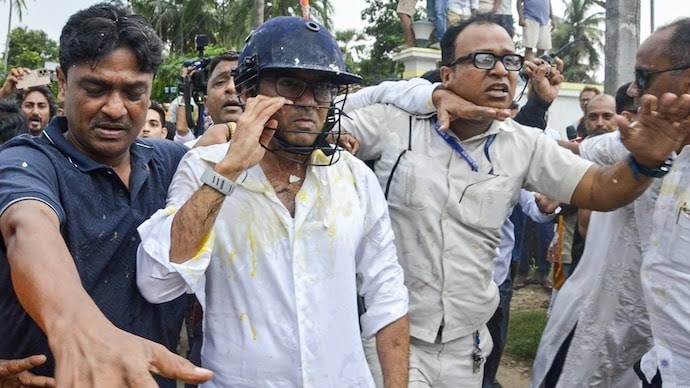
The Times of India reported that the board took note of a report from the Keonjhar district administration concerning a gathering outside the district jail on August 15. According to the report, around 200–250 people associated with an organisation identified as the “Dara Sena” had gathered in connection with Singh’s proposed release and allegedly raised provocative slogans.
A senior Odisha government official told The Times of India: “The government’s decision was guided by the prevailing ground realities and the potential ramifications of such a move.” The official said the state would place its position before the Supreme Court.
The board had previously considered Singh’s remission requests on several occasions. According to reports, earlier decisions had also taken into account concerns about the possible social impact of his release. At the same time, the Keonjhar district administration had conditionally recommended premature release in March 2025, subject to restrictions intended to preserve social harmony.
The 1999 Staines killings
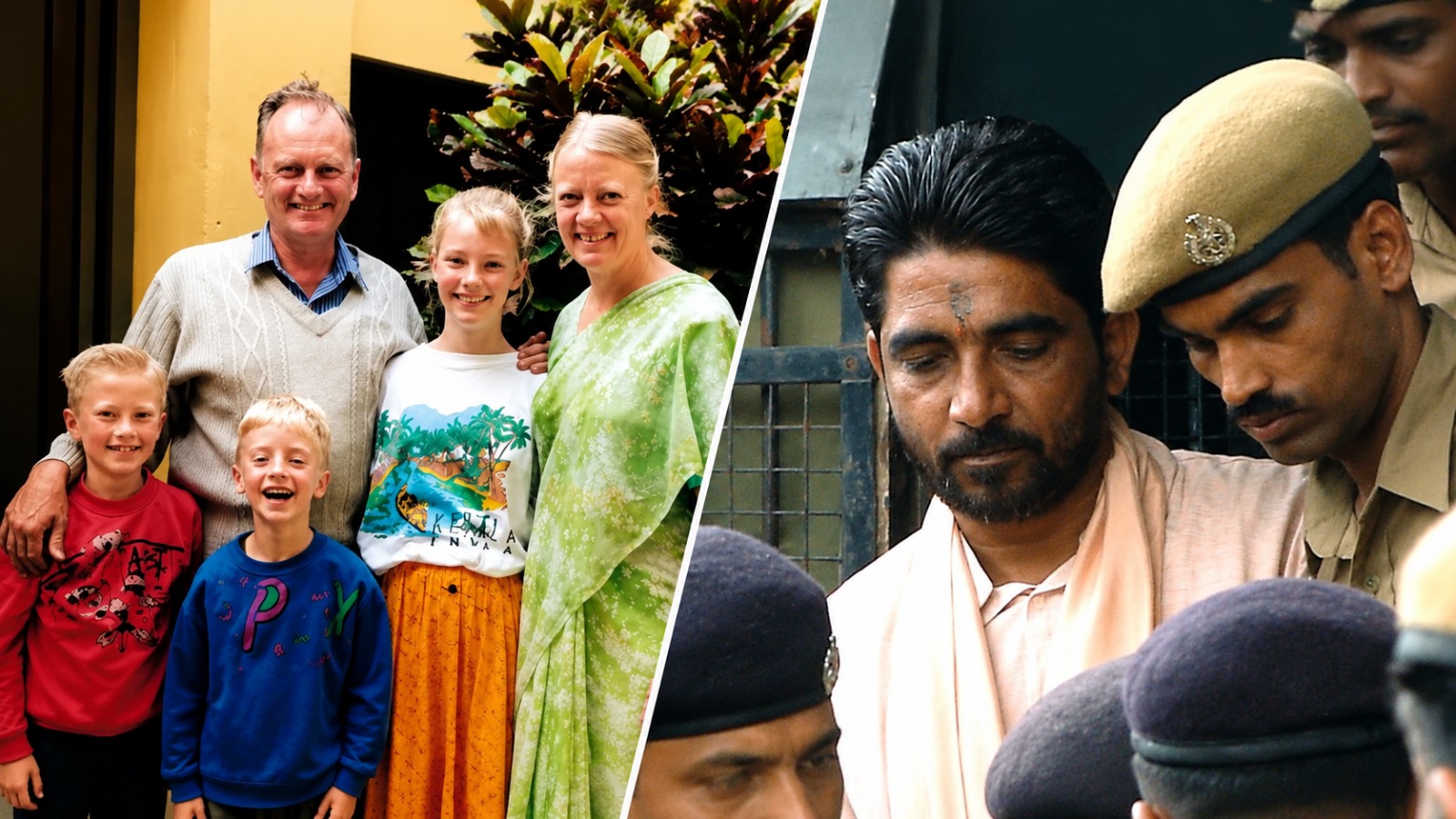
The case dates back to January 1999, when Australian missionary Graham Staines and his sons, Philip, 10, and Timothy, 6, were killed after the vehicle in which they were sleeping was set on fire in Manoharpur village in Odisha’s Keonjhar district.
Singh was convicted in the case and initially sentenced to death by a trial court in 2003. The Orissa High Court later commuted the death sentence to life imprisonment, a decision that was subsequently upheld by the Supreme Court.
Singh has remained in prison for more than 25 years. In his remission petition, he argued that his conduct in prison had been good and expressed remorse for his actions. The BBC reported that his 2024 petition described the crime as having occurred during the “fervour of youth” and said he “deeply regrets” the transgressions.
The BBC also reported that Singh had previously made controversial statements about the killings and his opposition to Christian missionary activity. Those earlier statements have remained part of the public debate surrounding his request for release.
Supreme Court had questioned delay
Before Odisha formally rejected the remission plea, the Supreme Court had repeatedly criticised the delay in deciding it. On September 8, the bench said, “You cannot keep it lingering like this. You have to take a decision, either yes or no,” and directed the state to take a position before the next hearing.
The court had also warned in August that it could itself consider the matter if the state failed to act. “If you don’t take a decision, we will,” the bench had said.
With the August 31 rejection order now formally before the Supreme Court, the issue has shifted from the state’s delay in deciding the remission plea to whether its decision can withstand Singh’s legal challenge. The court has not yet ruled on whether he should be released.