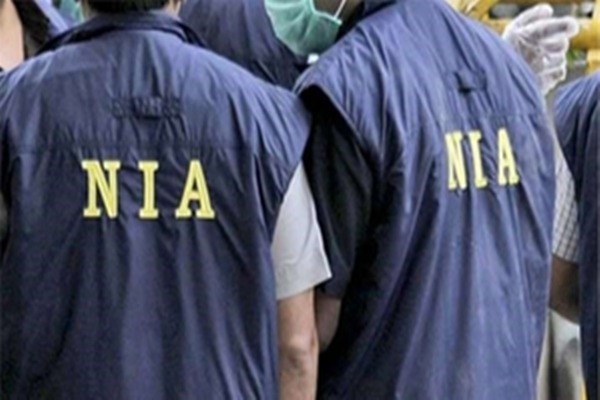
The NIA on Thursday conducted searches at premises linked to three West Bengal-based activists, namely, researcher at Jadavpur University Jhelum Roy, Revolutionary Students' Front (RSF) general secretary Tathagata Roy Chowdhury, and Sangrami Krishak Manch (SKM) organiser Sukumar Kayal, in connection with a 2022 Ranchi case related to the alleged revival of Maoist activities in eastern India.
The searches were carried out at locations in Kolkata and Nadia district as part of an ongoing investigation under the Unlawful Activities (Prevention) Act (UAPA) and provisions of the Indian Penal Code. According to reports, NIA teams began conducting searches early in the morning and examined residences and premises associated with the three individuals.
Jhelum Roy is a researcher and member of the organisation Feminists in Resistance. Tathagata Roy Chowdhury serves as the general secretary of the student organisation RSF, while Sukumar Kayal is a government school teacher and an organiser of the agrarian group Sangrami Krishak Manch.
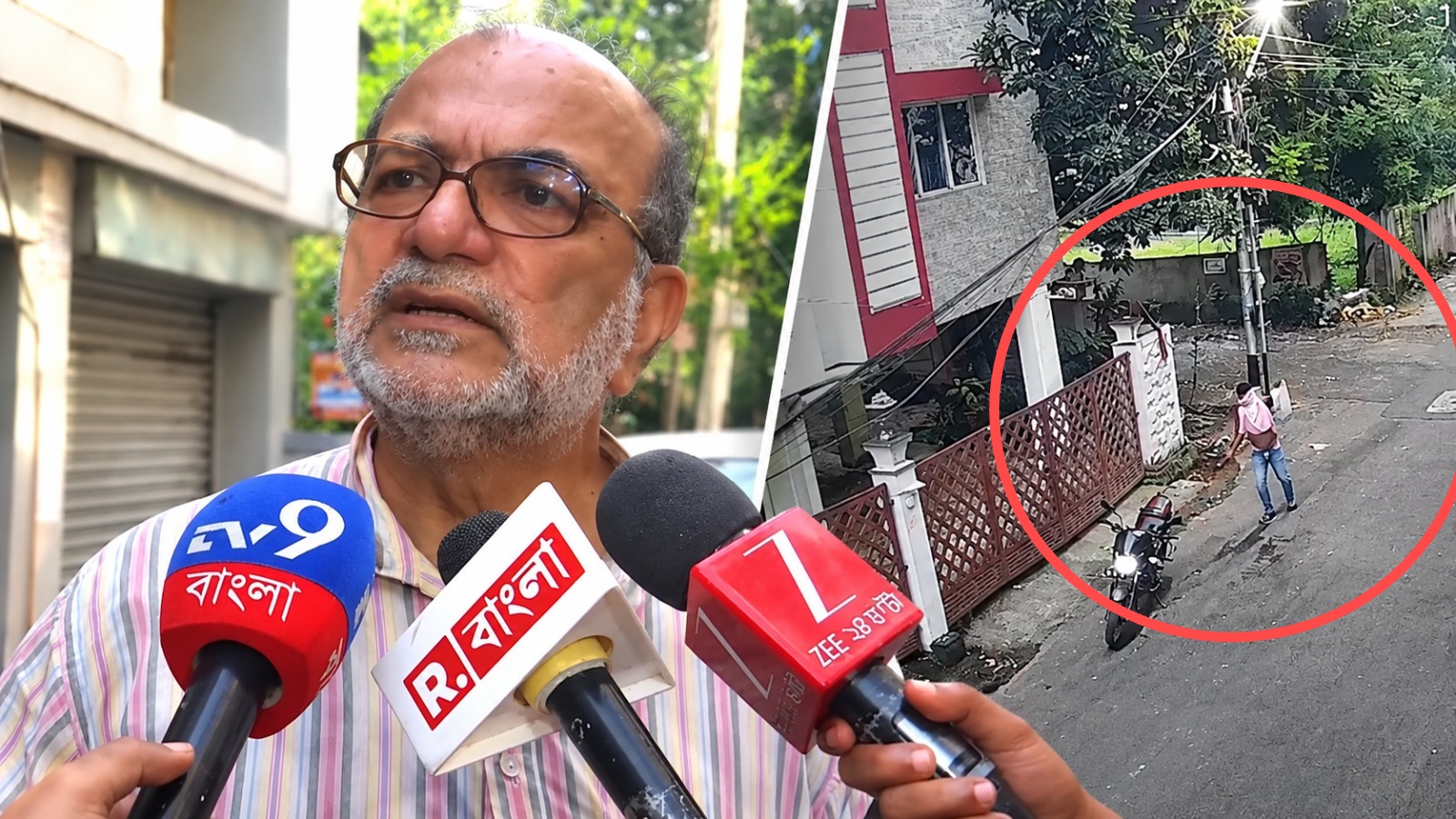
At Jhelum Roy's residence in south Kolkata, a team of NIA officials conducted a search that lasted several hours. Another team simultaneously searched the residence of Roy Chowdhury in south Kolkata. In Nadia district, investigators also questioned Sukumar Kayal in connection with the case.
The activists claimed that investigators seized books, magazines, pamphlets and legal documents during the searches. According to a report filed by The Wire, the official seizure list includes, Bengali-language publications, pamphlets related to contemporary political issues and photocopies of legal documents connected to the Ranchi case.
Following the search, Tathagata Roy Chowdhury said he was served with a notice directing him to appear before investigators in Ranchi for further questioning. The NIA has not yet issued a detailed public statement regarding the searches.
Following the operation, the three individuals and several civil liberties organisations criticised the searches and alleged that the action was intended to target dissenting voices. Tathagata Roy Chowdhury described the searches as an attempt to suppress criticism of the government. The Association for Protection of Democratic Rights (APDR) also criticised the operation.