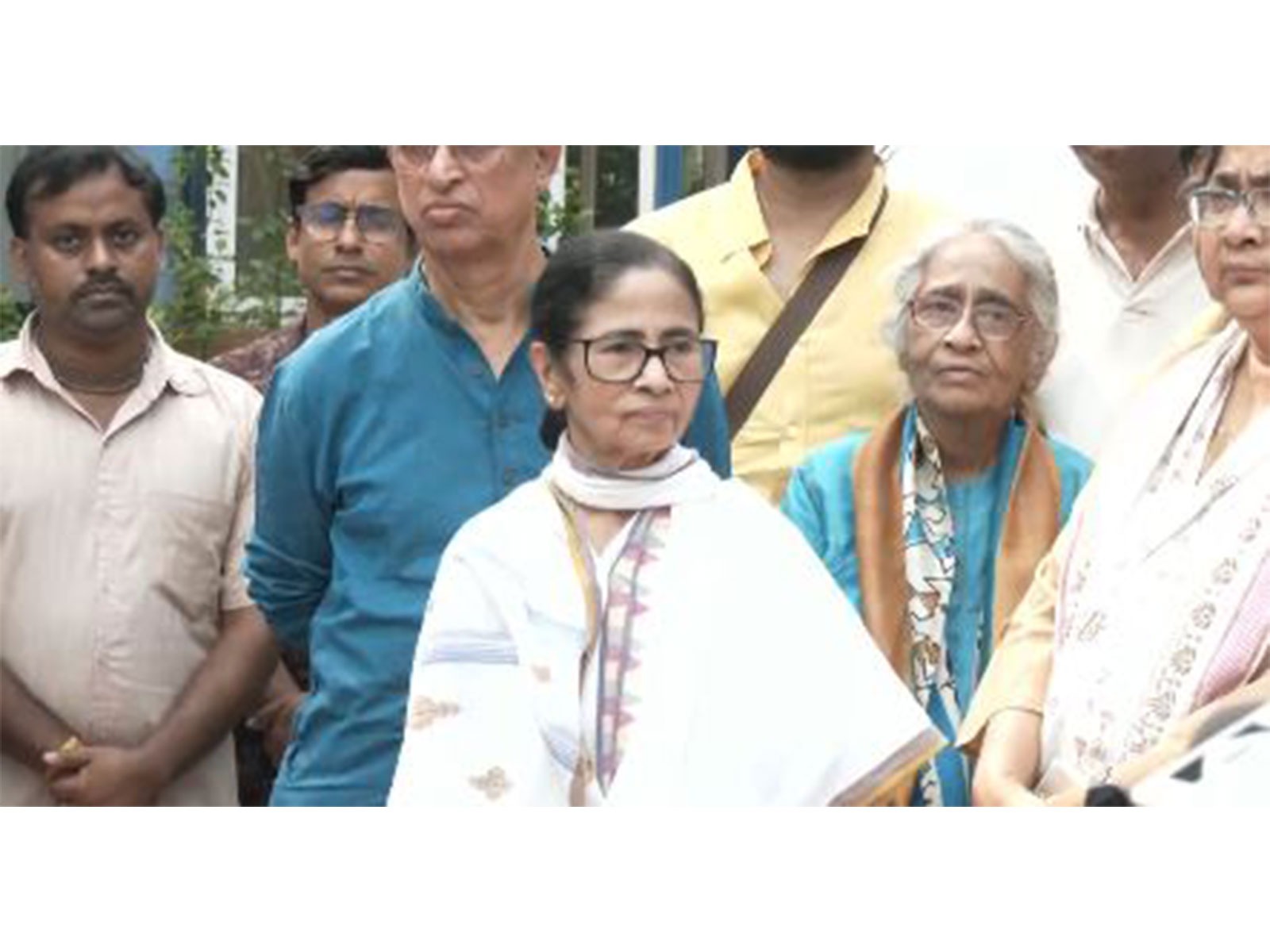

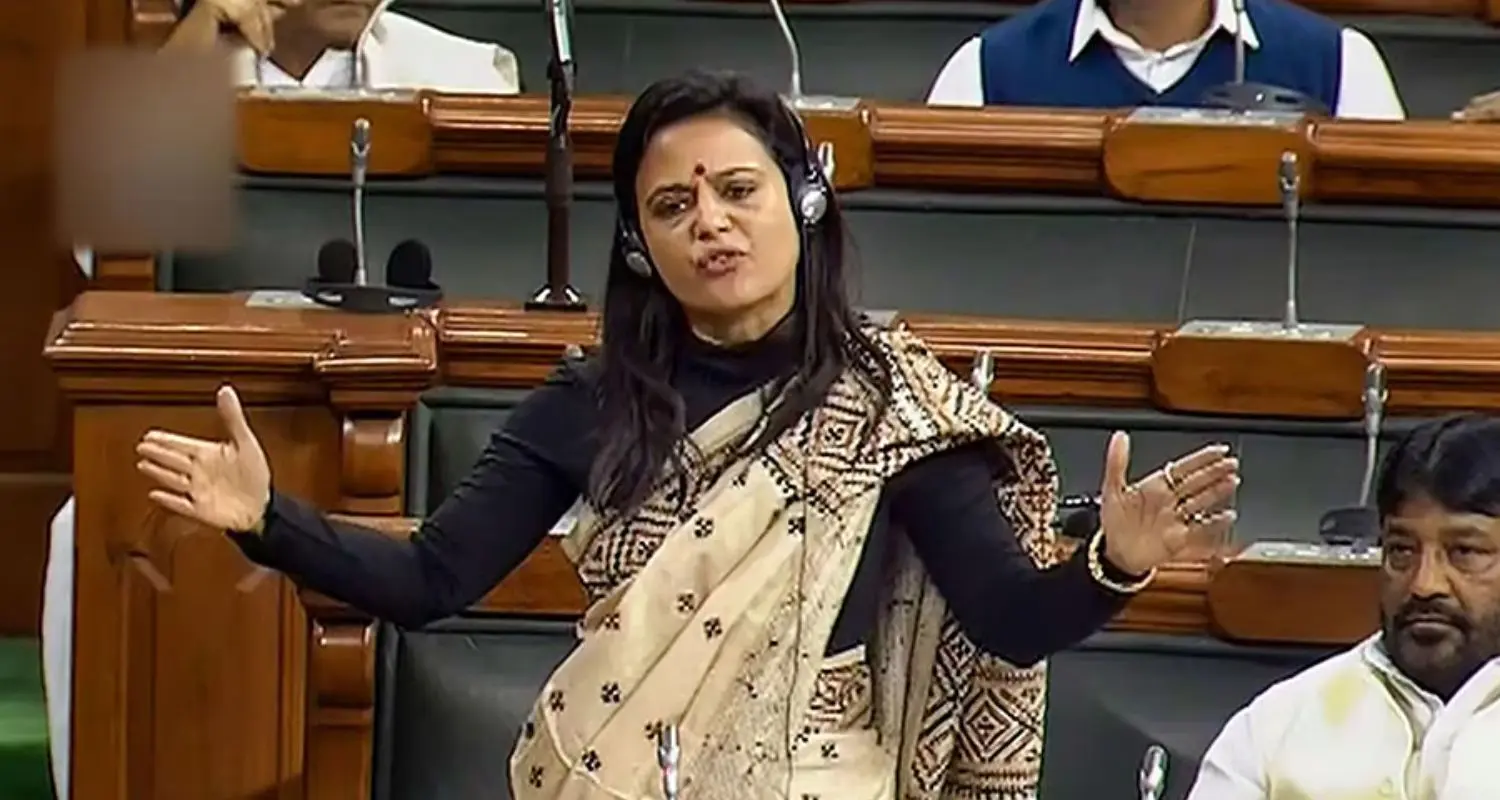
Amid an escalating internal crisis within the Trinamool Congress (TMC), party MP Mahua Moitra has mounted a strong defence of Mamata Banerjee’s leadership, declaring that the “real Trinamool” remains inseparable from its founder and chief, she said in an interview with senior journalist Karan Thapar for The Wire. Her remarks come at a time when dissident leaders and legislators have intensified efforts to project themselves as the legitimate inheritors of the party’s political legacy.
Speaking against the backdrop of growing rebellion within the organisation, Moitra rejected claims by the rebel camp that it represents the “real Trinamool”. Instead, she asserted that the party’s identity is intrinsically linked to Mamata Banerjee, who founded the organisation and led it from a fledgling regional force to one of India’s most influential opposition parties.
“The real Trinamool is Mamata Banerjee,” Moitra said, reiterating that the party’s electoral strength, organisational structure and political relevance have all been built around Banerjee’s leadership. According to Moitra, attempts by dissident leaders to appropriate the party’s identity ignore the political mandate that voters associated with the Trinamool Congress and its founder.
Her intervention comes as the Trinamool grapples with one of the most serious internal challenges in its history. In recent weeks, a section of party legislators and MPs have openly questioned the existing leadership structure, while expelled leader Ritabrata Banerjee and other dissidents have sought to establish an alternative political centre within the organisation. The developments have fuelled speculation about a formal split and triggered an intense battle over the party’s future direction.
Moitra dismissed the dissidents’ claims of legitimacy, arguing that leaders who were elected on the Trinamool symbol and on the strength of Mamata Banerjee’s popularity cannot now seek to separate themselves from that mandate. Earlier, she had accused defectors of benefiting from anti-BJP votes mobilised under Banerjee’s leadership and challenged them to seek a fresh mandate from voters if they believed they possessed an independent political base.
The Krishnanagar MP also sought to project confidence about the party’s future despite the current turbulence. She maintained that reports of the Trinamool’s collapse were exaggerated and suggested that the organisation would emerge stronger after a period of restructuring and introspection. Her remarks echo the party leadership’s recent efforts to reorganise its structure following electoral setbacks and internal dissent.
The Trinamool leadership has already initiated sweeping organisational changes, including the dissolution of various party committees and the announcement of a comprehensive review process. The move has been widely interpreted as an attempt to regain control over the organisation and address grievances that surfaced after the party’s electoral defeat in West Bengal.
As the battle for control of the Trinamool continues, the contest is increasingly being framed not merely as a struggle between rival factions but as a larger fight over the party’s political legacy. For Mahua Moitra and other loyalists, that legacy remains embodied in a single figure — Mamata Banerjee.