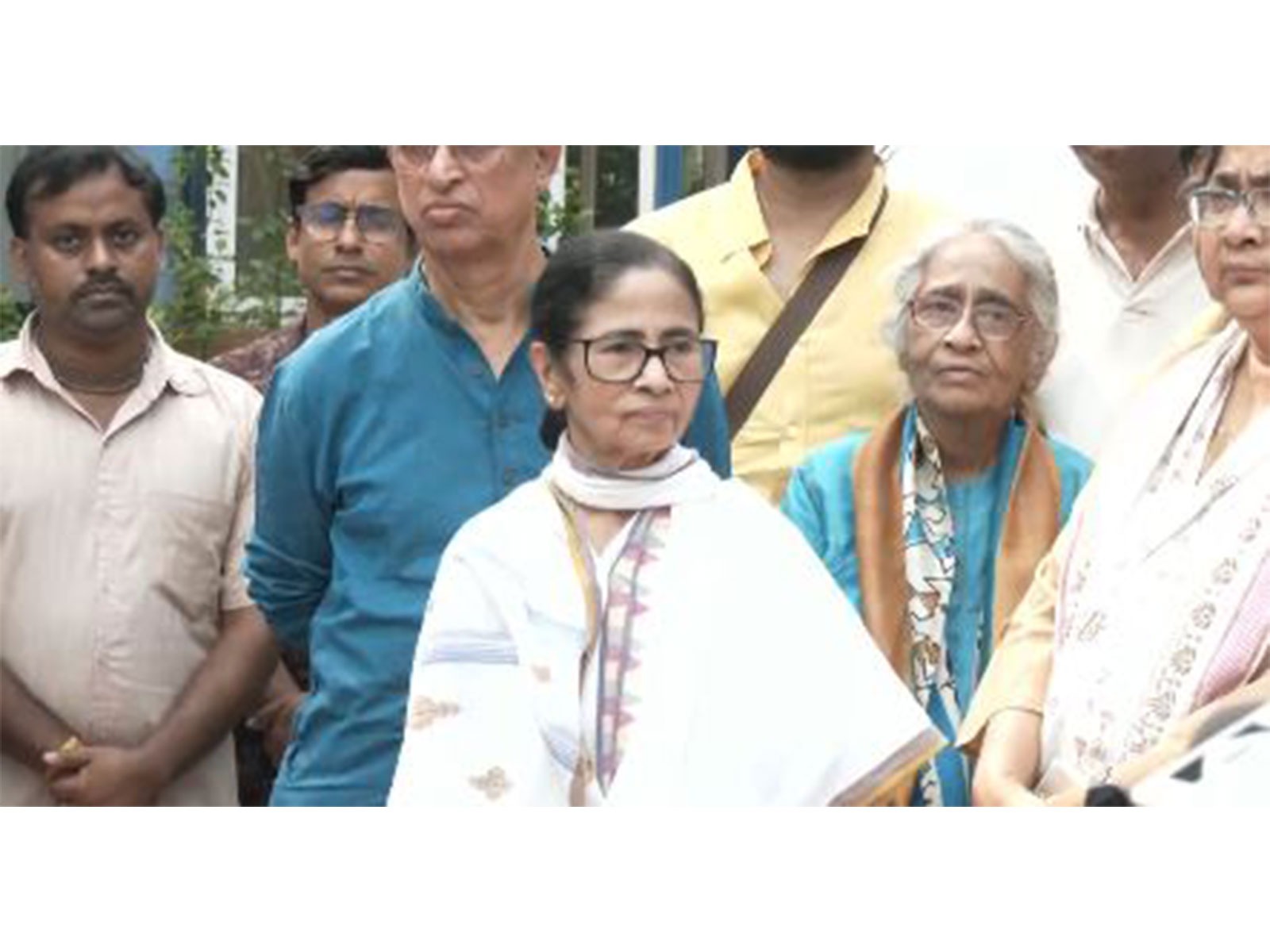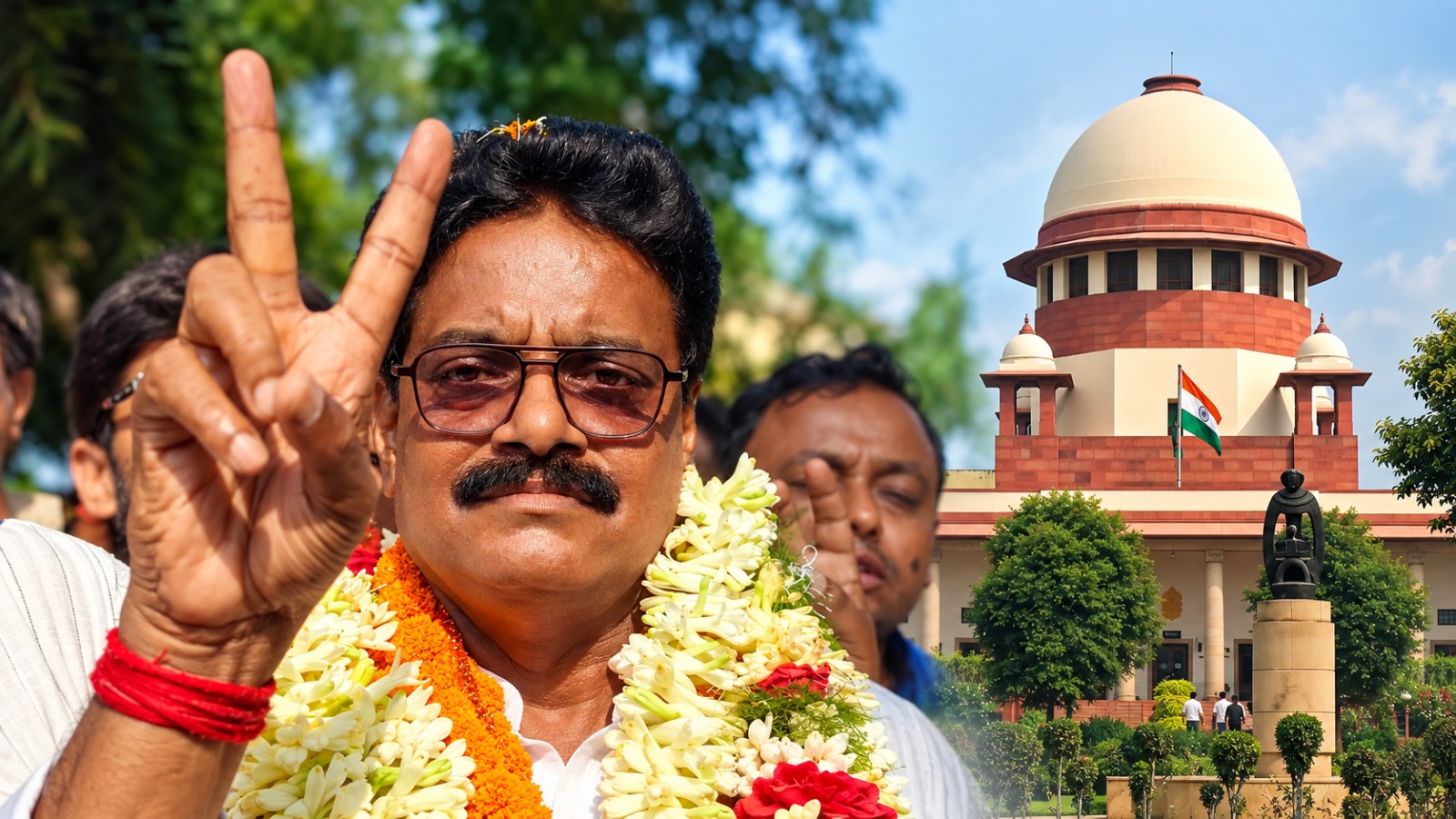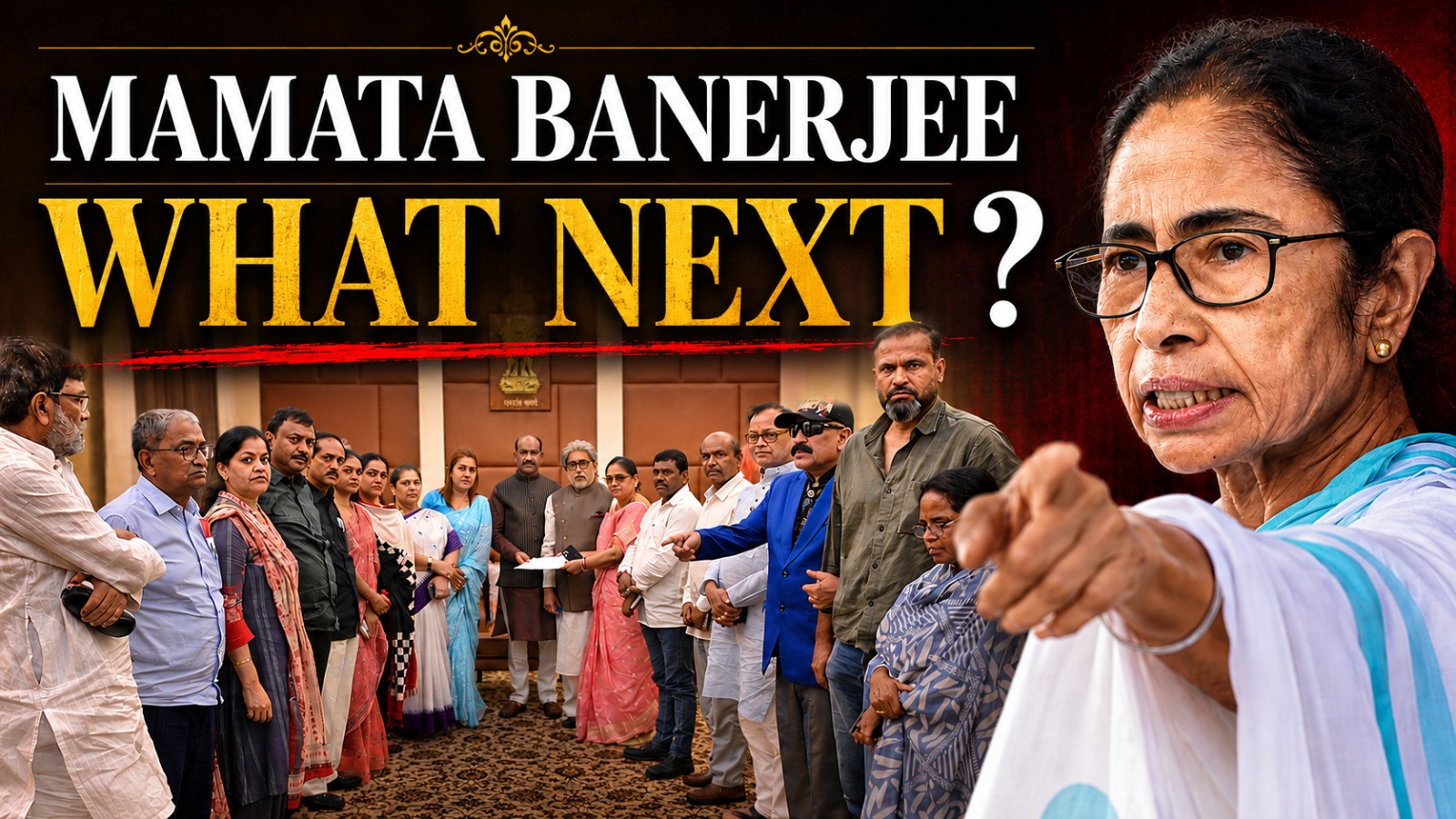
The dramatic exit of nearly 20 Trinamool Congress (TMC) Lok Sabha MPs, who have secured recognition as a separate bloc and merged with the Nationalist Citizens Party of India (NCPI) to back the NDA, has thrust Mamata Banerjee into one of the most severe crises since she founded the party in 1998. With the TMC’s Lok Sabha strength slashed and internal dissent spilling over from the recent assembly polls, the veteran leader faces a complex mix of immediate parliamentary, organisational, legal, and political challenges.
Legal and Organisational Battles Ahead
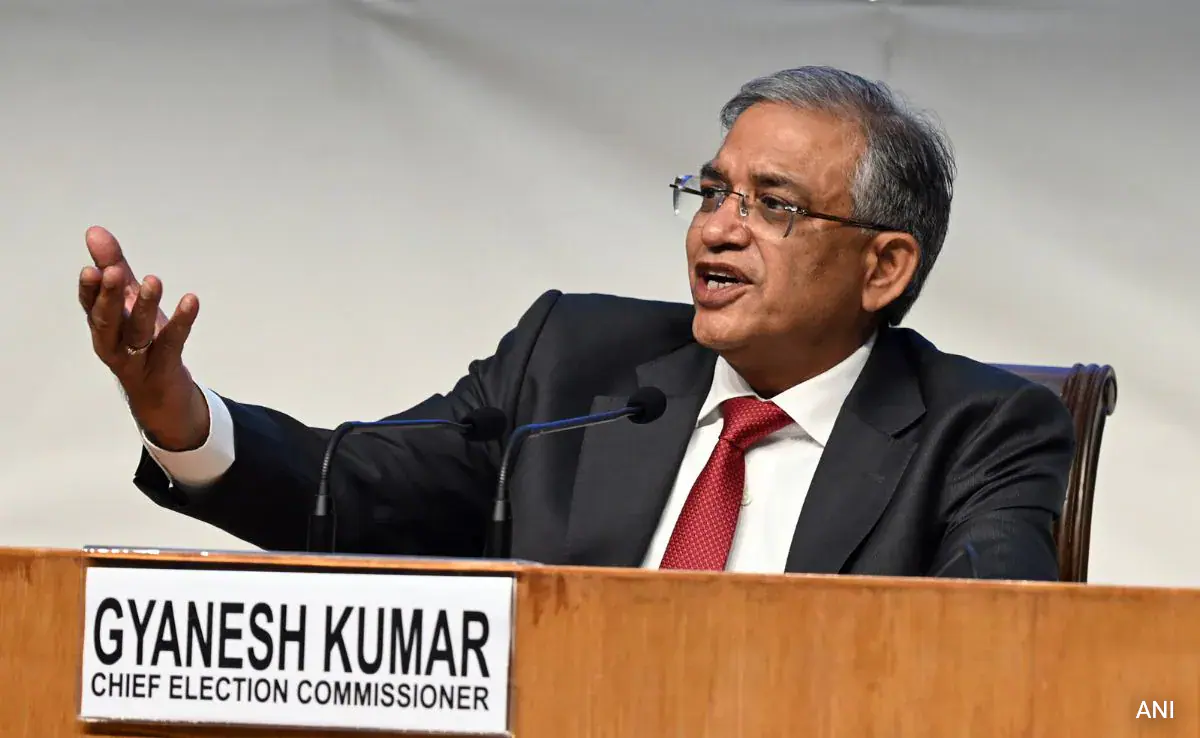
A key flashpoint will likely be the fight over the party name and election symbol. Under the Election Commission of India’s (ECI) Symbols Order, disputes are resolved primarily on the basis of majority support in the legislative wing, organisational strength, and other factors like voter recognition. In the 2022-23 Shiv Sena split, the ECI awarded the original party name and “bow and arrow” symbol to the Eknath Shinde faction, which commanded greater legislative support in Maharashtra, leaving Uddhav Thackeray’s group to adopt a new name and symbol (torch). The matter remains under Supreme Court scrutiny.
Similarly, in the 2023 NCP split, the ECI recognised Ajit Pawar’s faction as the real Nationalist Congress Party and allotted it the “wall clock” symbol, citing legislative majority, forcing Sharad Pawar’s group to contest as NCP (SP).
In TMC’s case, the rebels claim more than two-thirds of the Lok Sabha MPs (out of 28 seats), which could give them a strong argument before the ECI if the dispute escalates. However, Mamata Banerjee retains overwhelming control over the organisational structure, state-level committees, and the vast majority of grassroots workers and few MLAs who have not defected en masse. Legal experts note that while the rebels may avoid immediate disqualification through the merger route (exempt under the Tenth Schedule’s two-thirds provision for party mergers), Mamata’s camp is likely to argue before the ECI and courts that numerical strength in Parliament alone cannot override the founder’s organisational dominance. A prolonged legal battle is almost certain.
Mamata is unlikely to “lose” the party she built outright in the immediate term, but a parallel TMC faction with the original name and symbol would severely dilute her brand and resources.
Options for Mamata Banerjee
Several paths lie before the TMC supremo:
1. Consolidation and Purge: Focus on loyalists by restructuring the party organisation further, expelling vocal rebels where possible, and rebuilding from the cadre level. Mamata has already initiated some organisational changes, replacing certain frontal wing heads with trusted figures. This “back to basics” approach echoes her street-fighter days but risks further alienation if grievances over governance and family dominance (particularly Abhishek Banerjee’s role) remain unaddressed.
2. Alliance Building: Speculation is rife about a possible rapprochement or even merger with the Congress. Some Congress leaders have publicly suggested this as a survival route for TMC workers. While ideologically plausible as an anti-BJP front, past acrimony between Mamata and the Gandhis makes it a difficult pill to swallow. It could, however, provide organisational muscle and national visibility.
3. Street Fight: Return to her core strength - street protests and direct outreach. Analysts point to events like the upcoming Martyrs’ Day rally on July 21 as a potential platform to re-energise supporters and project herself as the victim of a larger conspiracy. This could help regain narrative control in West Bengal ahead of future elections.
4. Legal and Political Counter-Offensive: Challenge the Speaker’s decision on separate seating, pursue disqualification proceedings (though difficult due to numbers), and highlight the rebels’ move as opportunistic. Abhishek Banerjee’s letter to the Speaker already lays the groundwork by asserting the party’s indivisibility.
Parallels with Shiv Sena and NCP - How Similar?
The TMC situation mirrors Maharashtra’s splits in tactics: rebels using legislative strength to claim legitimacy while the original leadership banks on organisational loyalty and founder’s legacy. However, differences exist. Unlike Shiv Sena and NCP, where splits occurred in ruling or recently powerful setups with clearer legislative majorities, TMC is in opposition after a major electoral defeat. This may tilt ECI considerations towards organisational tests more favourably for Mamata, as emphasised in some Supreme Court observations on similar disputes.
The rebels’ merger with a smaller party like NCPI is a tactical innovation to bypass direct defection scrutiny, but it also weakens their claim to being the “real” TMC compared to outright splits in other cases. For Mamata Banerjee, the coming weeks will test her legendary resilience. Retaining control of the organisational TMC while fighting for its identity in courts and the ECI appears the most immediate priority. Success will depend on stemming further defections in the assembly and Rajya Sabha, addressing internal complaints about dynastic tendencies, and crafting a compelling opposition narrative. Failure to act decisively could see the party she founded in 1998 fragment further, reshaping West Bengal politics for years. Political observers agree this is far from over - a full-blown ECI dispute and possible Supreme Court intervention are highly probable. The crisis underscores a broader truth in Indian politics: in an era of fluid loyalties, organisational depth and mass connect often prove more enduring than parliamentary numbers alone. Mamata’s next moves will determine whether TMC survives as a formidable force or becomes another cautionary tale of internal implosion.