Following the detection of widespread food safety violations during inspections across Maharashtra, the Food and Drug Administration (FDA) has introduced stringent regulations for the state's milk supply chain, making compliance mandatory for everyone involved in the production, transportation, processing and sale of milk and dairy products.
The decision comes after FDA inspections and laboratory testing revealed several violations, including milk adulteration, synthetic milk production, poor hygiene, improper storage and transportation practices, misleading labelling and the operation of unlicensed businesses.
Officials also found instances where milk was diluted with water, synthetic milk prepared using chemicals such as urea, detergents, caustic soda, starch, glucose, hydrogen peroxide, formalin and melamine was sold as genuine milk, while old or spoiled milk was allegedly mixed with fresh milk before being supplied to consumers.
The inspections further detected antibiotic residues beyond permissible limits and repeated breaches of cold-chain requirements.
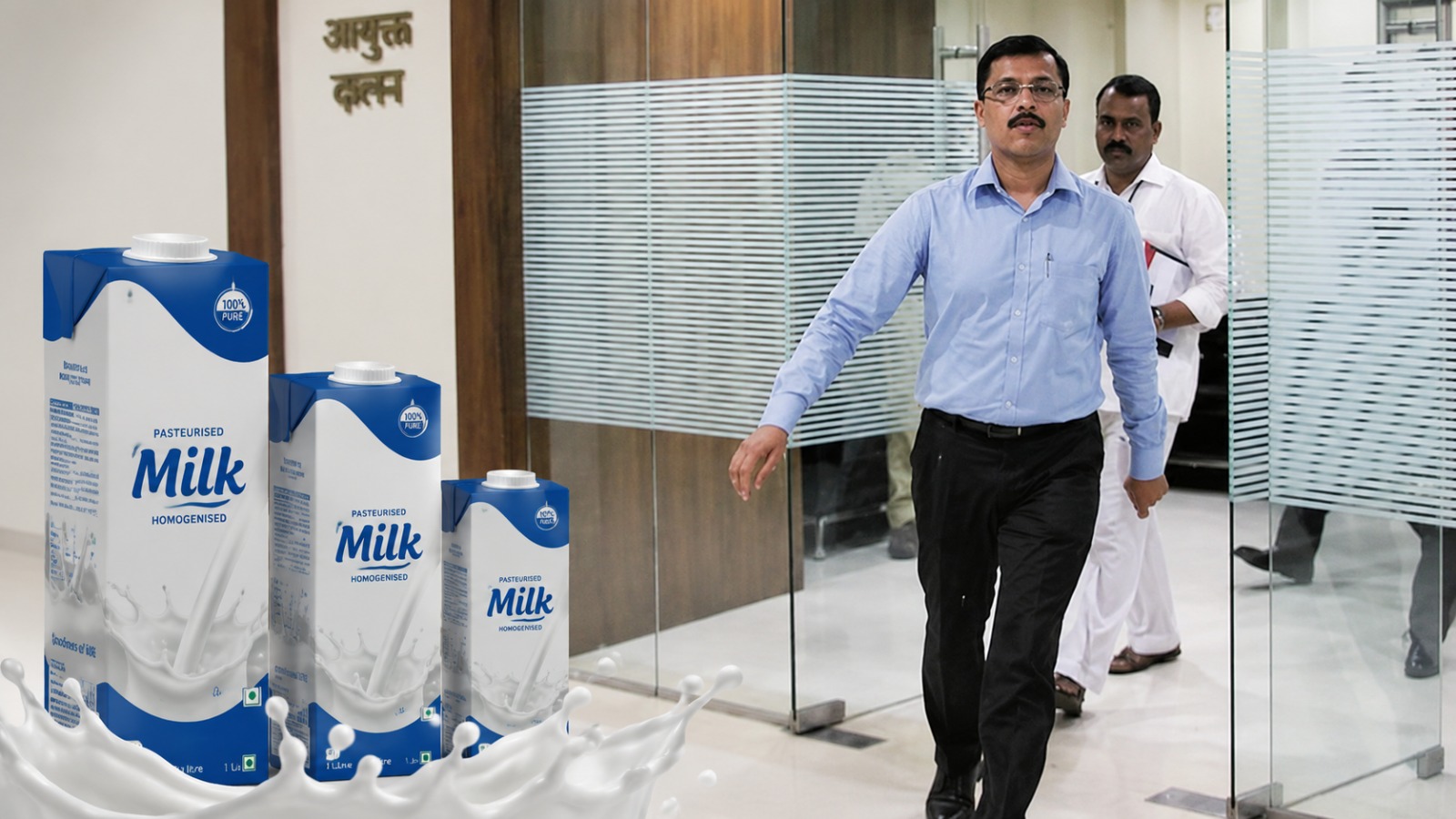
Food Safety Commissioner Tukaram Mundhe said, "Milk is not merely a food product; it is a nutritional foundation for millions of children, mothers, patients and senior citizens. Adulterating milk amounts to playing with public health.
Such practices will not be tolerated in Maharashtra. Safe, pure and adulteration-free milk must reach every citizen, and the Food and Drug Administration will use every legal provision available to ensure strict enforcement.”
“Necessary prosecution and legal action will be initiated against violators. There will be no compromise when it comes to protecting public health”, Mundhe stated.
Under the revised regulations, all milk businesses must maintain traceability records, ensure proper cold-chain management, use food-grade equipment and implement Food Safety Management Systems (FSMS). Food handlers will be required to undergo annual medical fitness checks, while businesses must appoint FoSTaC-trained supervisors.
The FDA has also introduced separate norms for raw and pasteurised milk. Raw milk containers must be labelled "RAW MILK" along with a warning advising consumers to boil it before consumption, while pasteurised milk can only be sold in sealed, labelled and tamper-evident packaging.
The state has adopted a zero-tolerance policy against milk adulteration, with enforcement extending across the entire supply chain from producers and collection centres to processors, transporters and retailers. Repeat offenders and high-risk businesses will face enhanced surveillance and stricter action.
The FDA will also conduct special inspection drives during Ganeshotsav, Diwali, Holi, Navratri and Raksha Bandhan, when demand for dairy products peaks. Consumers have been advised to purchase only sealed and labelled milk products, boil raw milk before use, and report suspected adulteration or unauthorised sales through the FDA helpline or the FoSCoS mobile application.