
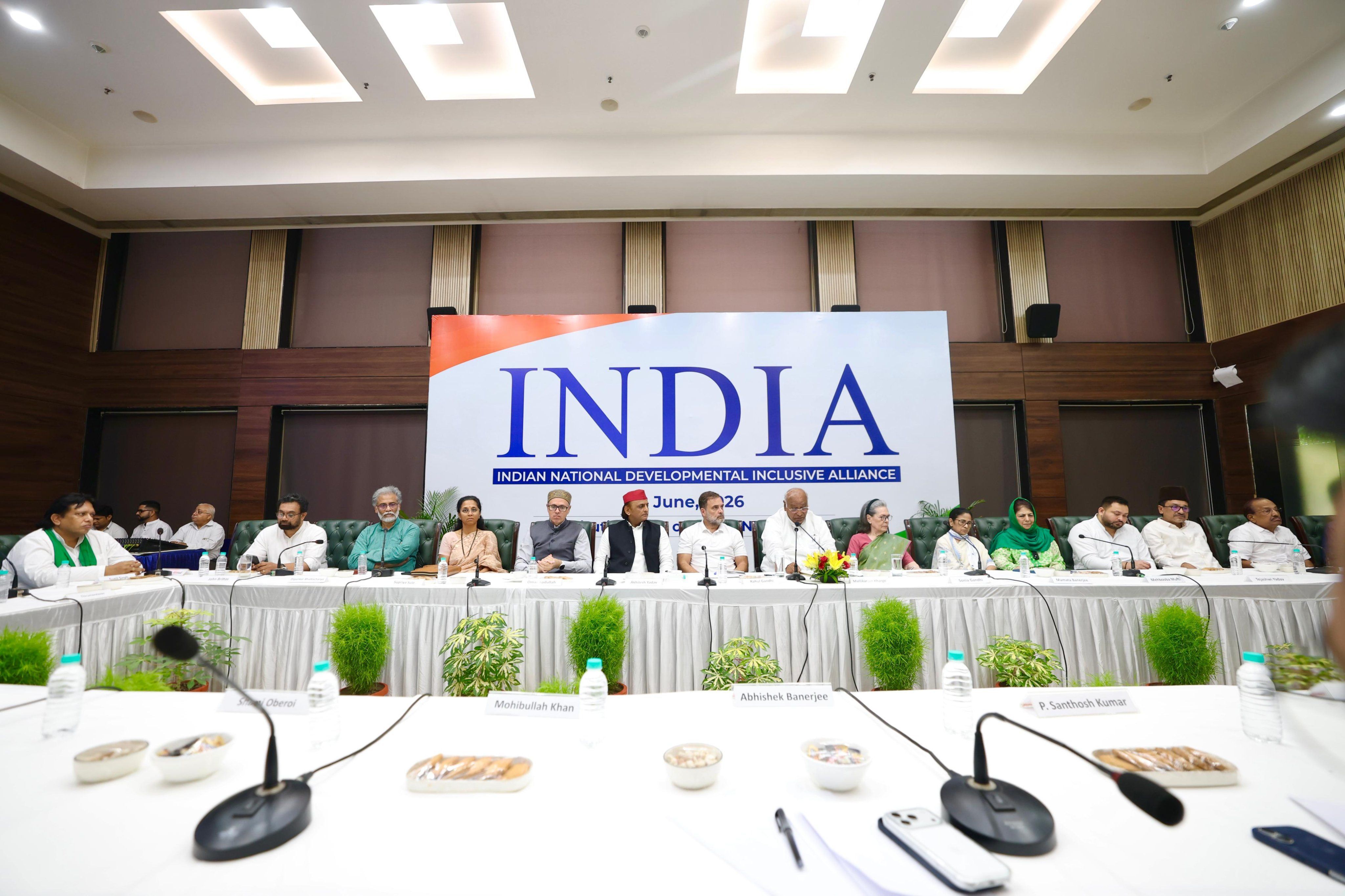
The INDIA bloc is set to meet in New Delhi on September 30 to chalk out its strategy for a removal motion against Chief Election Commissioner Gyanesh Kumar, with Opposition parties likely to begin collecting signatures for the proposed motion.
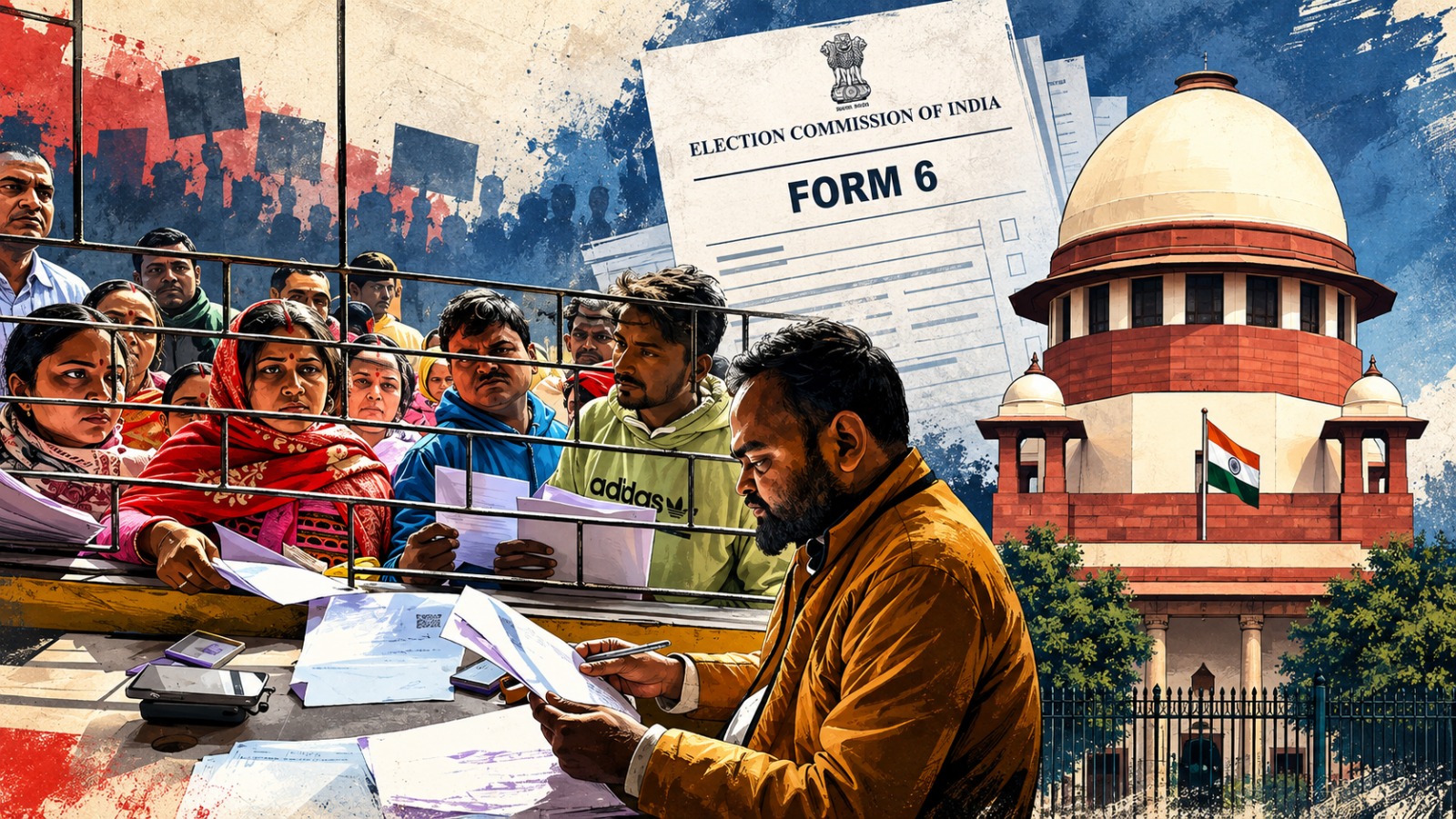
The meeting will be held at the Constitution Club of India, amid a growing political row over the Election Commission's functioning and its handling of the Special Intensive Revision (SIR) of electoral rolls. The move follows a report by The Indian Express that the two other Election Commissioners, Sukhbir Singh Sandhu and Vivek Joshi, had recorded objections to decisions concerning the SIR and other matters on 14 occasions over 10 months.
Opposition parties are expected to use the meeting to discuss three key issues: the removal motion in Parliament, demands for Kumar's resignation and an independent probe into the EC's decisions, and a roadmap for nationwide protests.
According to reports, the September 30 meeting was proposed after Trinamool Congress chief Mamata Banerjee spoke with Congress leader Rahul Gandhi and CPI(M) general secretary MA Baby, according to sources. The development also brings the TMC and CPI(M) together on the issue, despite their long-standing rivalry in West Bengal.
Congress leaders Rahul Gandhi, Sonia Gandhi and Mallikarjun Kharge, along with Mamata Banerjee, Abhishek Banerjee, Samajwadi Party chief Akhilesh Yadav and Shiv Sena (UBT) chief Uddhav Thackeray are among those expected to attend.
The Congress Working Committee is scheduled to meet on September 29, a day before the INDIA bloc meeting, to discuss the party's strategy. The CPI(M), CPI and CPI(ML)-Liberation have already demanded Gyanesh Kumar's removal and called for an immediate halt to the SIR. CPI(ML)-Liberation general secretary Dipankar Bhattacharya said the September 30 meeting should extend beyond the INDIA bloc.
The BJP has rejected the Opposition's allegations that the SIR is being conducted to benefit the ruling party, describing them as attempts to divert attention from electoral defeats.
The Election Commission has maintained that differences of opinion are part of institutional deliberations and that its decisions comply with statutory procedures. It has also reiterated that all final decisions on the SIR were approved unanimously by the three commissioners.