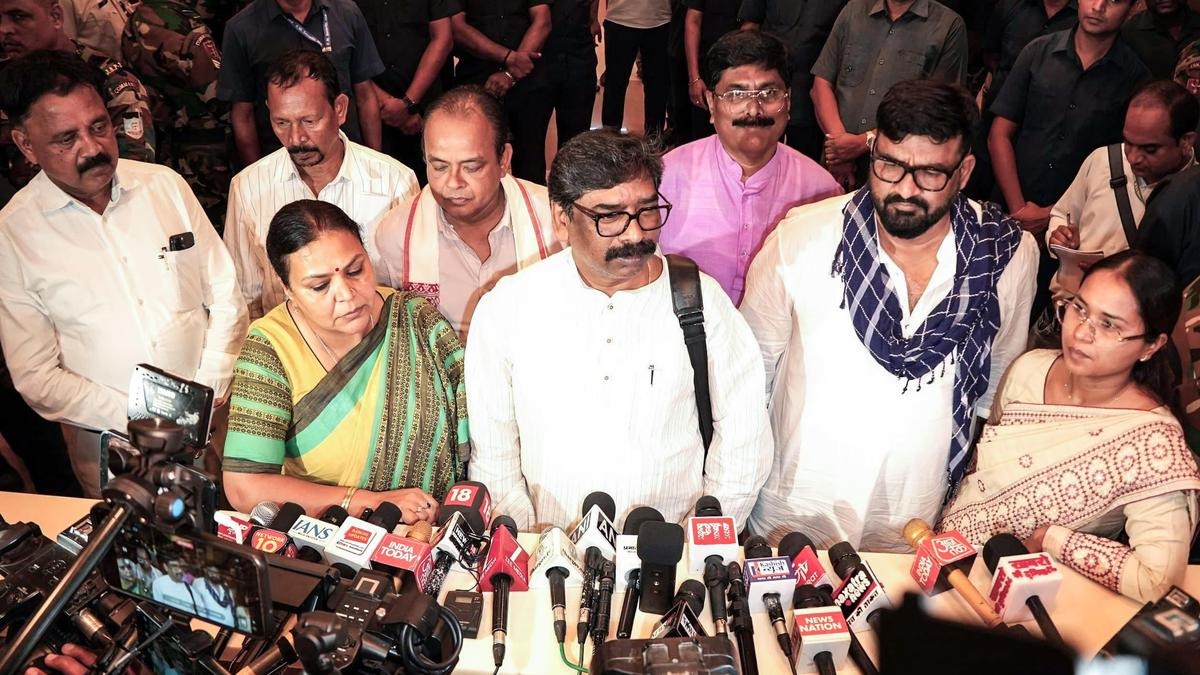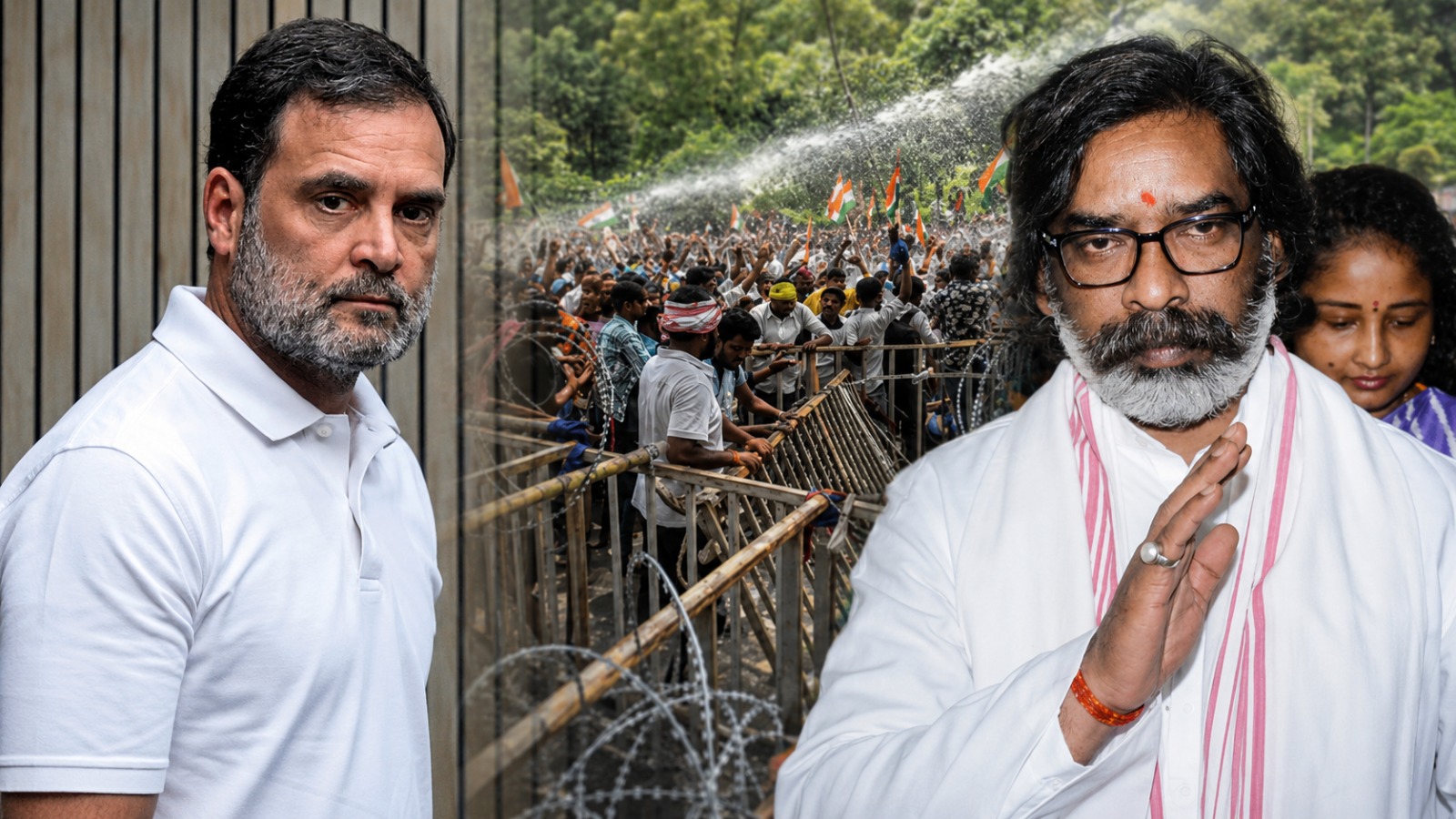
Jharkhand Chief Minister Hemant Soren on Tuesday broke his silence for the first time on the ongoing student agitation in the state capital, declaring that “Once we set our sights on something, we don't stop until it's done” and that the government is “pursuing the matter very seriously and also with sensitivity.” Speaking to reporters, Soren emphasised that “The government has eyes and ears; it is sensitive to the issue,” adding that authorities remain fully aware of the concerns raised by the youth.
He further stated that “The investigation team is working day and night. We are waiting for its answer and a conclusion. Very soon we will make the students and the people of the state aware about it.” Assuring the agitators of support, the Chief Minister said, “All the necessities of the students will be met, and they will get justice. The government is taking this matter very seriously.” The remarks came amid sustained pressure from job aspirants who have turned Jaipal Singh Munda Stadium into the focal point of their protest.
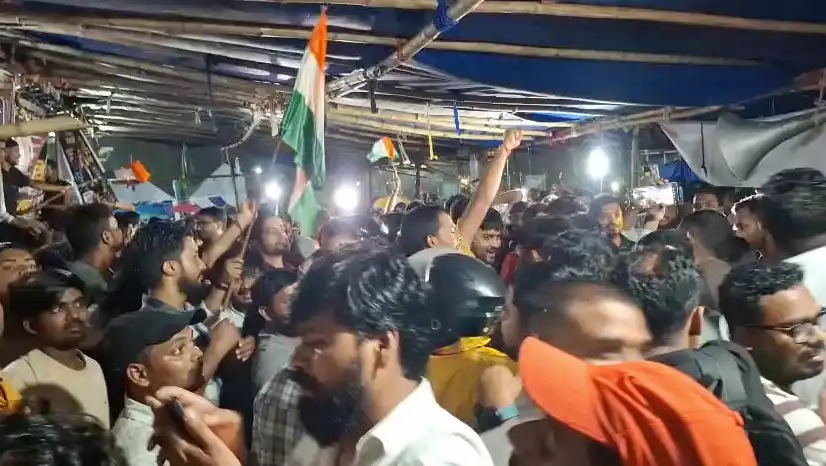
The agitation, which began towards the end of July and has stretched into its second week, centres on alleged irregularities in recruitment examinations conducted by the Jharkhand Public Service Commission (JPSC) and the Jharkhand Staff Selection Commission (JSSC). Protesters, largely young job seekers from across the state, have accused the bodies of paper leaks, compromised OMR sheets, and broader systemic flaws that they say have undermined the fairness of processes such as the 14th JPSC Combined Civil Services Preliminary Examination and the JSSC Combined Graduate Level test. Many claim these issues have repeatedly dashed the hopes of genuine candidates and eroded trust in the state’s hiring system.
Key demands include the cancellation of the disputed preliminary examination, a Central Bureau of Investigation (CBI) probe into alleged malpractices spanning recent years, blacklisting of private agencies linked to the tests (including one under scrutiny for irregularities), greater transparency through release of answer sheets and cut-offs, and comprehensive reforms in the recruitment commissions. The sit-in has drawn participants from multiple districts, with supporters sending supplies and political voices from various sides amplifying the call for accountability. The Crime Investigation Department (CID) of Jharkhand Police has already made several arrests, questioned former officials, and conducted raids as part of its ongoing inquiry; the JPSC also postponed the mains examination scheduled for late July citing unavoidable circumstances.
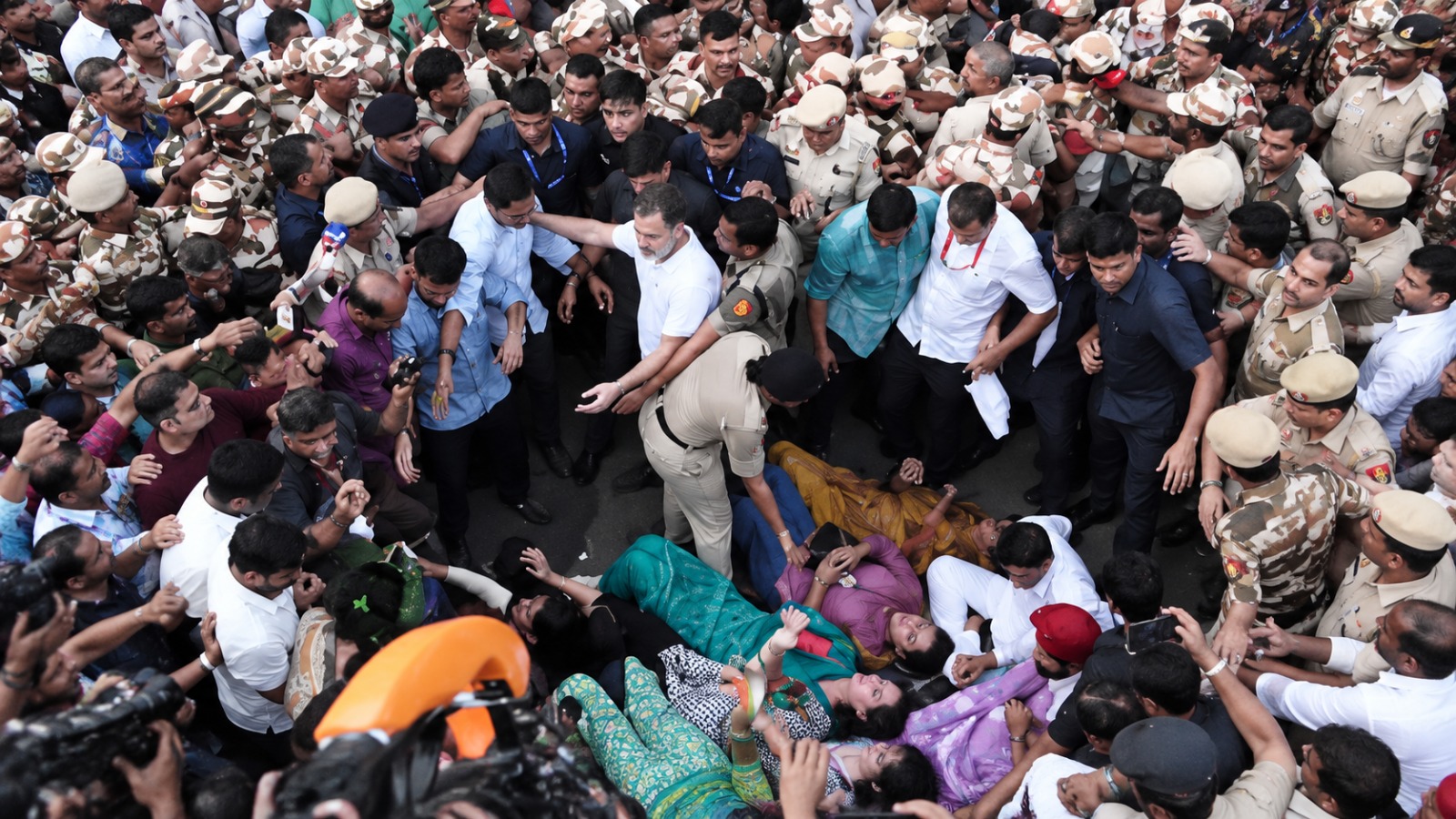
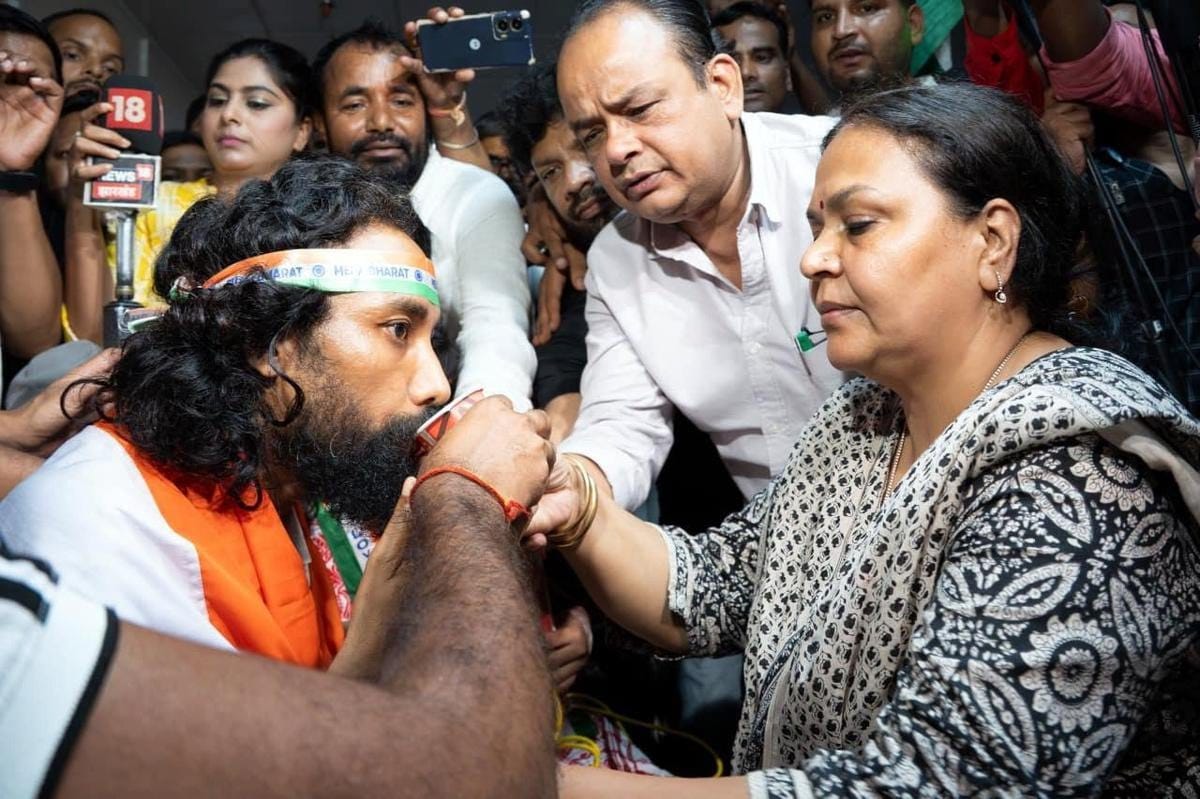
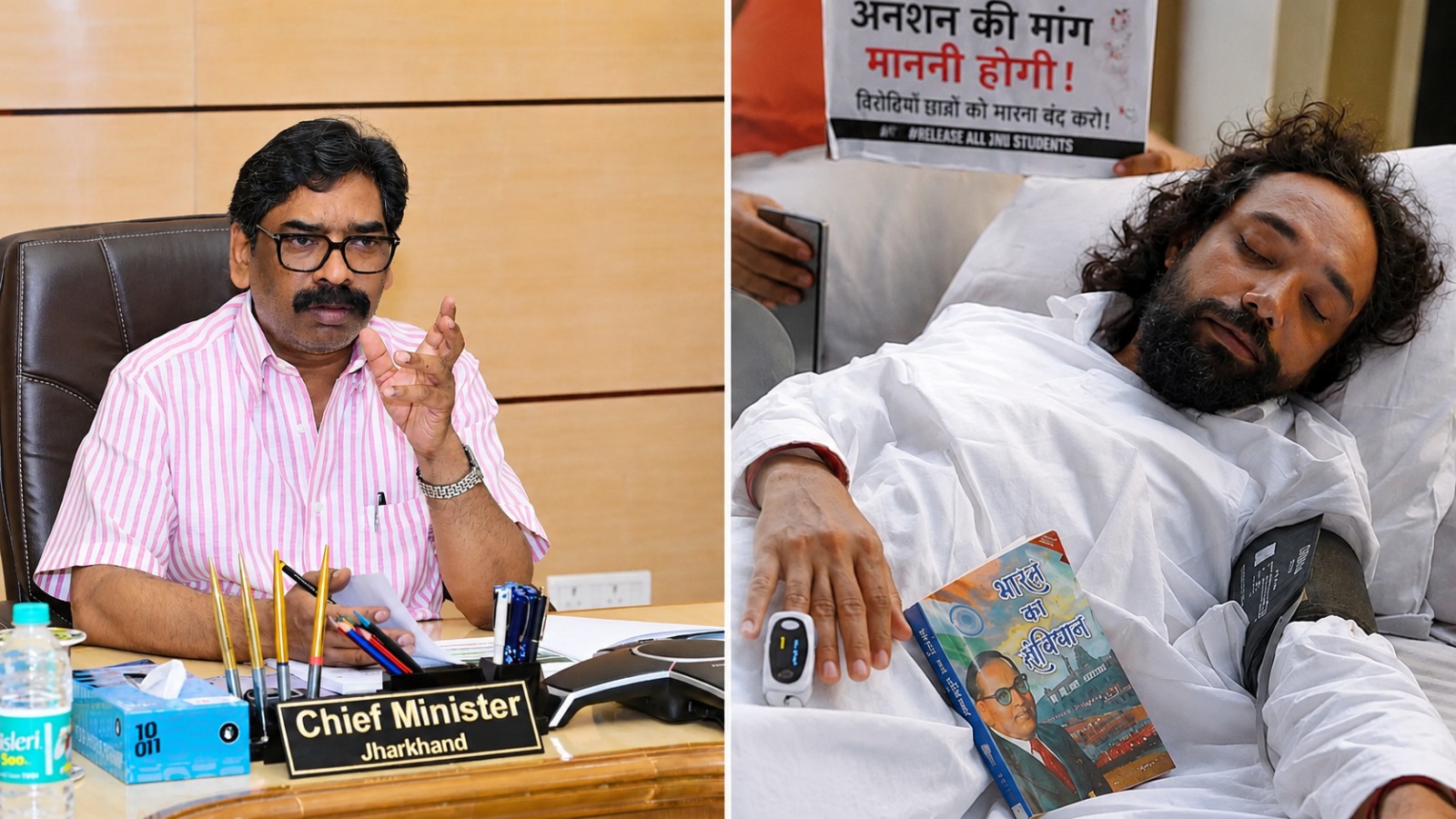
The protest has intensified with hunger strikes. Devendra Nath Mahto, associated with the Jharkhand Loktantrik Krantikari Morcha, began an indefinite fast at the stadium and later ended a water-only phase after an appeal from climate activist Sonam Wangchuk via video call, while continuing the hunger strike. Additional students, including women protesters, have joined similar fasts in recent days, vowing to escalate until their core demands—particularly an independent central investigation—are met. Groups have announced further programmes, including marches towards the state Assembly in the coming days.
Soren’s comments, delivered while he was attending events linked to the first death anniversary of his father, Shibu Soren, mark the government’s most direct public response so far. He indicated that decisions would follow the investigation’s findings and would remain within constitutional and legal bounds, while stressing that the administration’s doors remain open for dialogue. Opposition parties and student organisations have continued to press for a higher-level probe and direct engagement with the Chief Minister, who also holds the education portfolio. As the sit-in persists through rain and logistical challenges, both the protesting aspirants and the state government appear locked in a wait for the investigation’s conclusions and any subsequent policy response.