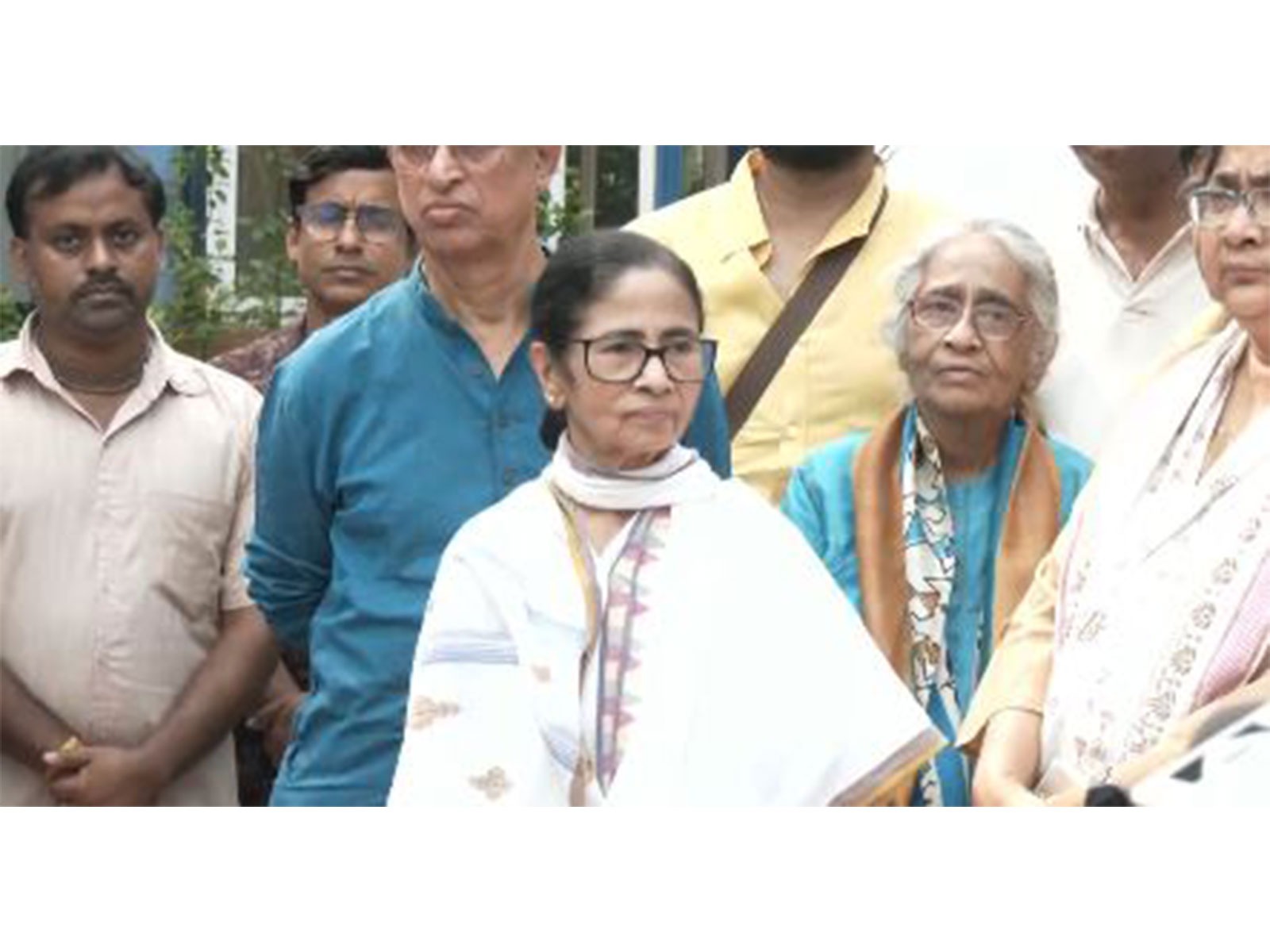

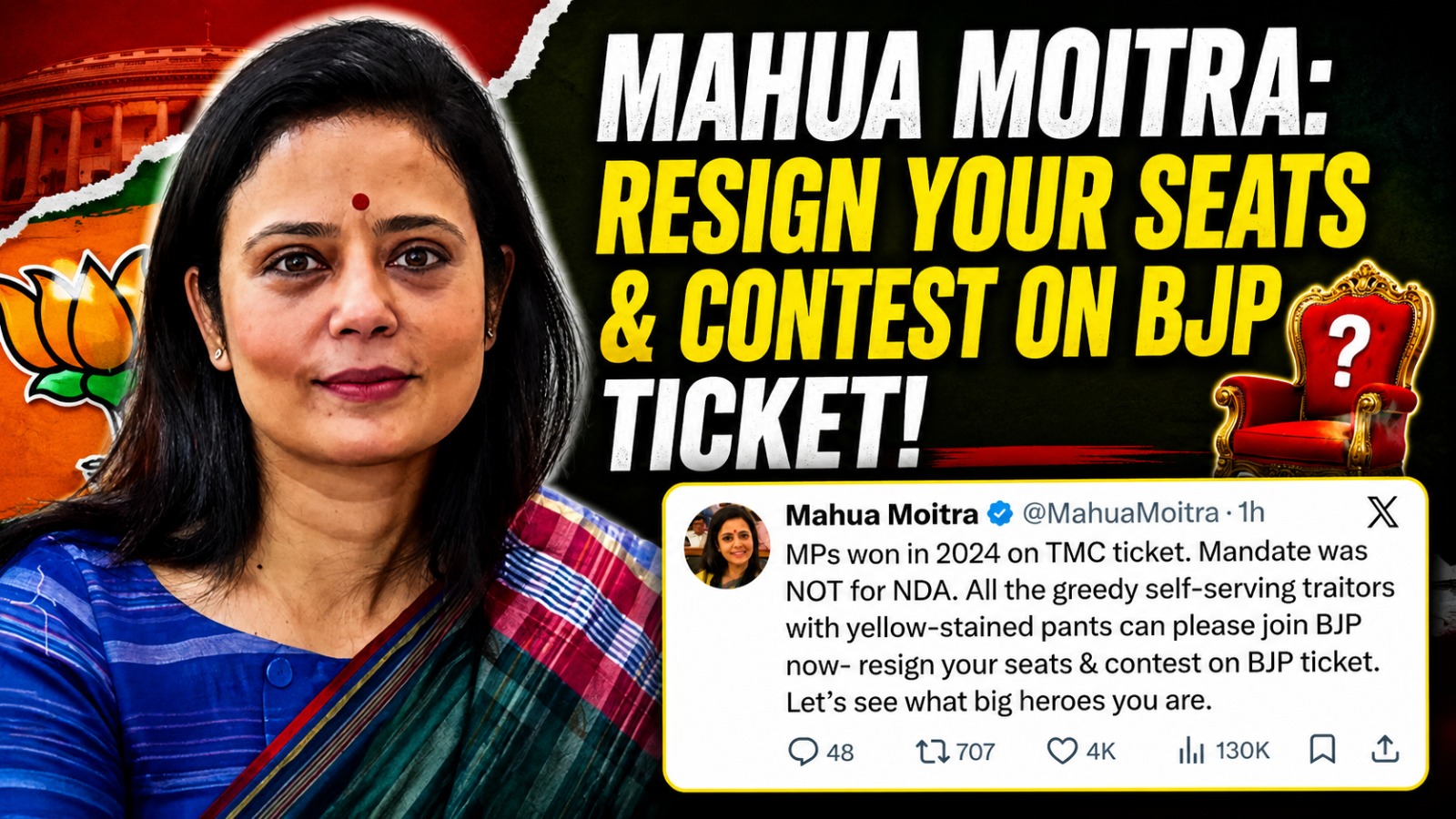
Trinamool Congress (TMC) MP Mahua Moitra has launched a blistering attack on party MPs reportedly exploring a switch to the National Democratic Alliance (NDA), describing them as “greedy” and “self-serving traitors” amid growing speculation over dissent within the ruling party’s parliamentary ranks.
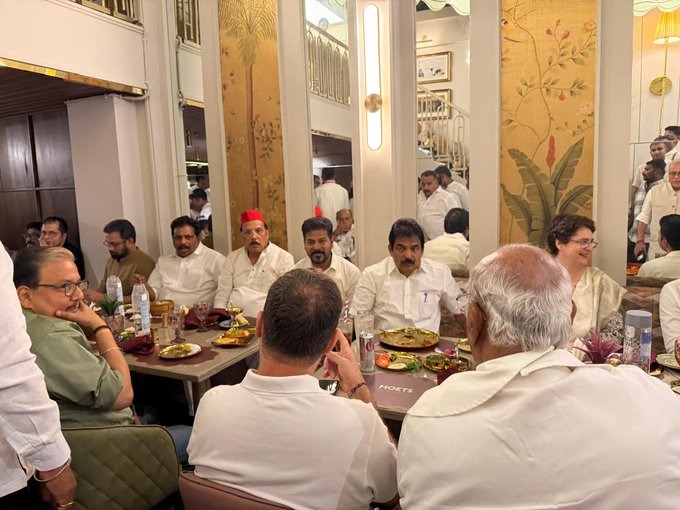
The remarks came against the backdrop of reports that a group of dissident TMC MPs held discussions with senior Bharatiya Janata Party (BJP) leaders in New Delhi. The reported meeting, which has generated significant political debate in both Delhi and Kolkata, has intensified concerns over possible defections from the Trinamool Congress.
Reacting to the developments, Moitra issued one of the strongest responses yet from within the party. Referring to those allegedly considering a move away from the Trinamool, she said that such leaders were motivated by personal ambition rather than public service. In a sharply worded statement, she characterised them as “greedy, self-serving traitors,” signalling the party leadership’s anger over the reported outreach to the BJP.
The controversy erupted after reports surfaced that several rebel TMC MPs met senior BJP leaders, including Union Minister Bhupender Yadav, in Delhi. The reported presence of West Bengal BJP leader Suvendu Adhikari at the discussions added further political significance to the meeting, fuelling speculation that efforts may be underway to bring disgruntled Trinamool leaders into the NDA fold.
While neither the BJP nor the MPs allegedly involved in the discussions have publicly disclosed details of the meeting, the reports have triggered intense debate within political circles. Opposition leaders have viewed the development as evidence of growing dissatisfaction within the Trinamool, while the ruling party has sought to project confidence and unity.
Moitra, however, dismissed suggestions that the reported dissidents represented a serious threat to the party. According to her, the Trinamool’s strength lies with its workers and voters rather than individual leaders seeking political advancement. Her comments appeared aimed not only at the alleged rebels but also at reassuring party supporters amid mounting speculation about a possible split.
The issue comes at a sensitive time for the Trinamool Congress, which has faced questions over internal cohesion following a series of high-profile disagreements and resignations in recent months. Political observers note that tensions within the party have become increasingly visible, with some leaders publicly expressing dissatisfaction over organisational and political decisions.
The reported outreach between rebel MPs and BJP leaders has also sparked discussion over the BJP’s strategy in West Bengal ahead of future electoral contests. The saffron party has repeatedly attempted to expand its footprint in the state by attracting leaders from rival political formations, a strategy that played a significant role in previous election cycles.
For the Trinamool leadership, the challenge now is to contain speculation and maintain unity within its parliamentary wing. Senior party leaders have reportedly been engaged in consultations with MPs and organisational functionaries to prevent further unrest and send a message of stability.
Political analysts believe the coming weeks will be crucial in determining whether the reported meetings represent exploratory political conversations or the beginning of a larger realignment. Until then, the sharp exchange of words between the party leadership and alleged dissidents is likely to keep the issue at the centre of West Bengal’s political discourse.
With Mahua Moitra’s comments setting the tone for the Trinamool’s response, the battle over loyalty, dissent and political survival has once again moved to the forefront of Bengal politics.