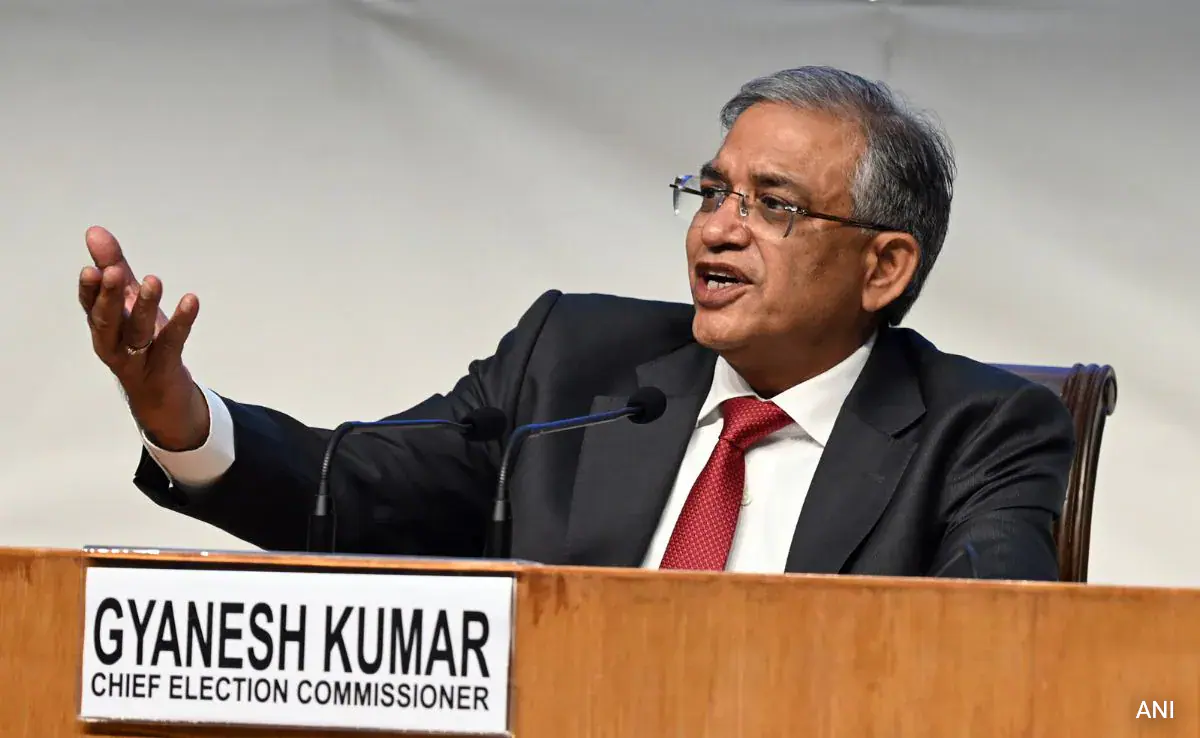

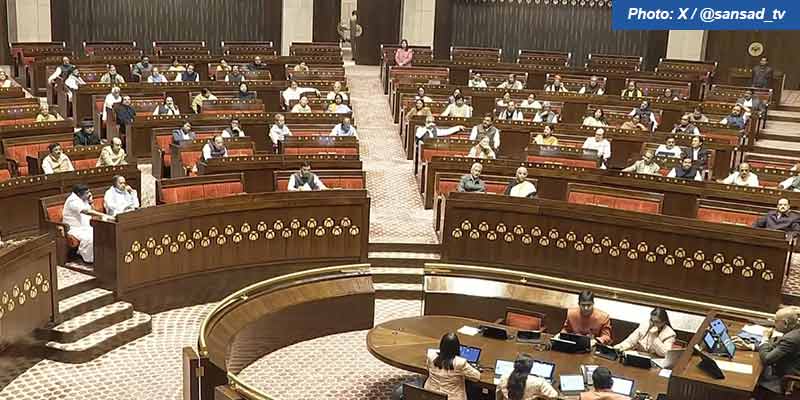
The Election Commission of India (ECI) on Monday formally announced the schedule for biennial elections to 24 Rajya Sabha seats across 10 states, setting the stage for a crucial round of Upper House contests that could influence the political balance in Parliament. Alongside the regular biennial elections, the poll panel also declared bye-elections for three additional Rajya Sabha vacancies in Maharashtra, Tamil Nadu and Odisha.
According to the notification issued by the Election Commission, polling for all the Rajya Sabha seats will be held on June 18, with counting scheduled later the same day. The election process officially began on June 1 with the commencement of nominations. Candidates can file their nomination papers until June 8, while scrutiny will take place on June 9. The final date for withdrawal of candidature has been fixed as June 11.
In a statement, the Election Commission said that elections would be conducted for seats falling vacant due to the retirement of sitting members whose terms are ending in June and July this year. The biennial elections will cover 24 Rajya Sabha seats spread across Andhra Pradesh, Gujarat, Jharkhand, Madhya Pradesh, Manipur, Meghalaya, Rajasthan, Arunachal Pradesh, Karnataka and Mizoram.
The poll panel stated, "The filing of nominations for all the aforesaid elections began from June 1." It further confirmed that in the event of a contest, voting will be held between 8 am and 4 pm on June 18, followed by counting from 5 pm onwards.
Apart from the biennial elections, three Rajya Sabha bye-elections have also been announced. These vacancies arose in Maharashtra, Tamil Nadu and Odisha following resignations, Assembly elections and other developments affecting sitting members. The successful candidates in these bye-polls will serve the remainder of the respective terms.
The Election Commission has simultaneously announced elections to several State Legislative Council seats. Bihar will witness biennial elections to nine Legislative Council seats along with a by-election for one additional seat. Karnataka will also go to polls for seven Legislative Council seats elected by Members of the Legislative Assembly.
The upcoming Rajya Sabha elections are expected to attract significant political attention as several prominent leaders are due to retire from the Upper House. Among those whose terms are ending are former Prime Minister H.D. Deve Gowda, Congress president Mallikarjun Kharge, Union Minister George Kurian and senior political leaders from multiple parties. Their departures have triggered intense internal discussions within political parties over candidate selection and parliamentary strategy.
Political activity has already accelerated ahead of the nomination process. The Bharatiya Janata Party's Central Election Committee recently held high-level meetings to finalise its candidates for the Rajya Sabha and Legislative Council contests. Other major parties, including the Congress and regional outfits, are also engaged in negotiations over seat allocation and candidate selection, particularly in states where coalition equations could prove decisive.
Given that Rajya Sabha members are elected indirectly by elected MLAs through a system of proportional representation and single transferable vote, the outcome in many states is often determined by Assembly arithmetic. However, closely contested states and shifting political alliances can still produce surprises, making candidate selection a crucial factor in the election process.
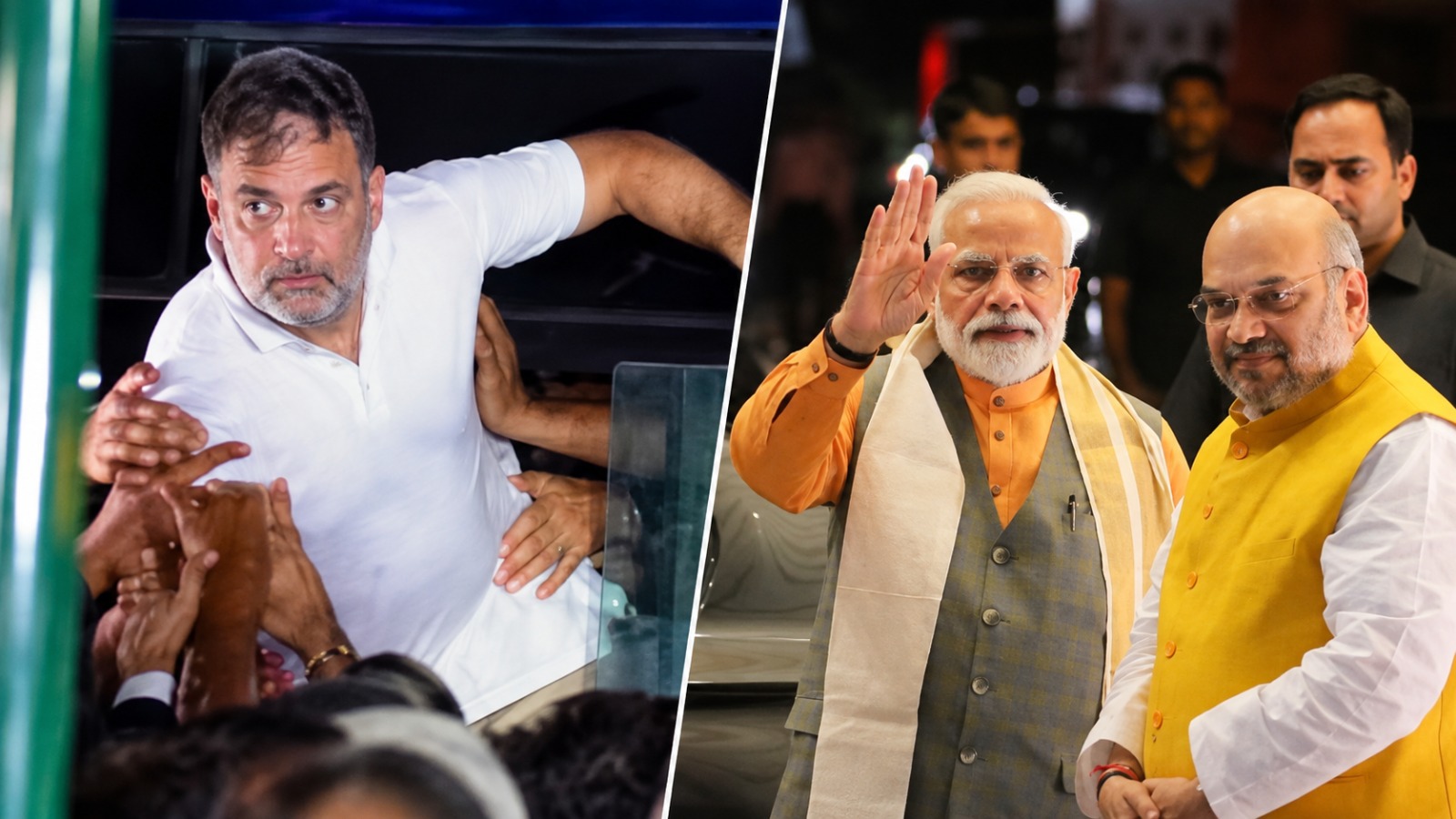
The elections come at a politically significant moment, with both the ruling NDA and the opposition INDIA bloc seeking to strengthen their presence in the Upper House. While the BJP-led alliance currently enjoys a numerical advantage, the latest round of elections will be closely watched for indications of changing political equations at both the state and national levels.
With nominations now open and party consultations entering the final stage, attention will shift to the names fielded by major political formations. The June 18 polls are expected to shape the composition of the Rajya Sabha for the coming years and could have a bearing on the legislative agenda of the government in Parliament.