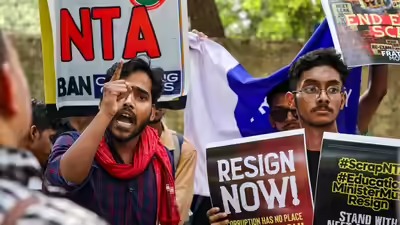
Calls to dismantle the National Testing Agency (NTA) have intensified following the NEET UG paper leak controversy, with several teacher and student organisations questioning the role of centralized entrance examinations in higher education admissions.
The Joint Forum for Movement on Education (JFME), a platform comprising around 30 teacher and student groups, has demanded that the NTA be scrapped and that universities and educational institutions regain the authority to conduct their own admission processes.
According to the forum, centralized tests such as NEET, JEE and CUET reduce institutional autonomy and weaken accountability in the education system.
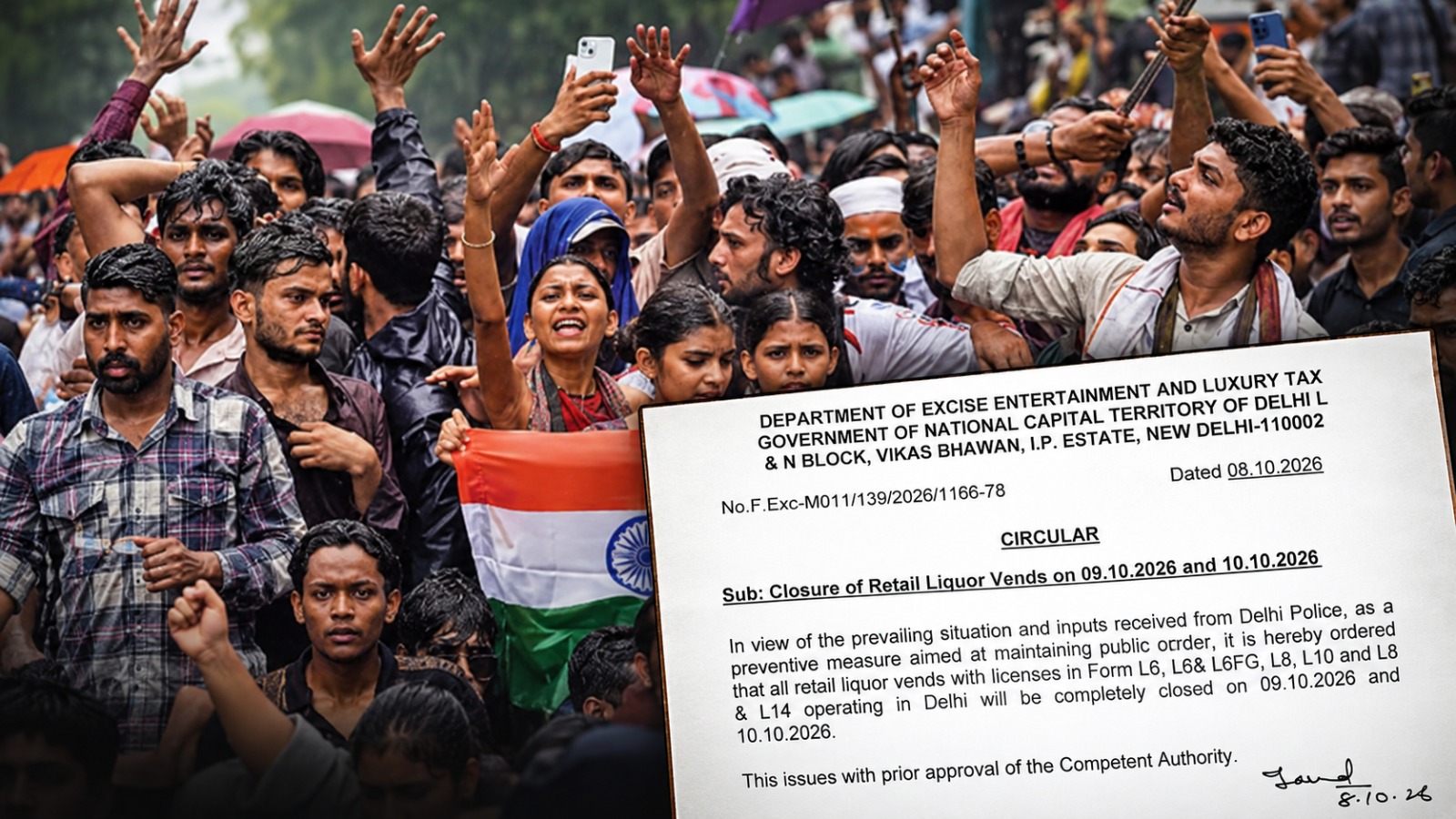
The demand comes amid growing concerns over examination security after the NEET UG paper leak controversy, which led to the cancellation of the exam and the announcement of a re-test. The issue has triggered protests, political criticism and renewed scrutiny of the NTA’s functioning.
Academics associated with the forum also argued that the NTA, being a registered organization, faces limited public accountability. They called for reforms that would strengthen transparency and restore confidence in the admission process.
Avinash Kumar, secretary of the JNU Teachers’ Association (JNUTA), cited the example of the Common Law Admission Test (CLAT), which is conducted in pen-and-paper mode by the national law universities and has never been leaked. “There have been a series of paper leaks in the exams conducted by the NTA. There has been no incident of paper leak in CLAT. This is because the NTA, being a non-statutory body, has no accountability. The CLAT has never been leaked because the reputation of national law universities will be at stake. They want to protect their institutional autonomy,” Kumar said.
The debate has now expanded beyond the paper leak itself, raising broader questions about the future of centralized testing and the autonomy of higher education institutions in India.