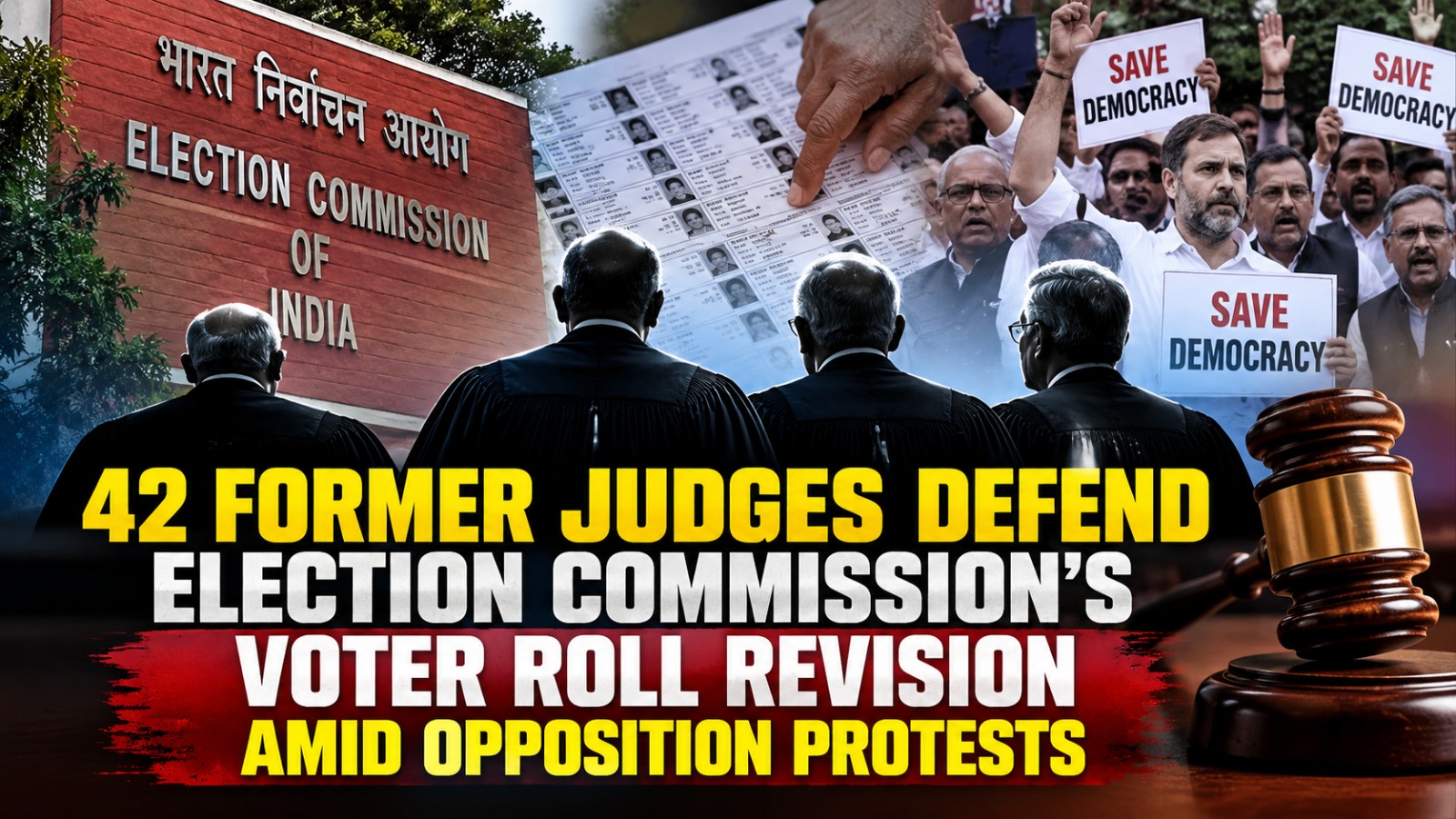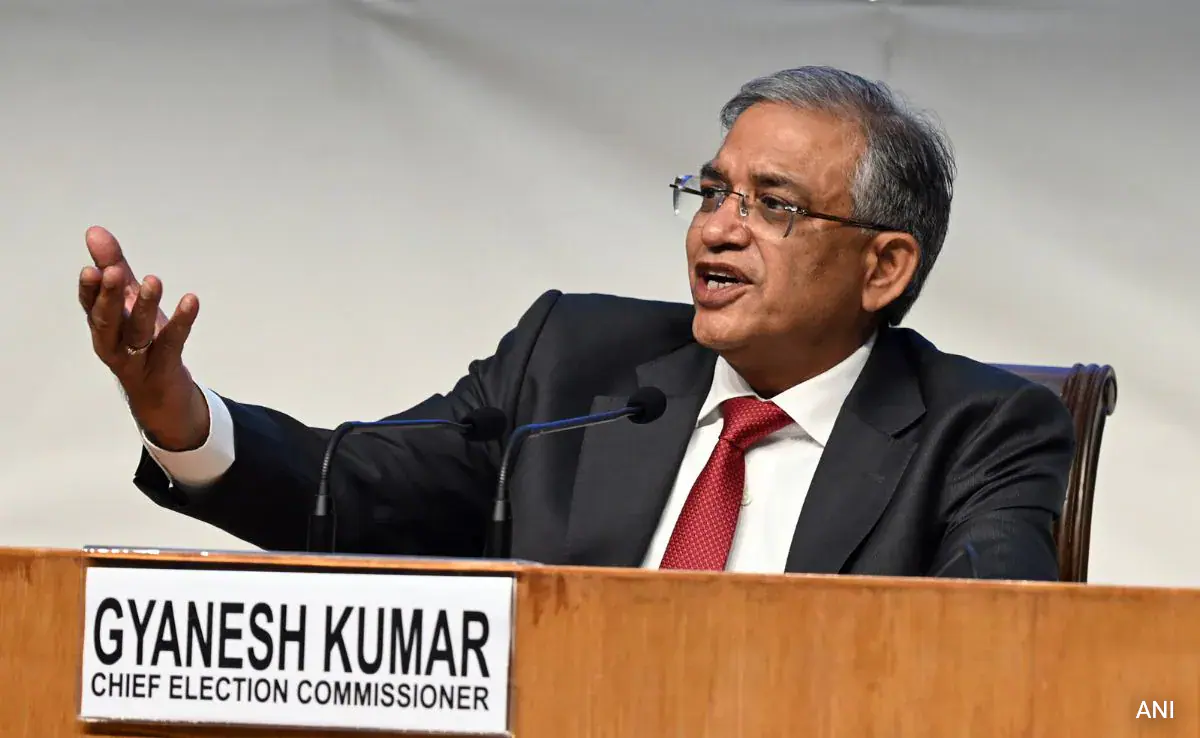

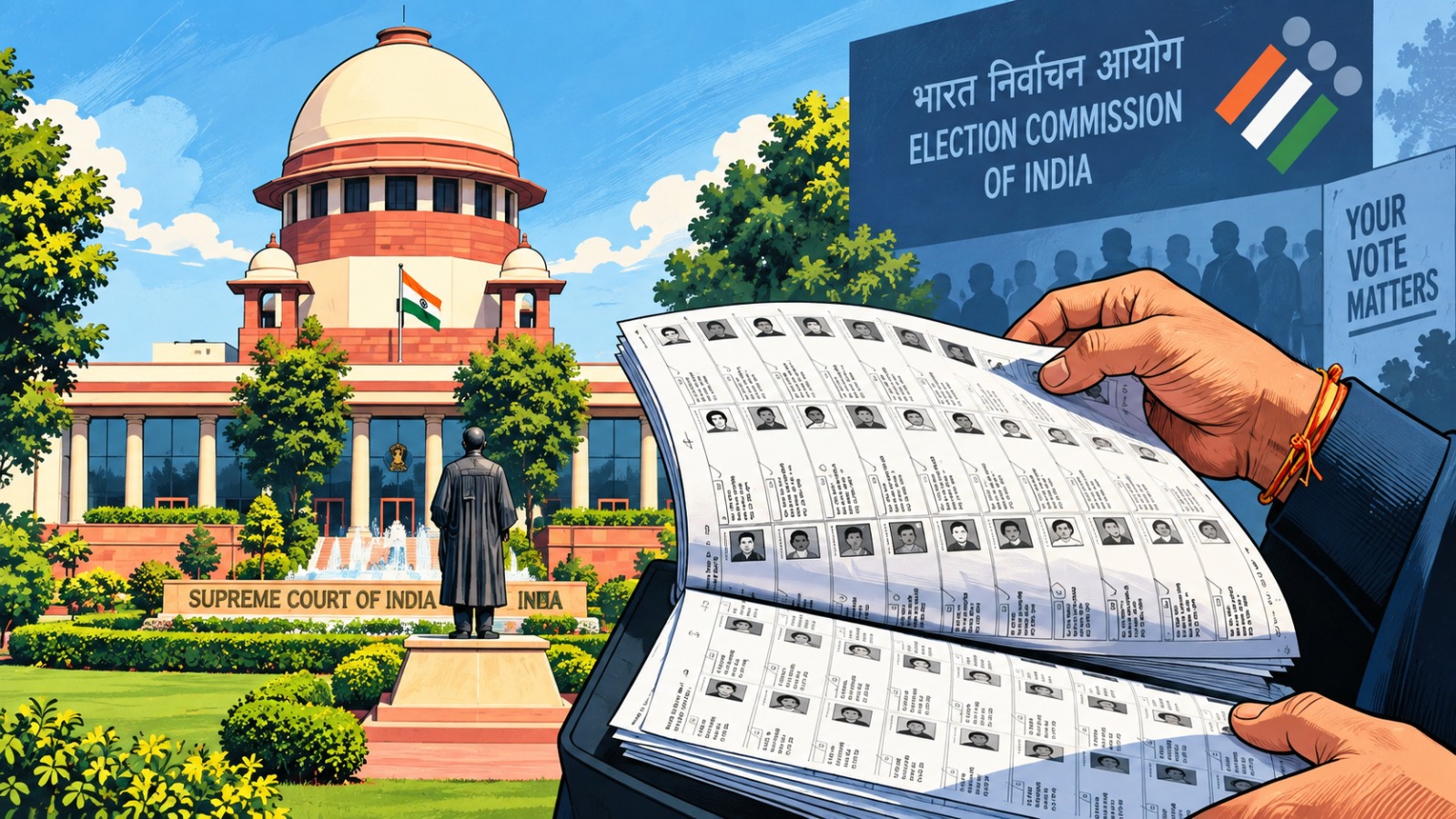
The Supreme Court has asked the Election Commission of India (ECI) to explain the basis of the “logical discrepancy” notices issued to voters during the ongoing Special Intensive Revision (SIR) of electoral rolls in Delhi. The court also questioned whether the notices were being generated and issued without adequate scrutiny.
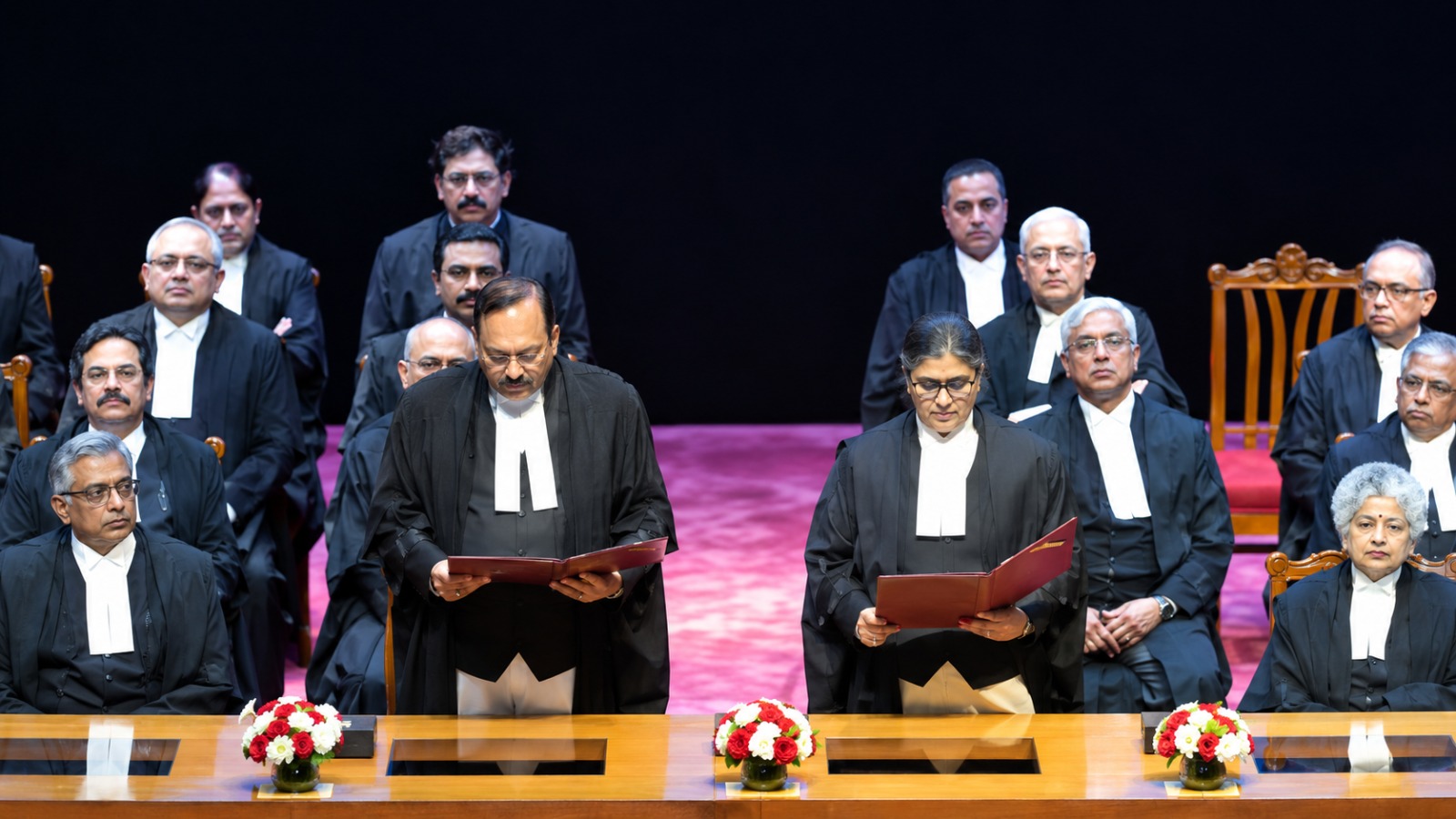
A bench headed by Chief Justice of India Surya Kant, along with Justices Joymalya Bagchi and V. Mohana, was hearing a petition challenging the manner in which voters have been issued notices during the revision exercise.
The court took particular note of reports that more than 33 lakh electors had been flagged under categories including “logical discrepancies” and “no mapping”. The petitioners argued that many notices did not clearly specify the discrepancy that voters were required to address.
Justice Bagchi observed that notices appeared to be going out “almost mechanically”, adding that they were, “in all probability”, machine-generated. The bench asked the ECI to examine whether additional filters were required before such notices were issued.
Court seeks clarity on ‘logical discrepancy’
The bench also questioned the terminology used by the poll panel. CJI Surya Kant said the expression “logical discrepancy” needed to be clearly explained so that voters understood exactly what they were expected to clarify.
Giving a hypothetical example, the Chief Justice said a voter who had moved to Delhi after previously voting elsewhere could receive a notice asking about the location of their earlier vote. “The person should be told what to clarify,” he said.
The petitioners, represented by senior advocate Prashant Bhushan, argued that certain categories used for issuing notices — including unusual age gaps between voters and parents or grandparents, and certain sibling-age differences — did not have an obvious connection with a person's eligibility to vote.
Supreme Court suggests greater voter assistance
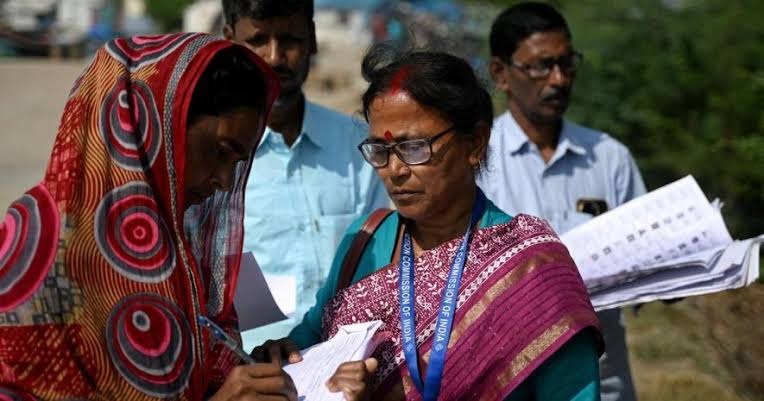
The court suggested that Booth Level Officers (BLOs) should play a more active role in helping voters understand and respond to the notices, rather than merely delivering them.
The bench also proposed that the Election Commission prepare a set of frequently asked questions covering recurring types of discrepancies. “Maybe 10 to 15 queries or objections or questions. You can prepare a standard response,” CJI Surya Kant suggested.
The court said such information could be published through newspapers and websites and circulated through municipalities and BLOs to make the process easier for voters.
ECI asked to file response
The Supreme Court formally issued notice to the Election Commission and asked it to indicate the immediate steps taken to address the concerns. The matter has been listed after two weeks.
The ECI, meanwhile, has maintained that the notices contain reasons for their issuance and that the list of documents prescribed for the SIR process is indicative rather than exhaustive.