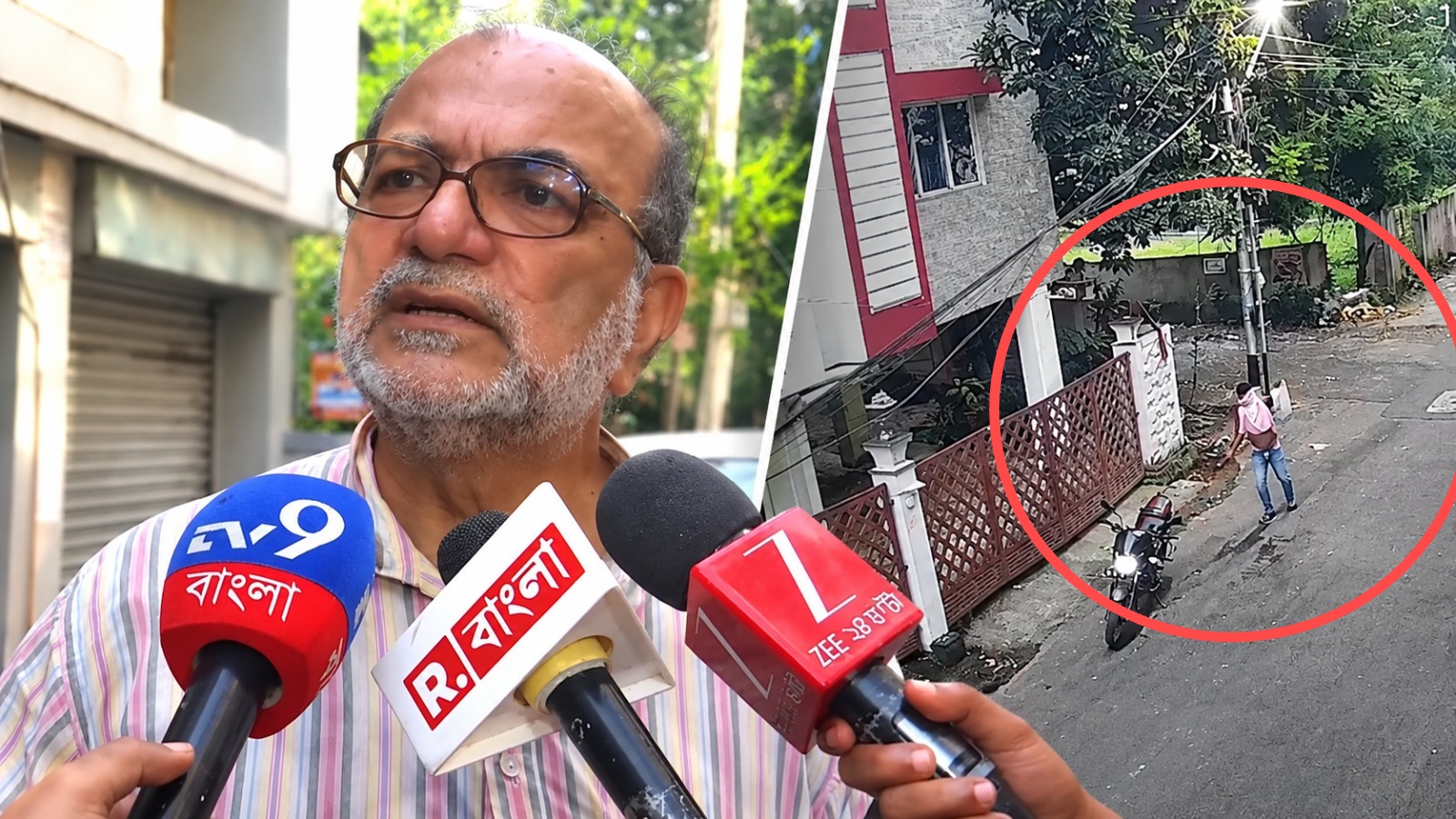
In a quiet apartment lined with books in Lake Gardens, a story is unfolding that cuts to the heart of India’s democratic promise. Dr. Nandita Roy - an IIM professional, a former academic associated with IIM Lucknow, and a PhD from Jadavpur University - is today battling to reclaim a right she has exercised for over a decade: her vote.
Born in 1987 into a family of Indian Air Force veterans, Roy has what most would consider an unimpeachable record of citizenship. A valid passport. A birth certificate. Property documents. A consistent voting history since 2009. Yet, after the Special Intensive Revision (SIR) of electoral rolls in West Bengal, her status now reads a single, stark word: “excluded.” There has been no clear explanation.
A Sudden Erasure
Roy says her name appeared in the draft list during the SIR process. She had completed the required mapping, linking her details with those of her father and grandfather - both former Air Force personnel. And then, without warning, her name disappeared. “I can’t believe this has happened to me,” she says. “If this can happen to me, I can’t imagine how difficult it is for those who are not as privileged.” Her case is now before a tribunal. The application she filed is “voluminous,” she says - packed with documents meant to establish what she believes should never have been questioned.
But even that process has been fraught. “When I went to file my application, I demanded a receipt. They refused initially. Later they gave one but stamped ‘content not verified’. It’s not my job to verify my documents. That’s their responsibility.”
The Larger Crisis
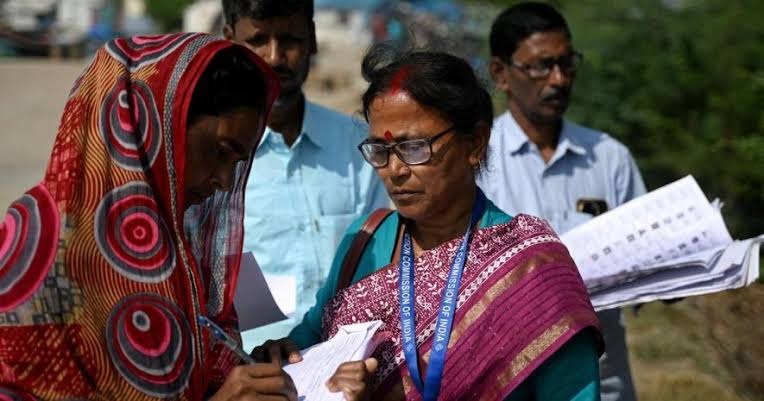
Roy’s case is not an isolated anomaly. It is part of a much larger pattern emerging from the SIR exercise in Bengal. Over 27 lakh voters have been removed after adjudication. A total of 91 lakh names have been deleted since the beginning of the SIR process. Behind these numbers are stories like hers - individuals with documents, mapped, histories, and roots, suddenly pushed into bureaucratic uncertainty.
“A Fundamental Right, Taken Away”
For Roy, the issue is not merely administrative, it is constitutional. “They are calling me ‘excluded’ now, not deleted as if that’s a polite way of saying I cannot vote in this election.” Her voice sharpens as she speaks about the implications: “This is my country. Voting is my constitutional right, fundamental right. Will those in power take a break from governance for a few months? Will government employees stop working and then return later? If not, why should I accept losing my right to vote even for one election?”
She rejects suggestions that she should simply reapply as a new voter.
“Why should I use a shortcut to come back? I had my rights. I want them restored. I refuse to not be an Indian voter even for one single day, leave aside one election”
Roy believes her case exposes a deeper reality that the impact of SIR is no longer confined to the margins. “The urban class thought this was happening only to people outside cities. Now they are realising it is affecting everyone.”
She adds that even legal professionals have not been spared. “I know of Supreme Court lawyers who have been deleted.” Her concern extends beyond her own case - to the millions navigating a complex and often inaccessible system. “How will people without digital literacy manage? The Election Commission website itself requires multiple captchas. It’s tedious. This entire exercise must have been overwhelming and errors were bound to happen. Thus Election Commission of India (ECI) should have taken longer to complete this. Why this haste?”
Climate of Fear
Perhaps most unsettling are the ripple effects Roy describes - where electoral status begins to bleed into everyday life. She recounts how her domestic help, who has also been deleted from the voter list, faced an unexpected hurdle at a bank. “The teller asked her to show her SIR status. That’s direct interference in everyday rights.” For Roy, this raises a troubling question: “Today they have taken away my voting right. Tomorrow, what stops them from affecting my bank account?”
Her words carry a mix of anger and disbelief: “I am not a Rohingya. I am not a Bangladeshi. I am not an infiltrator. I am a tax-paying Indian citizen.” At its core, she sees the issue as one of dignity and identity. “If you deny me the right to vote, you are questioning my citizenship. We cannot accept being lesser Indians - even for a day.”
Back in her book-filled home, a copy of the Constitution of India sits among her collection - a symbol, perhaps, of the ideals she believes are at stake.
Her tribunal hearing is yet to come. The stamped receipt - “content not verified” - is, for now, her only formal acknowledgement. “At least I have proof that my battle has begun,” she says. “And it’s not ending anytime soon.”
As Bengal grapples with the fallout of the SIR exercise, cases like Roy’s raise urgent questions: about process, accountability, and the fragile line between documentation and disenfranchisement. For now, one thing is clear - what began as a bureaucratic exercise has, for many, become a deeply personal fight for recognition, rights, and belonging. “This fight is not mine alone — it is for everyone who has been wrongly disenfranchised, for those who lack the support to be seen, heard, and acknowledged not as ‘excluded’ voters, but as Indians unfairly placed under suspicion. I hope the Supreme Court recognises that taking away the right to vote is not an isolated act — it sets a dangerous precedent. Today it is the vote; tomorrow, it could be other fundamental rights, leaving citizens exposed to deeper vulnerabilities”, she concluded.
Beside her stood the woman who works in her home - equally “excluded”, equally invisible - watching with quiet hope that this moment of attention might rewrite her fate too, from a name erased to a name restored. Yes, she too has been deleted.