
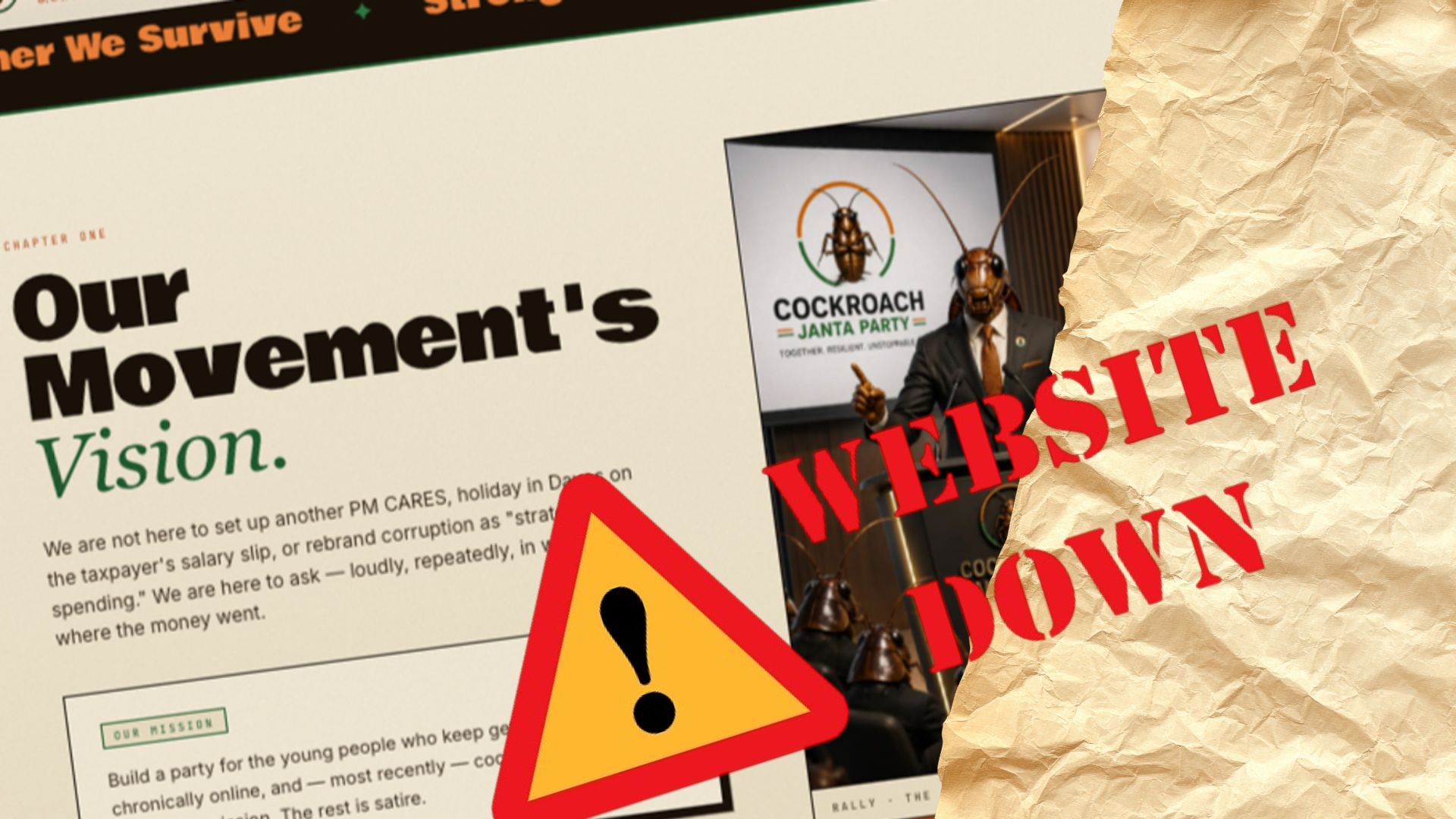
India’s rapidly growing online satire movement, the Cockroach Janta Party (CJP), has escalated its confrontation with the establishment after founder Abhijeet Dipke alleged that the group’s official website was taken down shortly after it witnessed a massive surge in public engagement.
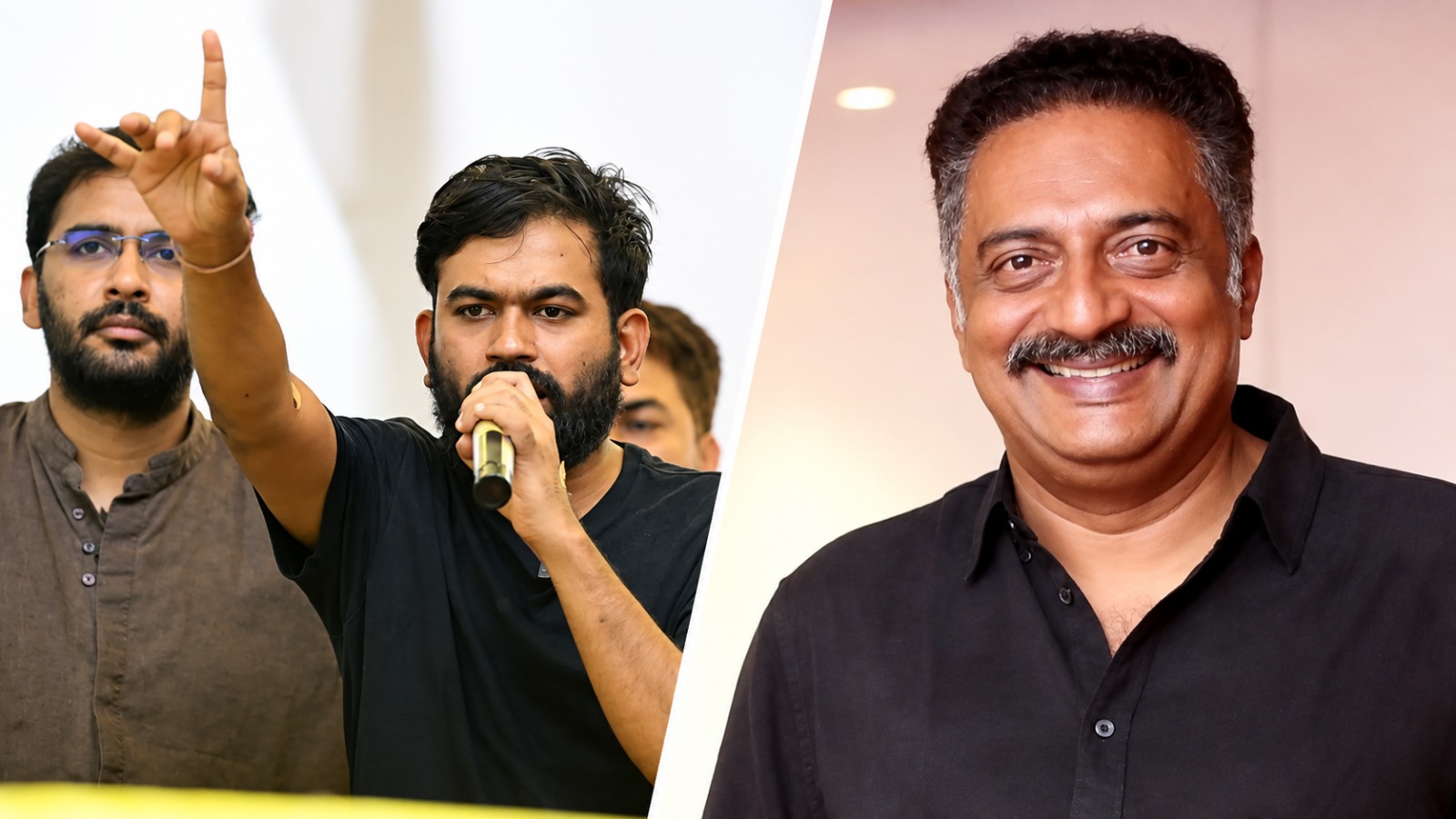
Dipke accused the BJP-led central government of attempting to suppress a youth-driven digital movement that has, over the past week, transformed from an internet meme into a wider political conversation around unemployment, censorship, and democratic dissent. According to him, nearly “10 lakh cockroaches” had signed up through the website before it suddenly went offline.
In a strongly worded social media post, Dipke questioned the state’s response to the movement, asking, “Why is the government so scared of cockroaches?” He further described the alleged action as “dictatorial,” arguing that attempts to silence the platform were only deepening political frustration among young Indians.
“The government has taken down our iconic website - http://cockroachjantaparty.org
. 10 Lakh cockroaches had signed up on our website has members. 6 Lakh cockroaches had signed a petition to demand the resignation of Dharmendra Pradhan. Why is the government so scared of cockroaches? But this dictatorial behaviour is opening the eyes of India's youth. Our only crime is we were demanding a better future for ourselves. But you can't get rid of us that easily. We’re working on a new home right now. Cockroaches never die,” Dipke’s post on X read.
Cockroach Janata Party (CJP): A Political Sattire
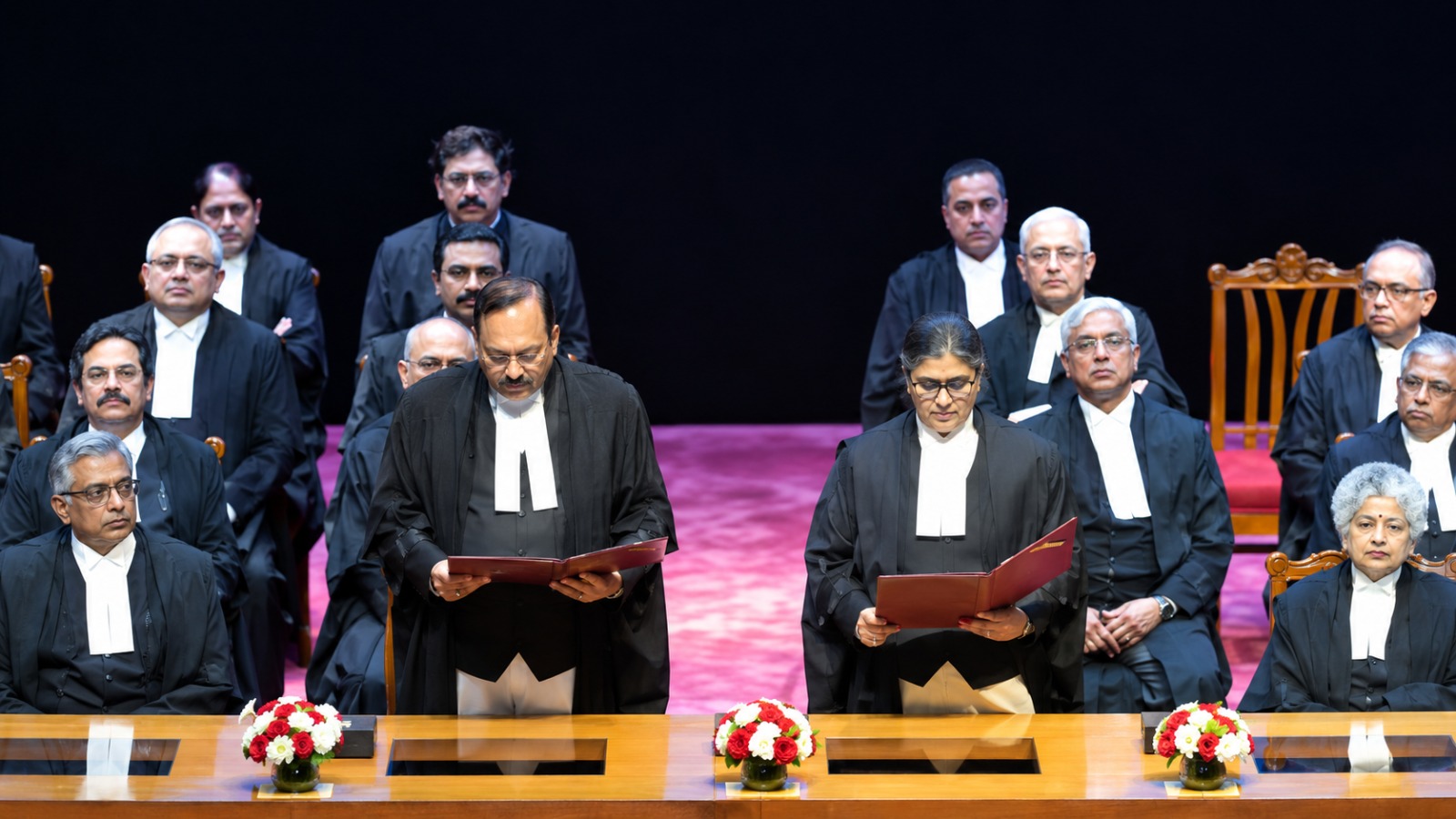
The Cockroach Janta Party emerged after controversial remarks linked to Supreme Court judge Surya Kant, where unemployed youth were allegedly compared to “cockroaches.” Although the remarks were later clarified, the internet quickly reclaimed the insult, turning the cockroach into a symbol of survival, resilience, and anti-establishment satire.
What began as a parody account soon evolved into one of India’s fastest-growing digital political phenomena. Within days, the movement amassed millions of followers across platforms, particularly among Gen Z users frustrated by rising unemployment, examination controversies, inflation, and shrinking economic opportunities. International media outlets have described the movement as a reflection of widening disillusionment among India’s youth.
However, the movement’s meteoric rise has also been accompanied by repeated allegations of online restrictions. Over the past several days, CJP supporters claimed that the group’s X account had been withheld in India following a “legal demand,” while Dipke alleged that attempts were made to hack both the organisation’s Instagram account and backup pages.
After the original X handle became inaccessible, the group launched a fresh account titled “Cockroach Is Back” carrying the slogan “Cockroaches Don’t Die.” The new account rapidly attracted thousands of followers within hours, reinforcing the movement’s core message that digital suppression may only intensify online mobilisation rather than weaken it.
The controversy has triggered broader debate around internet freedom and political satire in India. While supporters see the crackdown allegations as evidence of growing intolerance towards dissent, critics argue that the movement remains largely symbolic and driven by meme culture rather than structured political engagement.
Online reactions have been sharply polarised. Discussions across social media platforms and Reddit ranged from concerns over censorship and “authoritarian” tendencies to scepticism about whether the movement can translate viral momentum into meaningful political action.
Political observers note that the significance of the Cockroach Janta Party may lie less in electoral ambition and more in what it reveals about India’s digital generation — a demographic increasingly using humour, irony, and internet culture to express distrust in traditional political systems.
As the dispute intensifies, the CJP’s takedown claims have added another layer to ongoing national conversations surrounding online speech, platform regulation, and the limits of political satire in the age of viral activism.