Mumbaikars already grappling with rising fuel costs are set to face another inflationary blow as Mahanagar Gas Limited (MGL) has increased the retail price of Compressed Natural Gas (CNG) by ₹2 per kilogram and Piped Natural Gas (PNG) by 50 paise per unit across Mumbai and the Mumbai Metropolitan Region (MMR).
The revised rates came into effect on Saturday, May 30.
With the latest revision, the price of CNG has risen from ₹84 per kg to ₹86 per kg in Mumbai, Thane, Navi Mumbai and adjoining areas. PNG, supplied through pipelines for domestic cooking purposes, will now cost ₹52 per unit, up from ₹51.50.
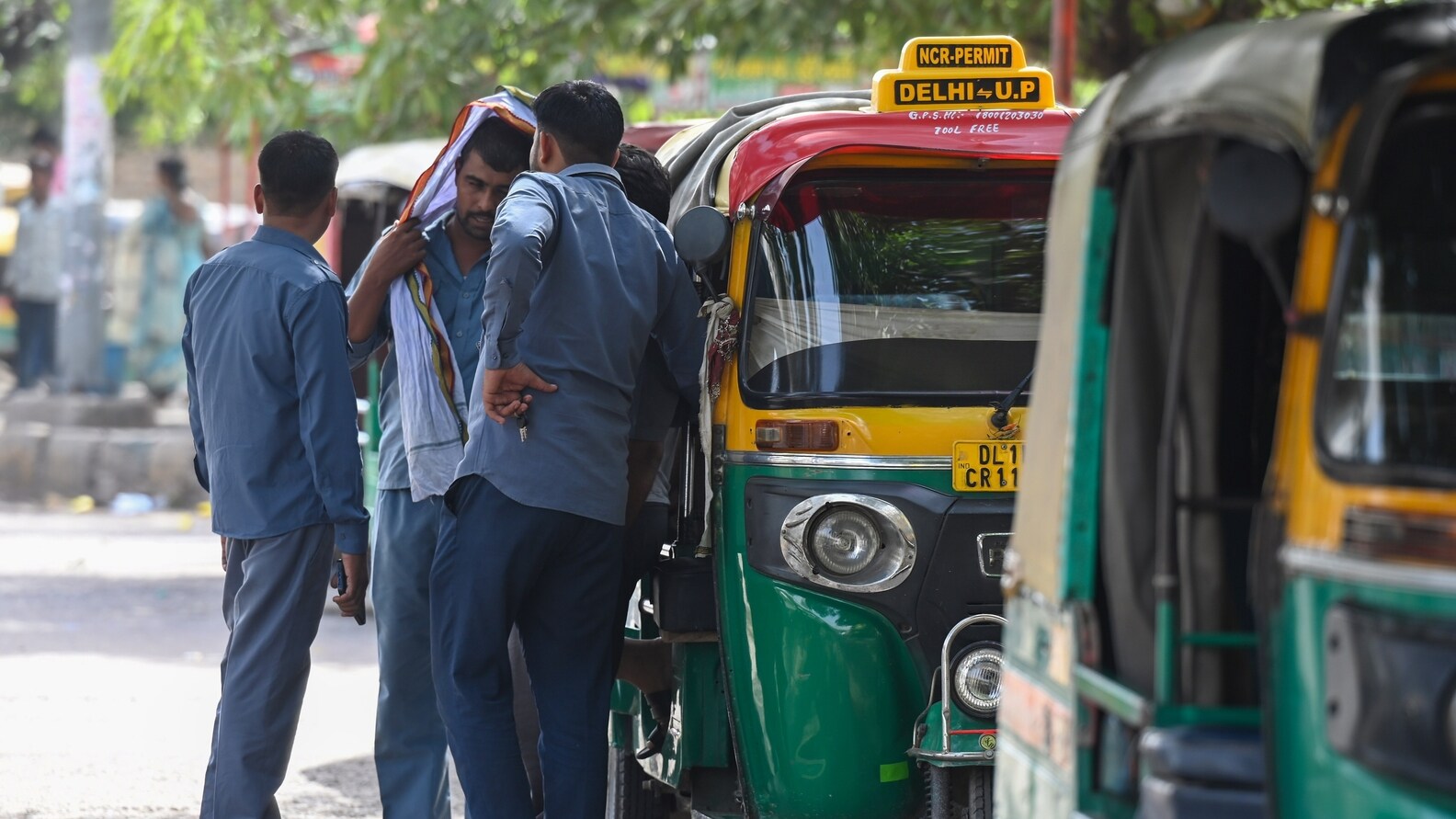
The hike is expected to impact lakhs of daily commuters as a significant portion of the region's public transport fleet, including auto-rickshaws, taxis and buses, runs on CNG. More than 31 lakh households across the MMR that depend on PNG for cooking will also see an increase in their monthly utility bills.
Mumbai Rickshaw Union stated the recent increase in CNG prices has significantly raised operating costs for auto-rickshaw drivers, making a revision in fares necessary. As per the fare revision formula, which takes into account rising fuel costs, auto-rickshaw fares may need to be increased by around ₹1.12 per kilometre, effectively resulting in a ₹1 fare hike.
The union would submit a proposal for a fare revision to the Mumbai Metropolitan Region Transport Authority (MMRTA), which will take the final decision on the matter.
Taxi unions have also renewed their demand for a hike of ₹2 to ₹3 in the minimum fare, citing repeated increases in CNG prices over the past year.
According to MGL officials, this is the second CNG price increase in May after a ₹2-per-kg hike announced on May 13. The company had also increased CNG prices by ₹1 per kg in April.
Explaining the reasons behind the latest revision, an MGL official said that geopolitical tensions affecting global energy supply chains, rising crude oil prices, increased dependence on costlier gas sources and the depreciation of the Indian rupee have significantly raised gas procurement costs.
Despite the increase, MGL maintained that CNG continues to be a more economical fuel option compared to petrol and diesel. According to the company, at current fuel rates in Mumbai, CNG offers savings of around 45 per cent compared to petrol and nearly 12 per cent compared to diesel.
The dependence on CNG in the Mumbai region has grown steadily over the past year. Official figures show that the number of CNG-powered vehicles has increased by nearly two lakh, a growth of about 20 per cent, taking the total number of such vehicles to over 12 lakh.
The region's CNG fleet includes approximately 4.7 lakh auto-rickshaws, more than 1.6 lakh taxis and over five lakh private vehicles operating across Mumbai, Thane, Mira-Bhayandar, Navi Mumbai and Raigad.
The latest hike is likely to increase pressure on household budgets and may eventually lead to higher public transport fares if operators' demands for fare revisions are accepted by authorities.