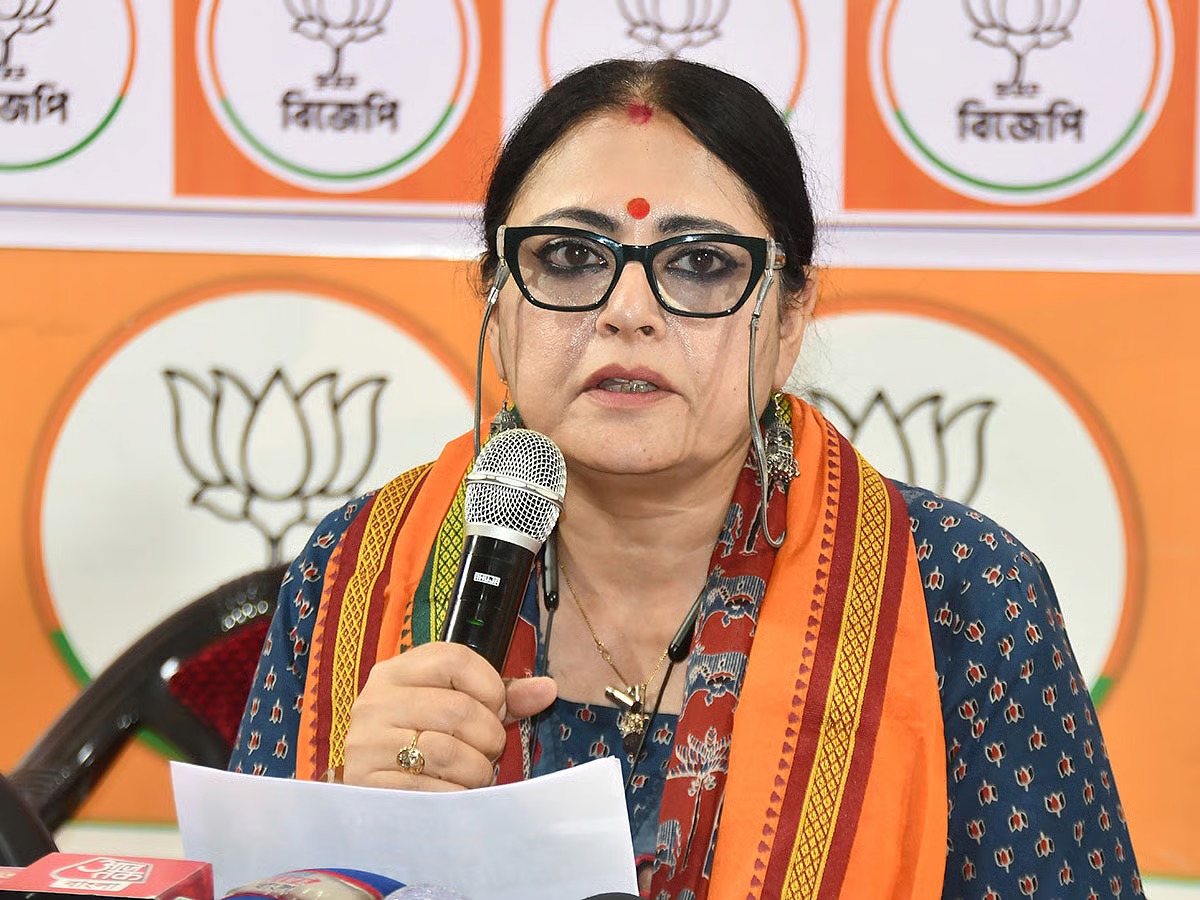
Chhath Puja may return to Kolkata's Rabindra Sarobar and Subhas Sarobar this year after a gap of nearly nine years. West Bengal Urban Development and Municipal Affairs Minister Agnimitra Paul has expressed the state government's willingness to allow devotees to perform the festival rituals at the two lakes, a proposal that has triggered concerns among environmentalists.
Speaking to reporters on Wednesday, November 4, Paul said the government was considering allowing Chhath Puja at both water bodies and that she had discussed the matter with Chief Minister Shuvendu Adhikari.
"We are thinking of allowing Chhath Puja at Rabindra Sarobar this year. Why should we not allow it? Where will the people living there go to perform Chhath Puja?" Paul said.
The minister also indicated that the government would consult the National Green Tribunal (NGT) before taking further steps.
"We will speak to the Green Tribunal. I am confident that some way or the other will be found. We will not litter the area, nor will we allow anyone to do so," she said.
Nine-year-old ban remains a hurdle
Chhath Puja has been prohibited at Rabindra Sarobar and Subhas Sarobar since 2017, following an NGT order aimed at protecting the lakes' fragile ecosystems from pollution.
The restrictions were imposed amid concerns over water pollution caused by offerings, religious materials, firecrackers and other waste generated during the celebrations.
In 2020, the Calcutta High Court upheld the NGT's restrictions. The then Trinamool Congress government subsequently challenged the order in the Supreme Court. The matter remains pending, and the Supreme Court has not stayed the High Court's order.
Environmentalists have questioned how the state government can consider allowing the celebrations while the matter remains before the Supreme Court.
Environmentalists warn against violating court orders
Environmental activist and Sabuj Mancha secretary Naba Dutta questioned the need for additional precautions when a judicial order already prohibits the celebrations.
"There is a court order. What is the need for precautionary measures after that?" he said.
Environmental activist Subhas Dutta, who had earlier approached the courts over the issue, said the matter could not be decided simply on the basis of the government's wishes.
"There is a court order. This does not depend on the wishes of the Chief Minister or the Prime Minister," he said.
He also maintained that the state government would have to approach the Supreme Court if it wanted Chhath Puja to be permitted at the two lakes.
SM Ghosh, convenor of the Morning Walkers' Association, expressed concern over the existing condition of Rabindra Sarobar's water.
"Even today, fish have died in the lake. The water there is still polluted," he said, warning that allowing Chhath Puja could worsen the situation.