
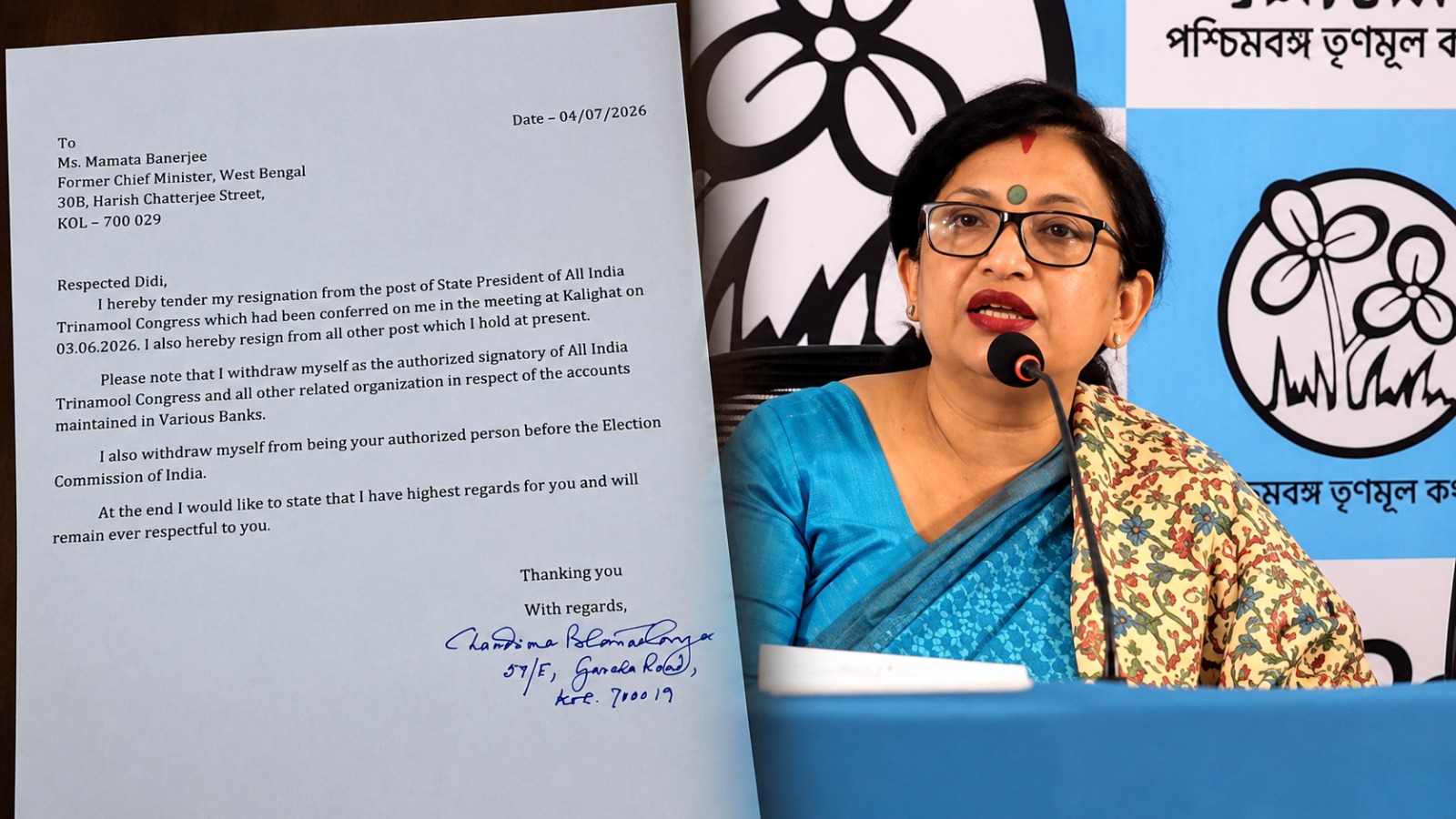
In a significant escalation of the ongoing crisis within the Trinamool Congress, senior leader and West Bengal State President Chandrima Bhattacharya has tendered her resignation from all party positions she currently holds. The move comes hours after a rebel faction took physical control of the TMC’s state headquarters in Kolkata and amid a broader leadership and ownership dispute following the party’s heavy defeat in the 2026 West Bengal Assembly elections.
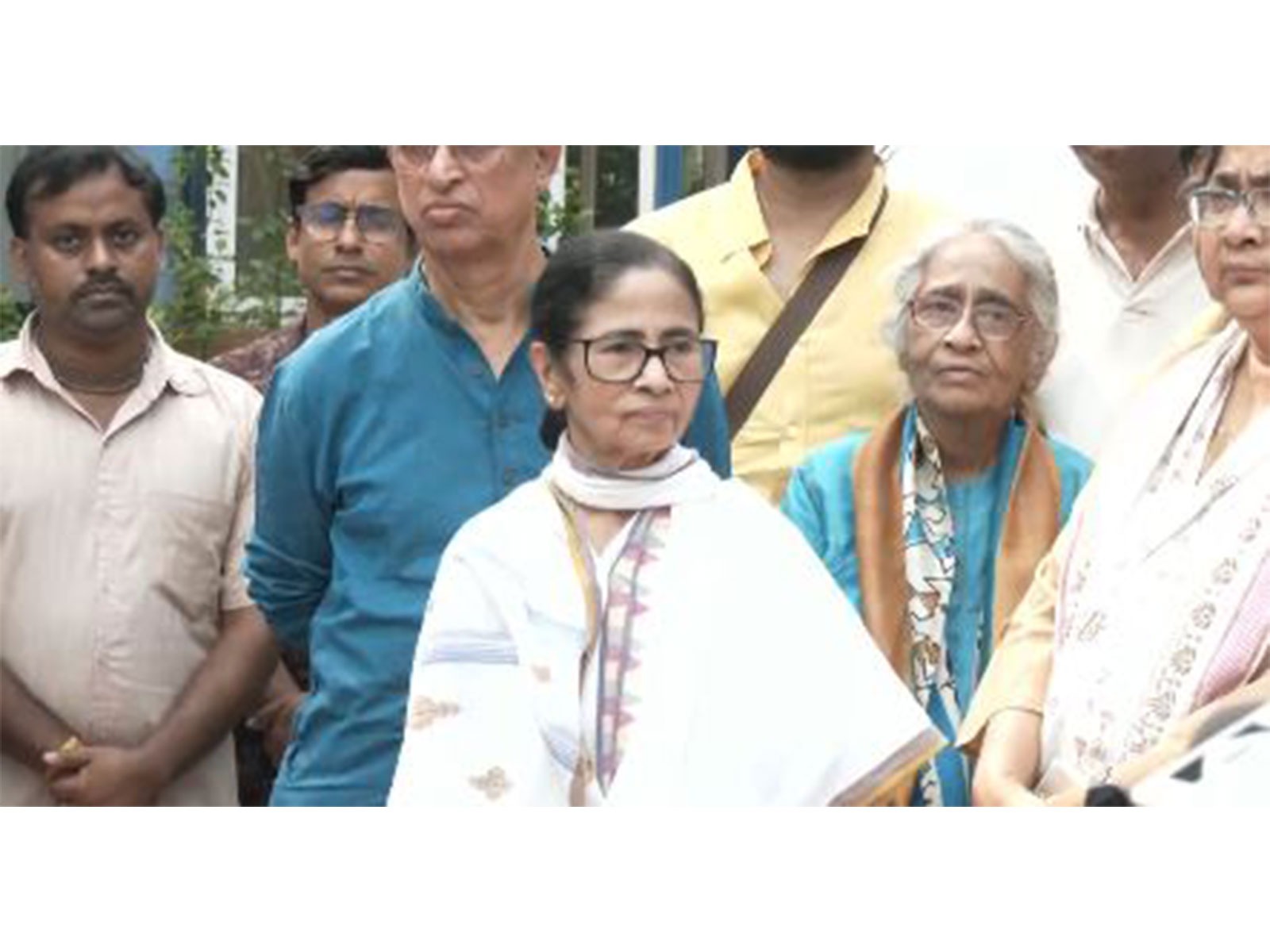
Bhattacharya, a long time associate of Mamata Banerjee and former minister who was elevated to the post of State President of the West Bengal unit of the All India Trinamool Congress in early June 2026, addressed her formal resignation letter to “Ms. Mamata Banerjee, Former Chief Minister, West Bengal” at her Kalighat residence. Notably, the letter makes no reference to Banerjee’s role as party chairperson, supremo, or national leader of the TMC - a detail that political observers have highlighted as underscoring the contested claims over party leadership and ownership in the wake of the rebel challenge.
“I hereby tender my resignation from the post of State President of All India Trinamool Congress which had been conferred on me in the meeting at Kalighat on 03.06.2026. I also hereby resign from all other post which I hold at present. Please note that I withdraw myself as the authorised signatory of All India Trinamool Congress and all other related organisation in respect of the accounts maintained in Various Banks. I also withdraw myself from being your authorised person before the Election Commission of India. At the end I would like to state that I have highest regards for you and will remain ever respectful to you”, Bhattacharya’s letter read.
Accompanying the formal submission, Bhattacharya is reported to have stated: “When trust and integrity are questioned, there remains no scope for reconciliation. I take responsibility.” According to she, Mamata Banerjee had called her on Friday evening after the rebels took over the party office, accusing her of complicity.
Bhattacharya had been serving as State President of the West Bengal Trinamool Congress since her appointment on or around June 5, 2026, replacing veteran Subrata Bakshi in a post-election organisational rejig. She had represented the Dum Dum Uttar constituency multiple times as an MLA (2011–2016, 2016–2021, and 2021–2026). Her resignation specifically covers the State President role, “all other posts” she currently holds, her position as authorised signatory for TMC and related organisations’ bank accounts, and her designation as the party’s authorised representative before the Election Commission of India.
What Happened On Friday Evening?
The resignation comes just hours after a rebel group led by Leader of the Opposition Ritabrata Banerjee, along with Firhad Hakim and others, entered the TMC state party office at Metropolitan Building off EM Bypass on July 3. The faction held a meeting inside the premises - which still had photographs of Mamata Banerjee on the walls - locked the main gate, and put up a banner naming Arup Roy as party chairman, without any reference to Mamata Banerjee. The rebels have been asserting before the Election Commission that they represent the “real” Trinamool Congress, citing a claimed two-thirds majority among legislators.
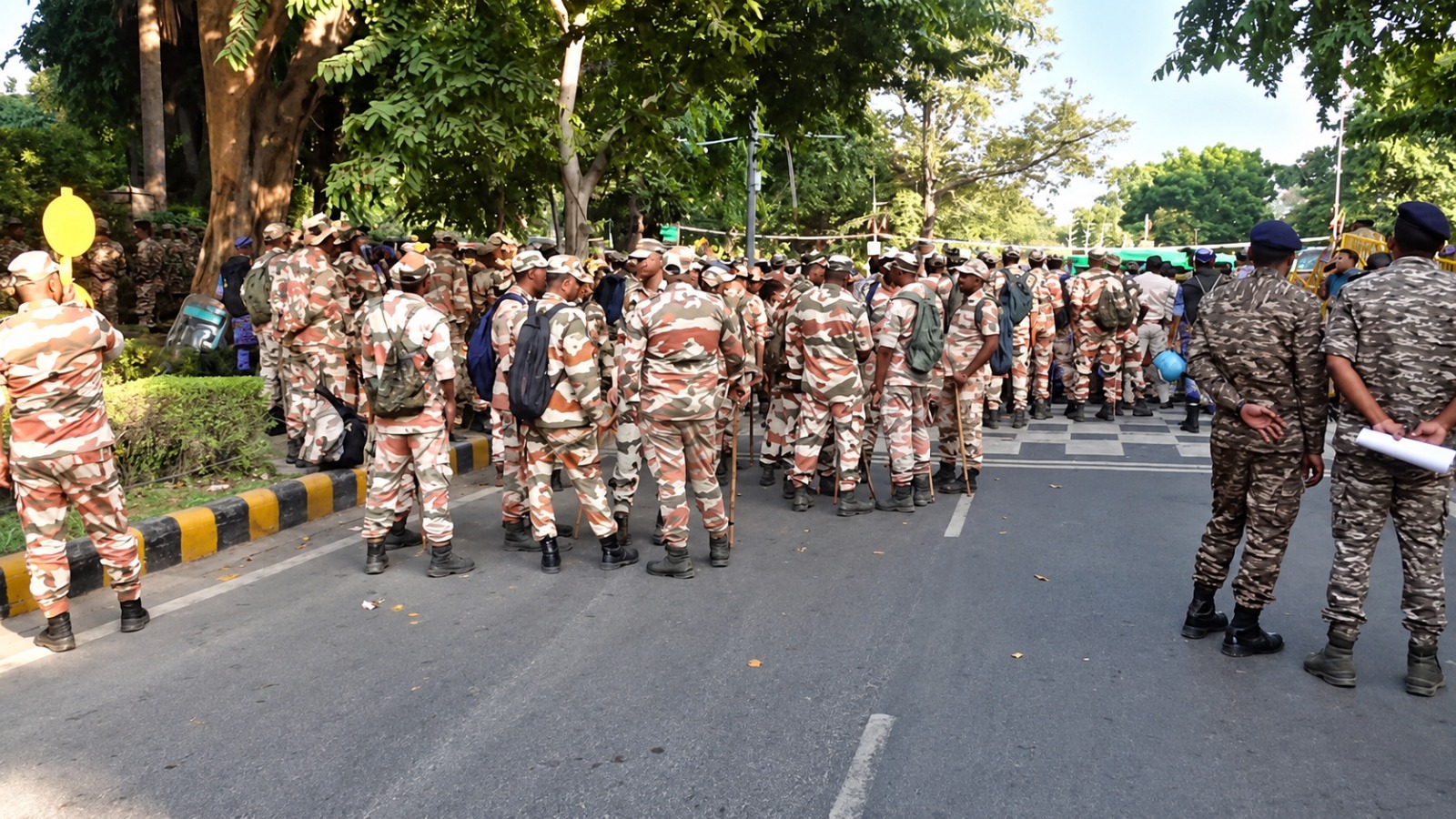
Loyalists, including Kunal Ghosh and Madan Mitra, were initially prevented by police from accessing the building and have indicated they will approach the courts, terming the action trespass. Chandrima Bhattacharya was present at the office when the rebels arrived but left the premises.
The developments mark another chapter in the post-election turmoil that has gripped the TMC since its significant losses in the May 2026 Assembly polls. Mamata Banerjee dissolved existing party committees and attempted a reorganisation, appointing loyalists and old-timers to key roles, including elevating Bhattacharya as State President. However, dissent has grown, with a section of leaders and MLAs questioning the leadership. The rebel faction has not only staked claim to the party name and symbol before the ECI but has also seen some Lok Sabha MPs merge with another political formation. The physical takeover of the iconic party office and the symbolic omission of Mamata Banerjee’s image from the banner have intensified the narrative of a split and a battle for control over the party’s identity, funds, and organisational structure.