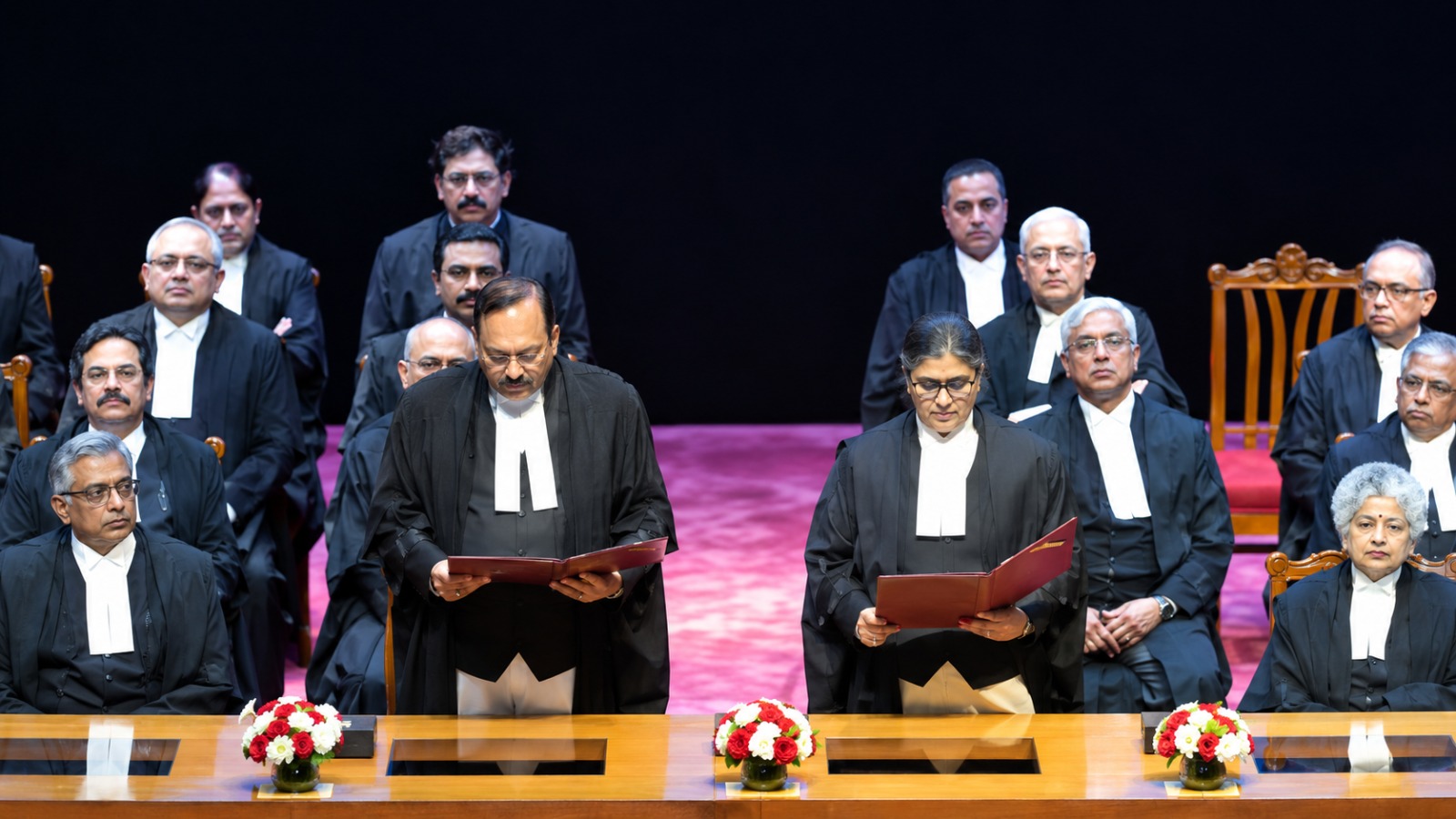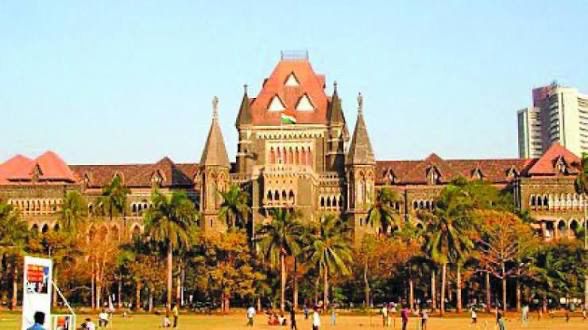
The Bombay High Court on Thursday (July 2) set aside an externment order issued against a leader of the Socialist Democratic Party of India (SDPI), observing that participation in protests against the government, by itself, cannot justify such an extreme action.
While hearing the matter, Justice Madhav Jamdar also made a series of sharp oral observations on the political situation in Maharashtra, remarking that "horse trading" was taking place across the State and making an oblique reference to the ruling alliance's critics who often describe it as a "washing machine" for politicians facing criminal cases.
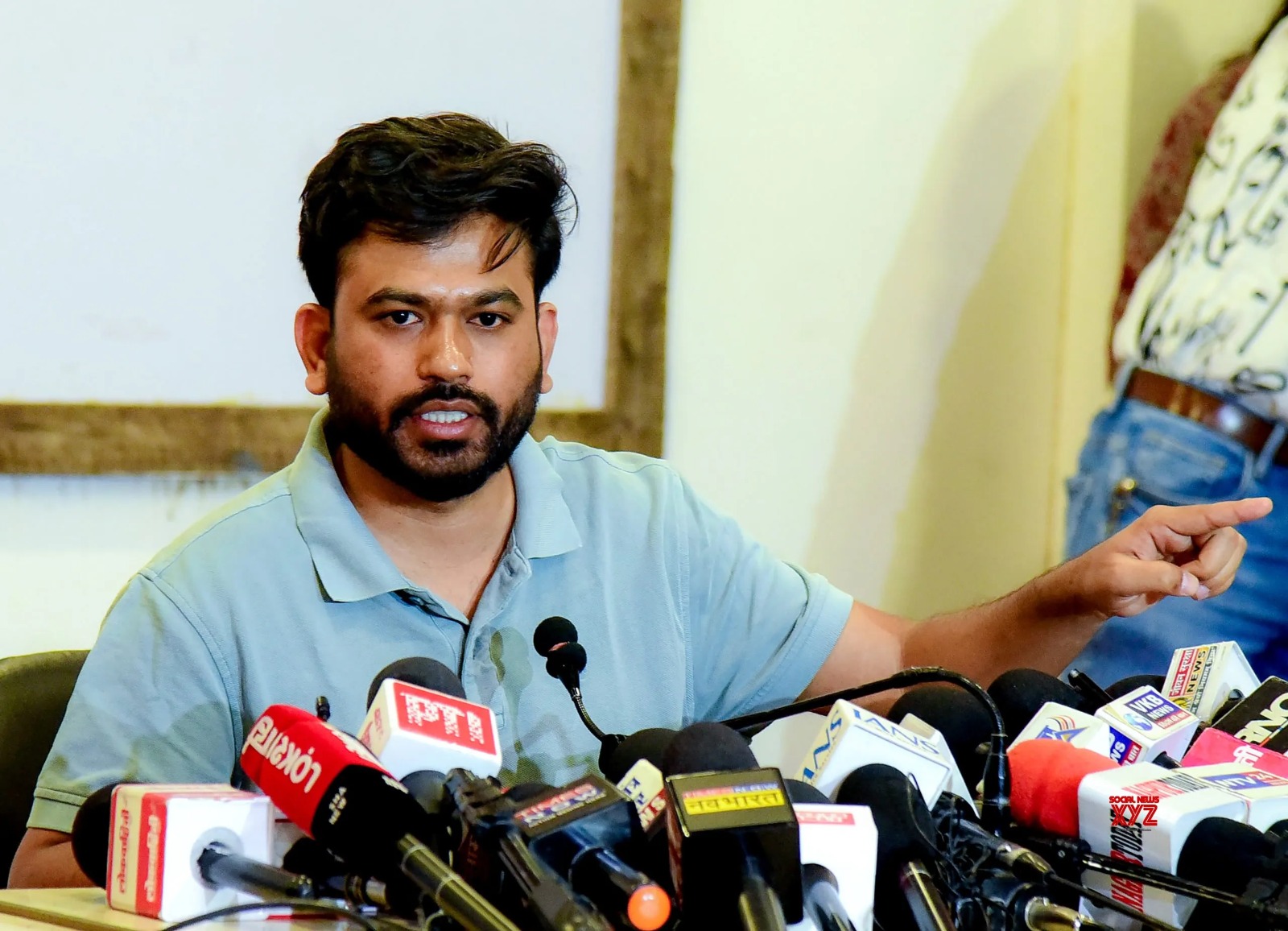
The petition was filed by Saeed Ahmad Abdul Wahid Chaudhary (49), General Secretary of the SDPI, challenging a December 2025 externment order passed by the Maharashtra Police. The order had directed him to remain outside the city for one year, citing multiple criminal cases registered against him between 2019 and 2024.
During the hearing, Justice Jamdar observed that merely organising protests against the government could not be treated as a ground for externment. The judge also criticised attempts to suppress democratic dissent, orally remarking that "citizens were being made by the slaves of the Indian Government."
Justice Jamdar further referred to the current political developments in Maharashtra, where several MPs and MLAs have switched parties in recent years. Referring to Chaudhary's political affiliation, the judge said:
"The day before yesterday, one 10 years child was killed in an accident and what the State Assembly was discussing - how a Presiding Officer is elected and how he has shifted from one party to another. What is this? Even you (Saeed) should switch sides... anyways, horse trading is going on in the entire Maharashtra. You (Saeed) have some FIRs... consider switching sides, there is a washing machine."
The remarks were made in a lighter vein during the course of the hearing.
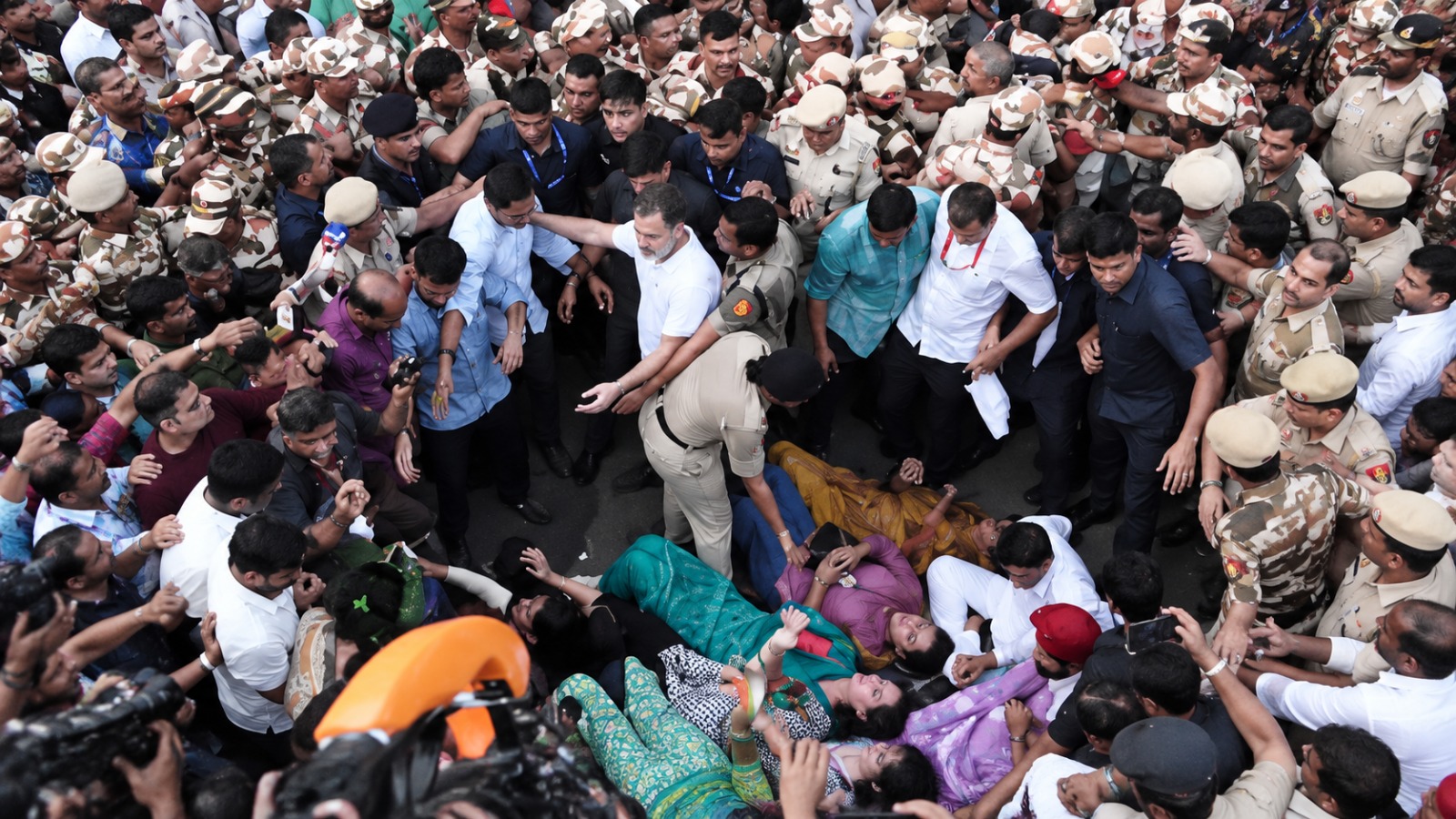
According to the police, the externment order was based on several criminal cases registered against Chaudhary over protests organised between 2019 and 2024. The demonstrations related to contentious national issues, including the Citizenship Amendment Act (CAA), the National Register of Citizens (NRC), and disputes concerning the Babri Masjid and Gyanvapi mosques.
The police alleged that these protests were held despite permission being denied. During the demonstrations, protestors allegedly raised slogans such as 'BJP government murdabad' and 'Amit Shah murdabad'.
Chaudhary, however, contended that the externment proceedings were politically motivated and intended to prevent him from participating in public life during an important electoral period. He argued that the criminal cases relied upon by the authorities involved only minor offences carrying a maximum punishment of one month's imprisonment and did not warrant an externment order.
His counsel submitted that externment is an extraordinary preventive measure generally invoked against habitual offenders or persons posing a genuine threat to public peace, and not against individuals participating in political protests.
The State defended the order, maintaining that the protests had been organised despite police refusing permission and that the authorities were therefore justified in initiating externment proceedings.
Rejecting the State's stand, Justice Jamdar held that the action lacked a valid legal foundation and appeared to have been taken in bad faith. The Court found no material to suggest that Chaudhary posed any threat to public order, public safety or property.
The Court also underscored that Articles 19 and 21 of the Constitution guarantee every citizen the rights to freedom of speech and expression, personal liberty and a life with dignity. It was observed that curtailing these constitutional protections solely because a citizen opposed government policies would undermine the very principles of a democratic society.
With these findings, the High Court quashed the externment order, reiterating that peaceful protest and dissent remain integral to India's constitutional democracy.