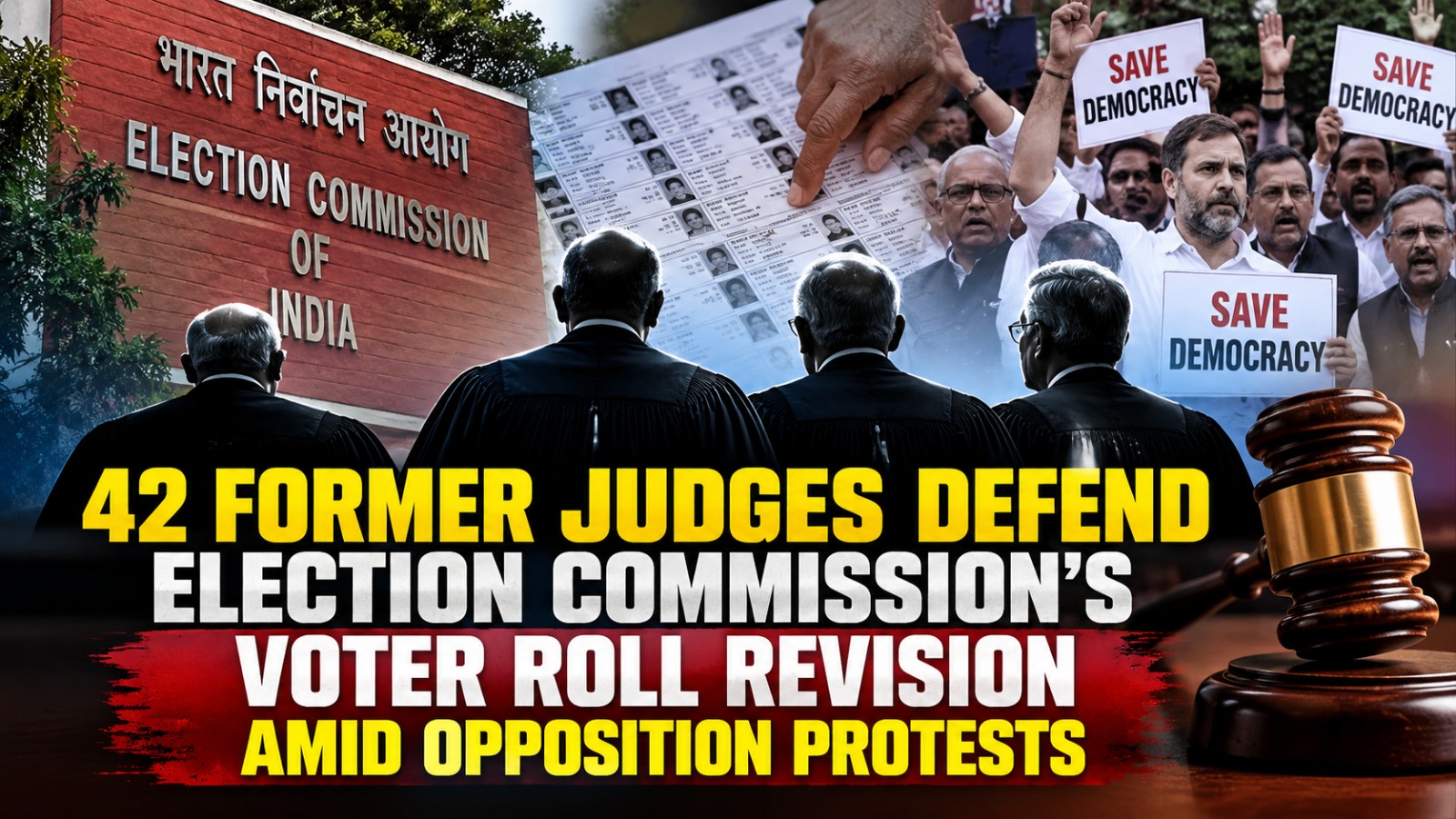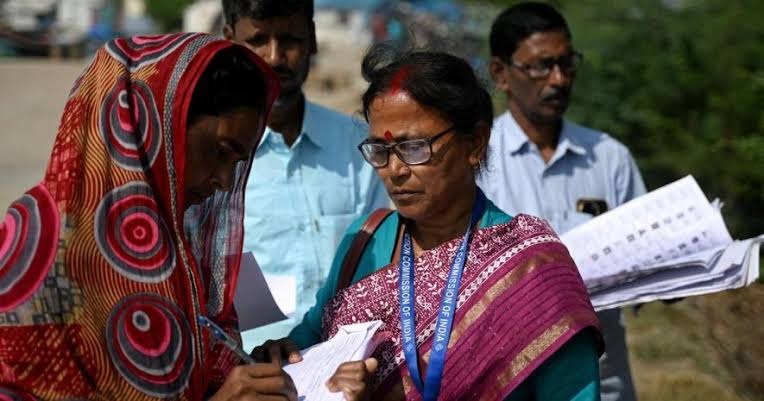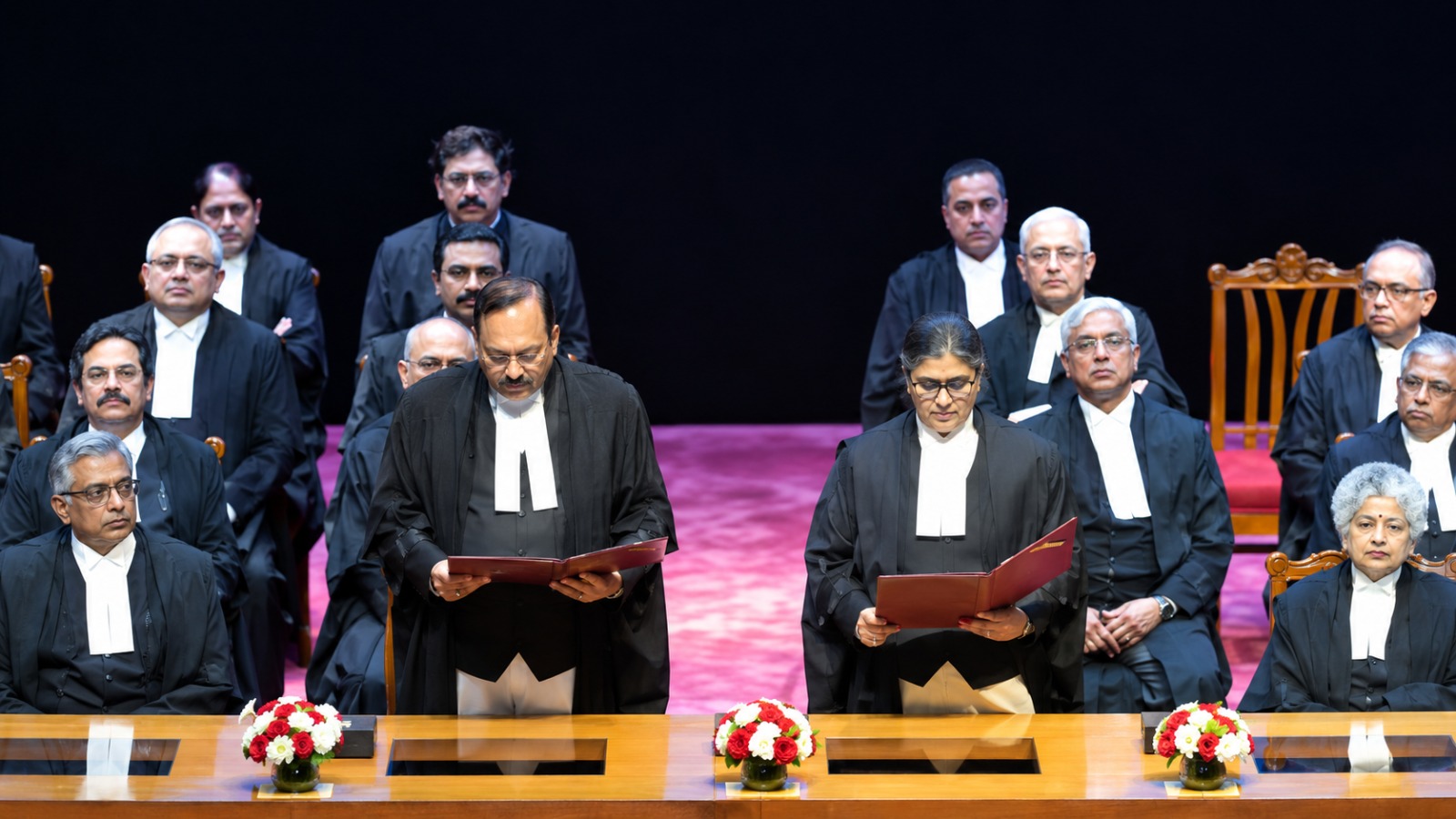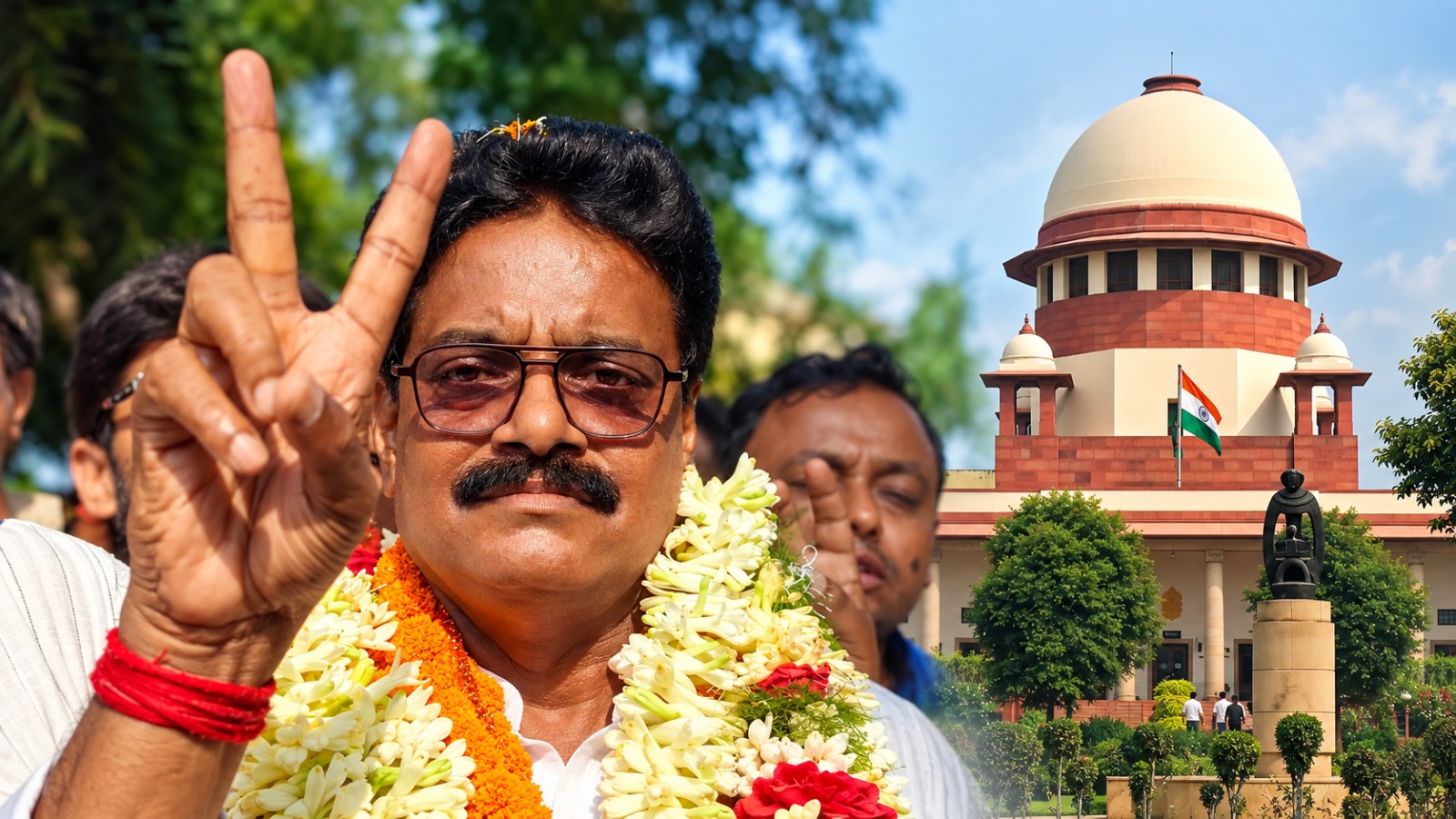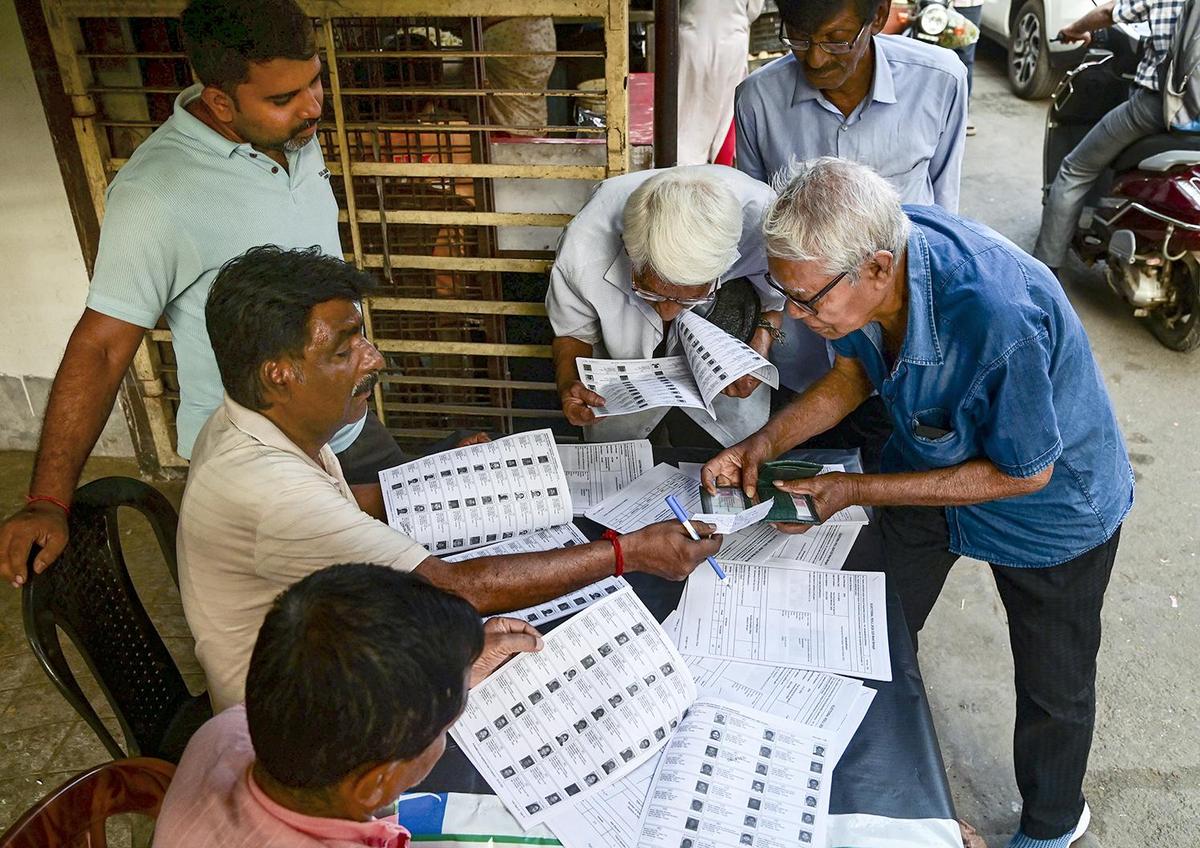
The Election Commission of India has told the Supreme Court that appellate tribunals in West Bengal have so far decided a little over one lakh of the more than 38 lakh appeals arising from the Special Intensive Revision of electoral rolls - and that about 93 per cent of those decided cases have ended with names being put back on the list.
The figures, placed before a bench headed by Chief Justice of India Surya Kant, capture both the scale of the dispute and how slowly it is moving. Most of the people whose cases have been allowed had already missed the 2026 Assembly election. Their names are now returning to the rolls after the poll.
Affidavits filed in mid-September 2026 put the total number of appeals before the Supreme Court-mandated appellate tribunals at about 38.2–38.3 lakh. One set of numbers showed 1,02,231 disposals and 37,18,452 pending cases. A later annexure cited 1,26,194 appeals decided by 16 September, with more than 37 lakh still waiting.
Of the decided matters reported in the annexure, 1,13,943 appellants satisfied the tribunals that the earlier exclusion was wrong and were restored to the electoral roll. About 8,649 appeals were rejected. That works out to a restoration rate of roughly 93 per cent among cases that have reached a final order.
The Commission has also now given a split the Court had asked for. About 22.21 lakh appeals were filed by people whose names were deleted and who want to be included again. That is about 82 per cent of the 27.16 lakh electors found “excludable” after judicial officers examined cases marked for adjudication. Another 16.10 lakh appeals challenge the inclusion of names.
The SIR in West Bengal produced a much larger contested pile than in several other States. After the draft and final rolls, roughly 60 lakh cases were sent to judicial officers for adjudication of “logical discrepancies” and related categories. Those officers ordered deletion in 27.16 lakh of those files. Combined with earlier deletions at the draft and final-roll stage, published estimates of total names removed from the pre-SIR electorate of about 7.6 crore ran to around 90 lakh.
The Supreme Court then directed the creation of appellate tribunals so that anyone struck off could challenge the finding. Nineteen tribunals, later reported as 24 in one annexure, began work in mid-April 2026 - days before the first phase of the Assembly polls on 23 April. The Court had already allowed the final roll of 28 February to be used for the election, with later tribunal orders to be given effect through supplementary lists.
Very few names came back in time to vote. Early public lists showed only a few thousand restorations before the two phases of polling. The large majority of successful appellants are therefore people who were off the roll on polling day and have been added afterwards.
Disposal remains a small fraction of the stock. Five to six months after the tribunals started, only about 3 per cent of appeals have been closed. At the monthly rate implied by the later affidavit - roughly 25,000 cases if every day is treated as a working day - clearing more than 37 lakh pending appeals would take well over a decade. One calculation placed before readers after the filing put the figure at about 146 months, or more than 12 years, if the present speed does not change.
That is the arithmetic behind the warning that, without a sharp increase in capacity, many appellants will remain off the roll through the next general election cycle as well as local body polls. The Commission has asked the Court to consider more tribunals. The bench had earlier said exclusion appeals should be prioritised because they take away an existing right to vote, while challenges to inclusion do not.
The ECI has told the Court that treating every deletion as effective disenfranchisement is misleading. It says a large share of removals fall in the absent, shifted, dead or duplicate categories. Once those entries are set aside, it argues, deletions in several constituencies were smaller than the victory margins, and so did not decide the Assembly result. It has also said cases with ready documentary proof have tended to be heard first, which may inflate the early restoration rate.
Petitioners, including Congress leader Prasenjit Bose and Trinamool Congress MP Derek O’Brien, have pressed for constituency-wise data, a clear standard operating procedure for the tribunals, public notice of hearing dates, and speaking orders. They have pointed to the mismatch between the volume of appeals and the number of sitting benches.