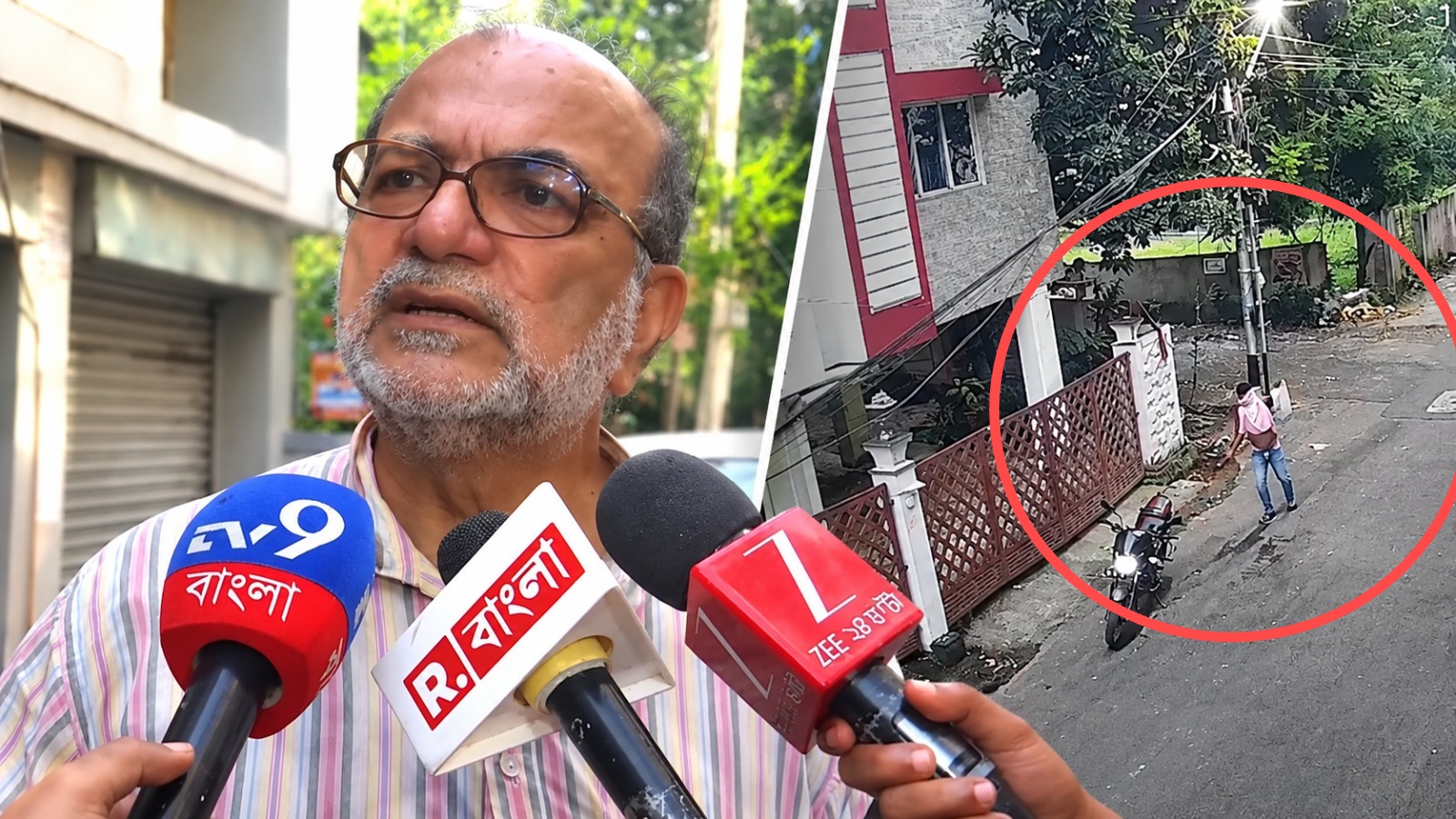
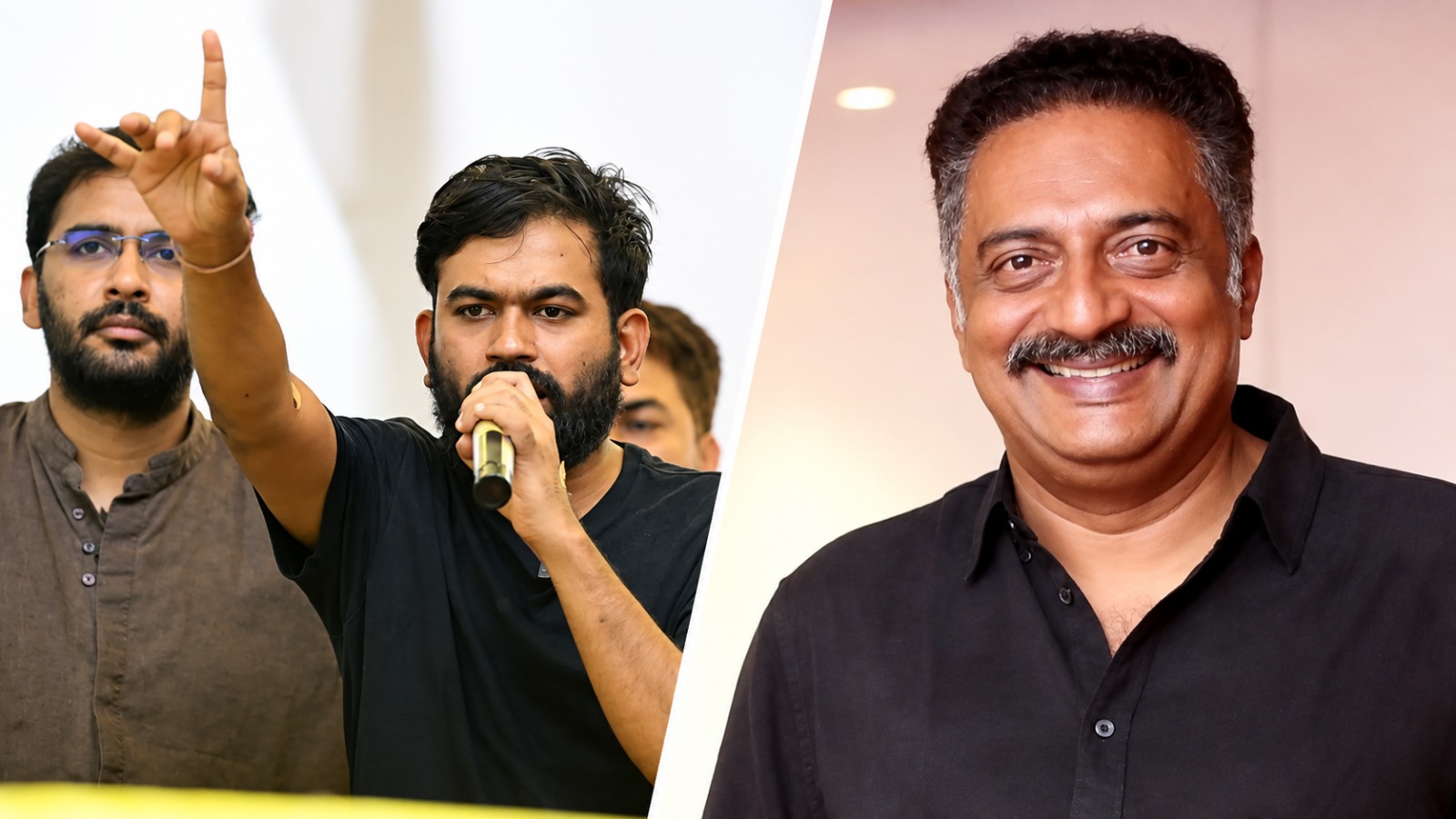
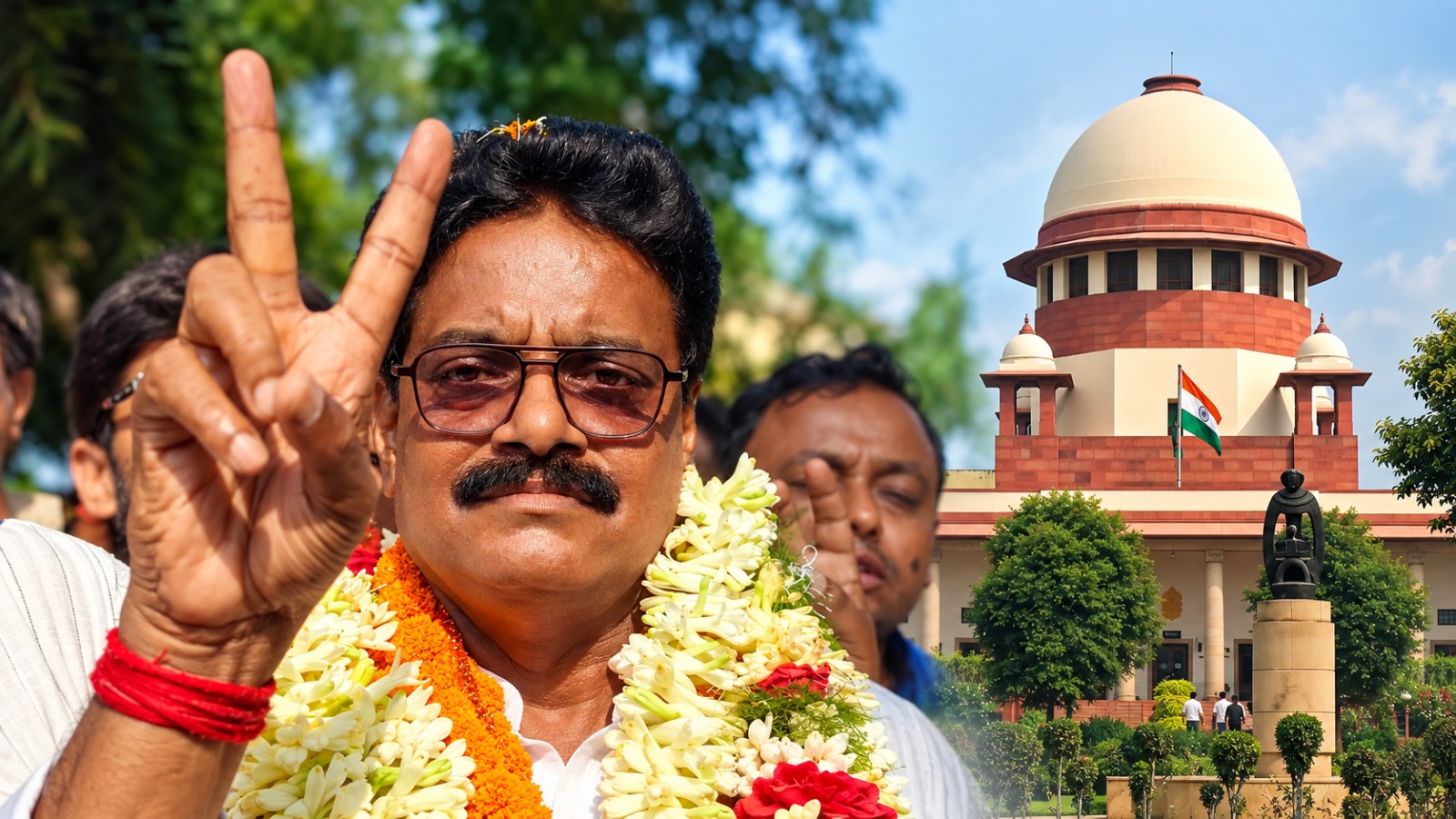
“I would much rather not live,” the words did not come as a slogan. They did not rise with the cadence of protest chants that echoed through central Kolkata on Tuesday afternoon. They came quieter, heavier, spoken by 40-year-old Sheikh Faridul Islam, his voice cutting through the heat and the noise with a kind of finality that lingered long after he stopped speaking. He is among the 27 lakh voters, deleted by the ongoing Special Intensive Revision in Bengal. Islam, has written to the Supreme Court of India and the President, praying to grant him the wish to take his own life, after being denied the right to vote.
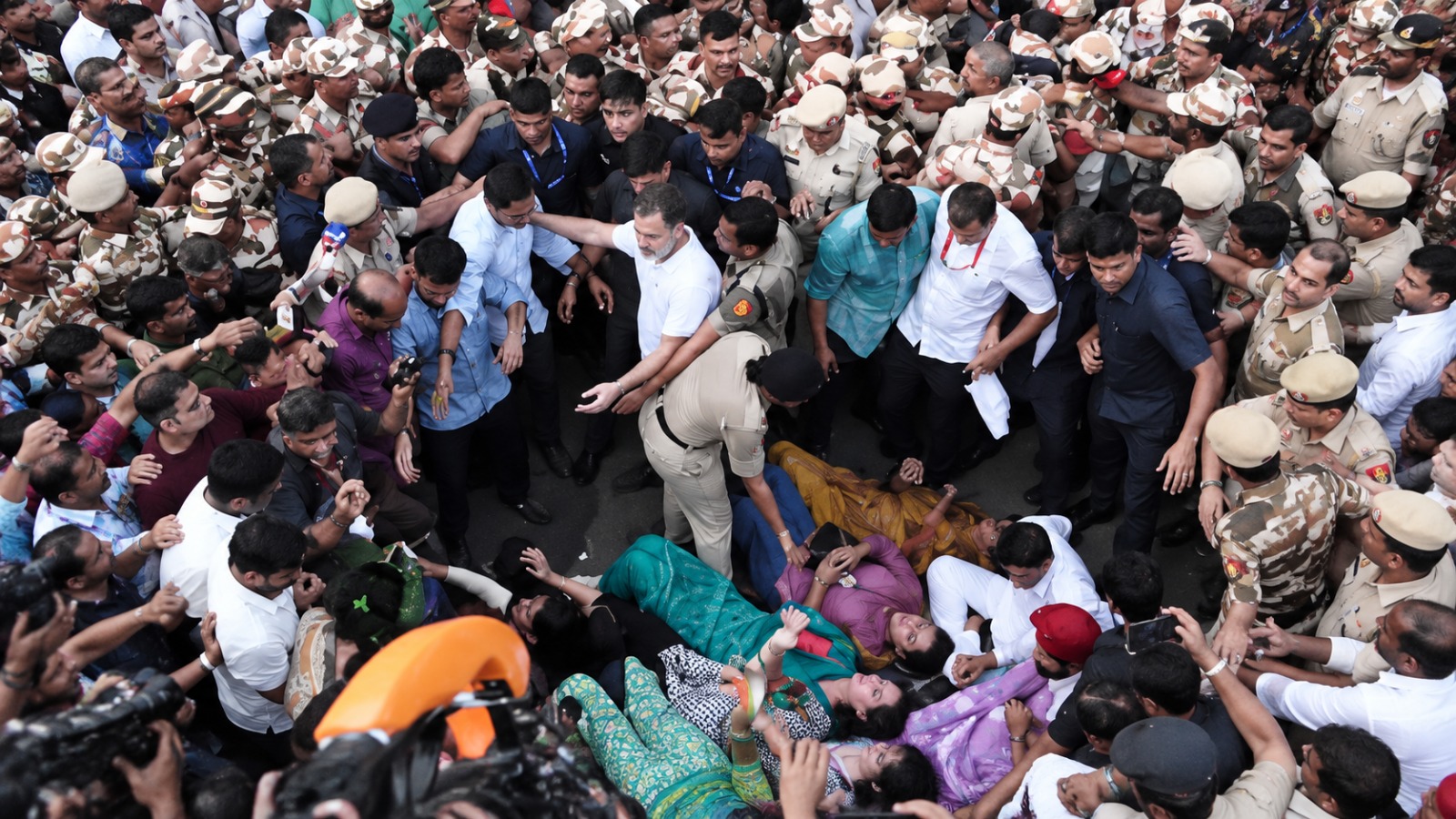
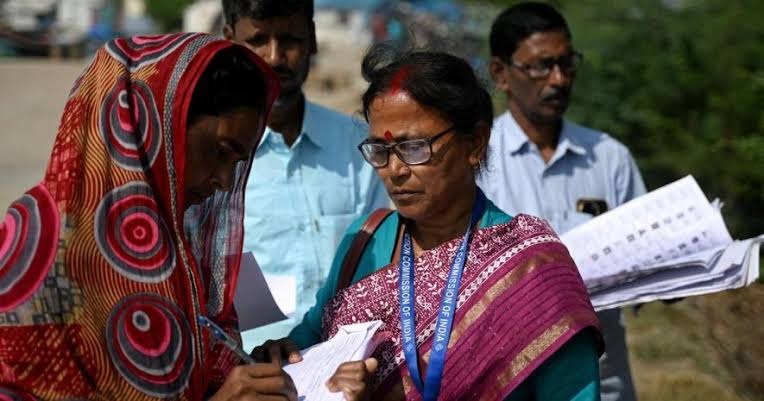
Under a punishing April sun, people disenfranchised by SIR, gathered to lodge their protest, organised by the Vote Adhikar Rokkha Mancha. On one side of the street, protesters raised slogans against what they called a systematic disenfranchisement of Bengal’s voters. On the other, life moved on, hawkers called out prices, bargaining voices rose and fell, the smell of frying snacks drifted through the air. Between urgency and indifference, anger and routine, stood hundreds who said they had been deleted by the Election Commission of India.
“I have written to the Supreme Court of India and the President of India, asking them to grant me the wish to take my own life,” Faridul said, his hands trembling slightly as he spoke. “The state has disenfranchised 91 lakh people, stripped us of our vote, our voice, our dignity, and pushed us to the very edge of existence.” Around him, a murmur of agreement rippled through the crowd.
Sheikh Faridul Islam says his name was deleted not because of fraud or ineligibility, but because of a spelling discrepancy, a mismatch between how his name appears in English and Bengali. A clerical error, he insists, one that has now cost him his place in the world’s largest democracy. “My name has been deleted over a spelling error that isn’t even mine,” he said. “The difference between how my name appears in English and Bengali has become my crime. The Election Commission of India made the mistake, and I am being punished for it,” he lamented, adding that he has all requisite documents charted out by the EC, and yet, he was removed from the rolls.
“They got my name wrong in Bengali. They replaced my father’s name with my mother’s. Even her name is misspelled. Every line in the voter roll is an error, and every error is a blow to my identity,” Faridul said.
Behind him, placards bobbed in the heat, “No SIR”, “Restore Our Names”. Slogans rose again, louder this time, as if to drown out the quiet despair that hung in the pauses between speeches.
“They say we can sit out one election. But this is not about one election, this is about erasure,” Faridul said. “Today it’s voter lists, tomorrow it will be citizenship papers. We will be labelled ‘ghuspethias’ and thrown out. If the right to vote goes, what remains of our citizenship?” For many like Faridul, the fear goes beyond one election. “This is not governance. This is torture. This is harassment,” Faridul continued, his voice rising now. “Today they erase us from voter lists, tomorrow they will push us into detention camps, and then across borders. We will be branded outsiders in our own land.”
For Faridul, the personal has become inseparable from the political. He speaks of his family often, his wife, his parents, his young son, as both anchor and anguish. “This decision is for him,” he said, pausing briefly. “So he does not have to grow up facing this humiliation, this fear. If my life can secure his future, then so be it.”
Then, almost in the same breath, the defiance returns. “I am not surrendering easily. I will fight till my last breath,” he said. “But if my death ensures justice for millions, then I am ready. Because what is life without rights, without dignity, without a voice?”
Organisers of the protest accused the authorities of weaponising bureaucratic processes, turning documentation into a tool of exclusion. “Name CAA, NRC, some 400–500 people in Parliament pass laws that can strip millions of their identity, and we are expected to accept this quietly?” Faridul asked. “No. People must rise. The fight for our rights cannot be outsourced; it has to be fought on the streets.”
As the protest wore on, the chants grew hoarser, the crowd slightly thinner, the shadows a little longer. But Faridul remained, speaking, repeating, insisting. “This is not just the failure of the Election Commission of India,” he said finally. “This is the politics of exclusion, and we are the ones being made to pay the price.”