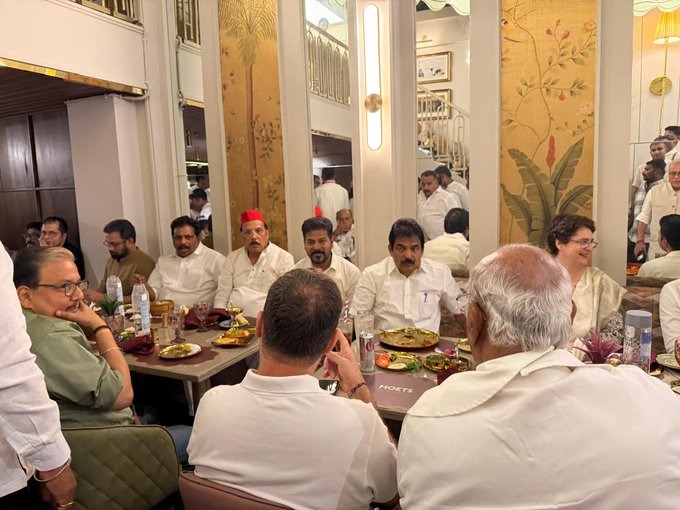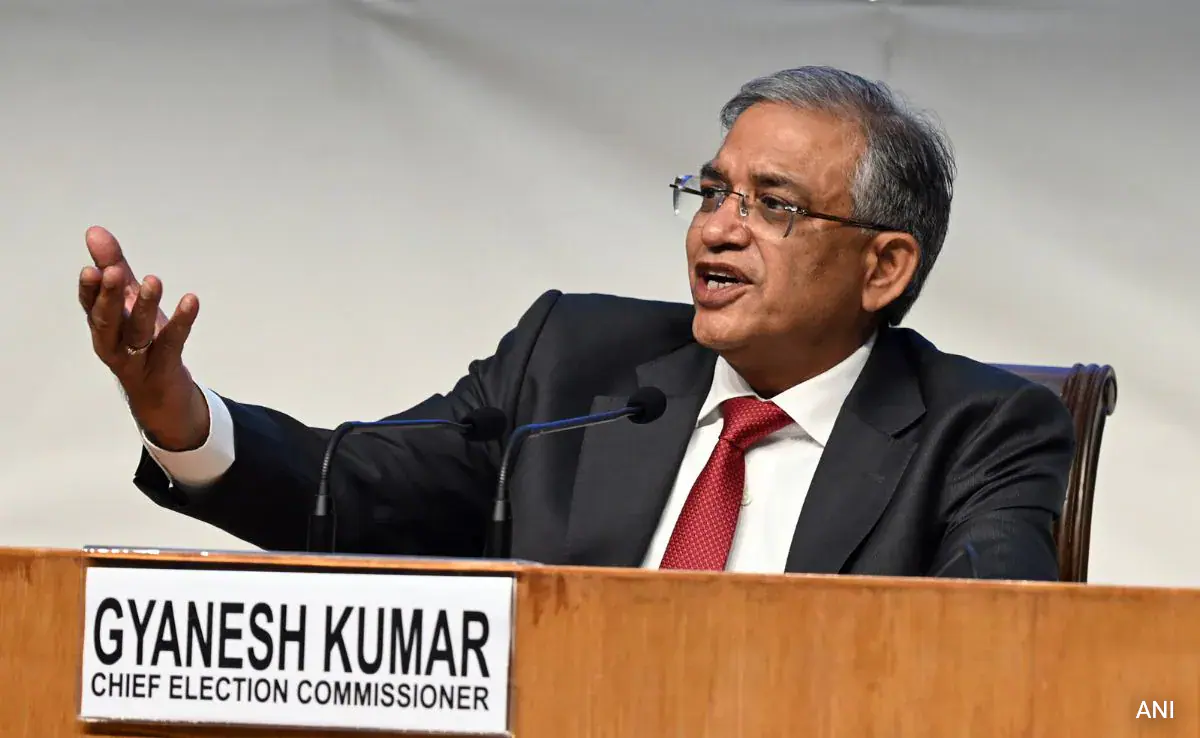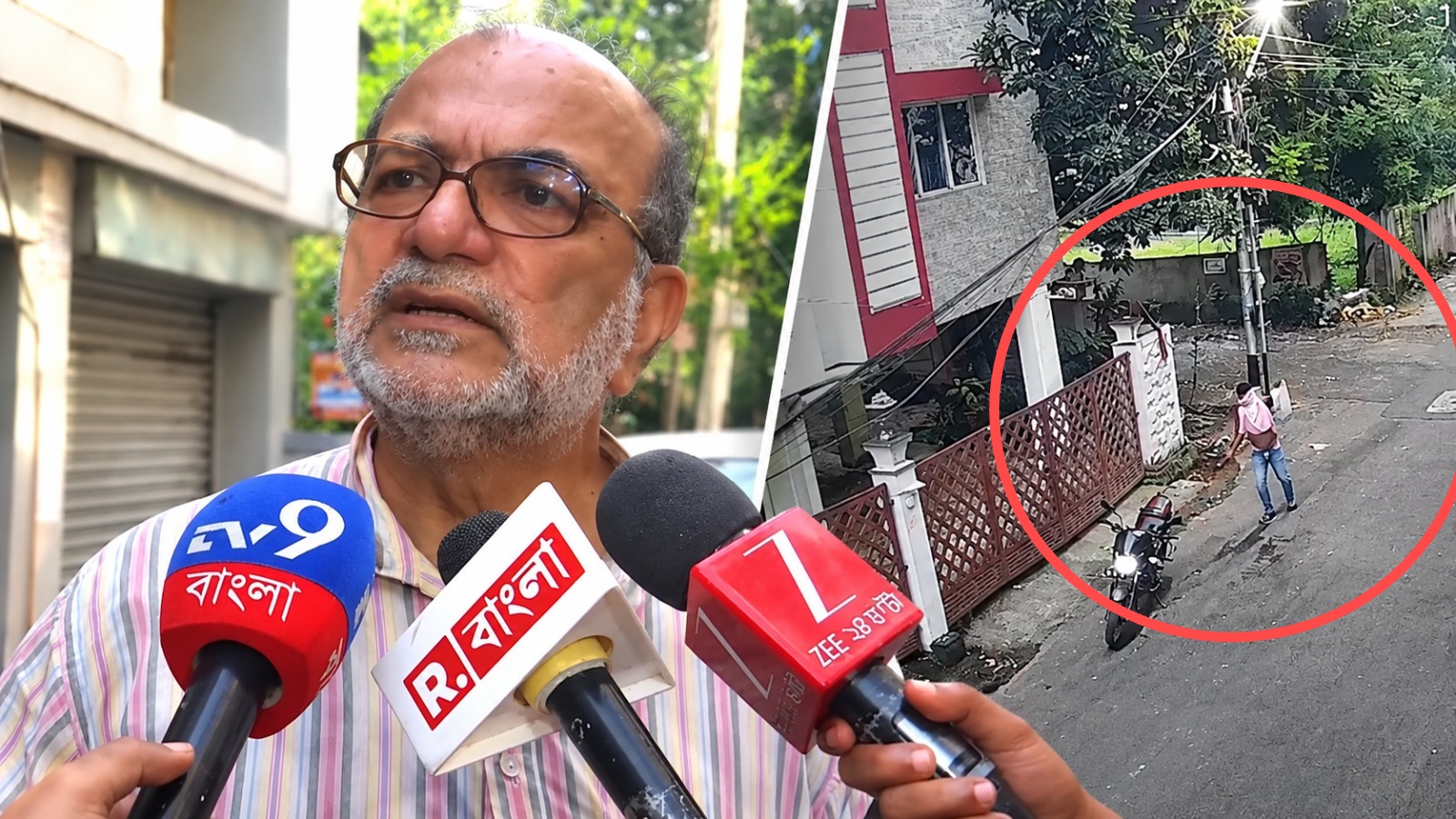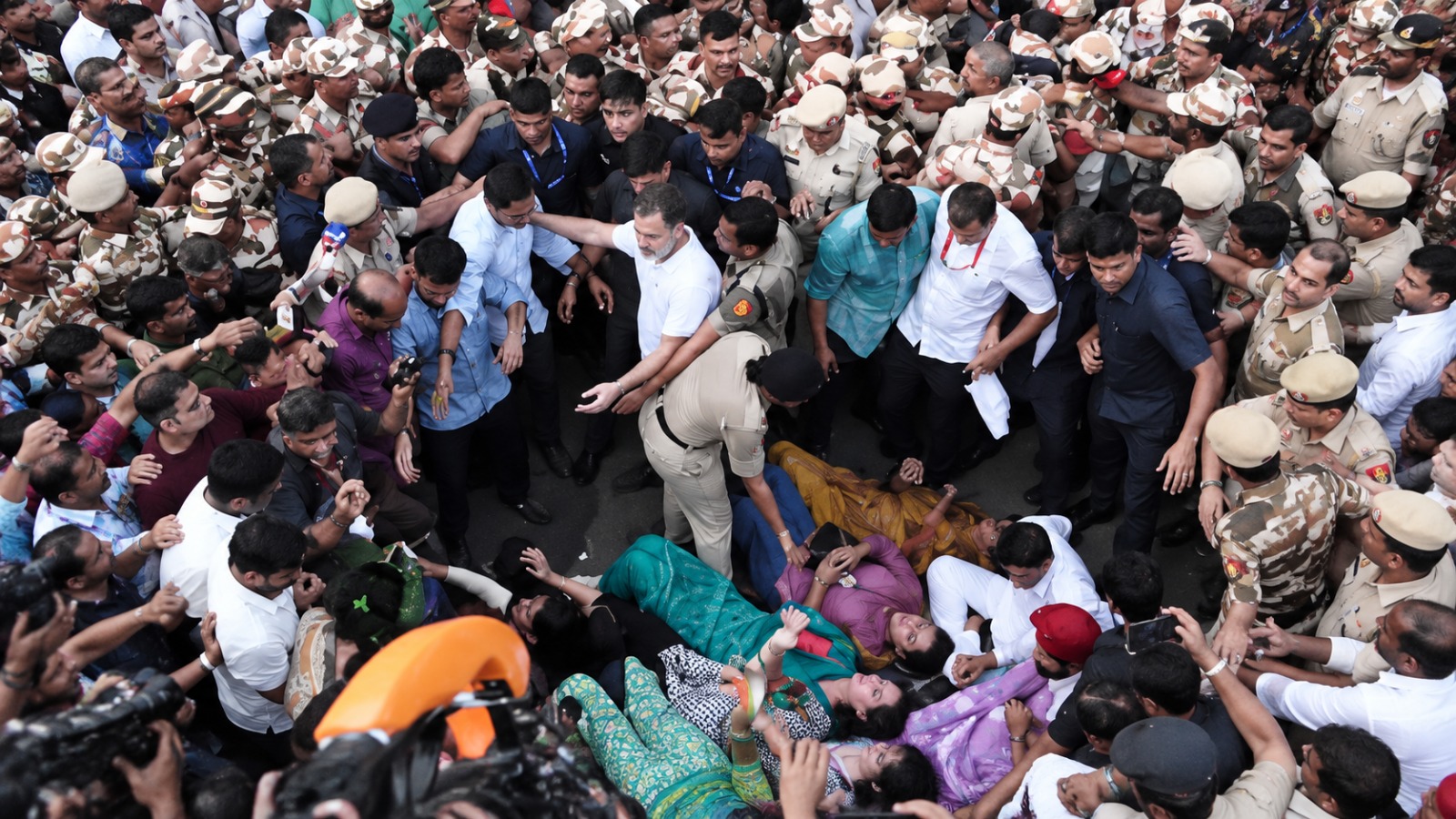
In one of the most unusual twists in recent Indian political history, the Nationalist Citizens Party of India (NCPI) - until recently a virtually unknown regional outfit - has suddenly emerged as the new political home for nearly 20 rebel Trinamool Congress Lok Sabha MPs. With this merger, the party has catapulted from electoral irrelevance to becoming the second-largest constituent of the NDA in the Lower House, behind only the BJP. But who exactly are the Nationalist Citizens Party of India, and what does this alliance mean for Indian politics?
Origins?
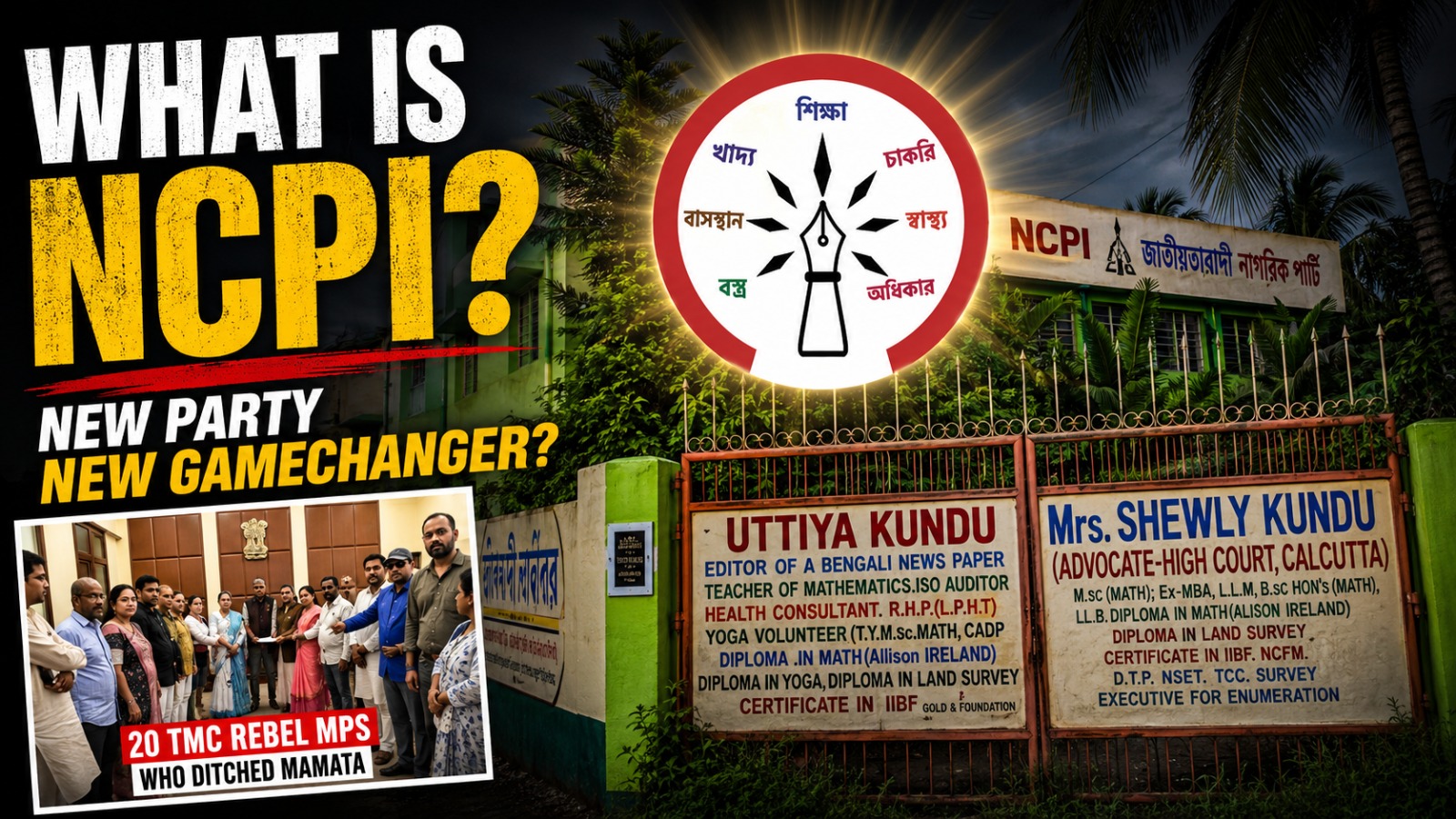
The NCPI was formally registered with the Election Commission of India (ECI) as a Registered Unrecognised Political Party (RUPP) on January 20, 2023. Its headquarters is listed at Jago Biswa, Holding No. 4719, Village Hatgacha, Post Office Banipur, Police Station Sankrail, Howrah district, West Bengal (Pin 711304). The party maintains a modest presence across parts of eastern and northeastern India, including West Bengal, Tripura, and Assam.
Leadership revolves around the Kundu family. Uttiya Kundu serves as president, while his wife, Shewly Kundu, is the treasurer. Shewly Kundu is also associated with social work initiatives and private entities registered at the same Howrah address. Another figure, Santanu Dey, has been active as a party functionary and has described himself in interviews as an RSS-linked social worker involved in efforts to represent deprived communities.
Prior to the TMC rebels’ move, NCPI had almost no national visibility. In the 2023 Tripura Assembly elections - its first notable outing - the party fielded candidates primarily in tribal areas of the Tripura Tribal Areas Autonomous District Council (TTAADC). It aimed to highlight issues faced by local communities but achieved negligible success.
Only a handful of candidates actually contested under the party banner after several nominations were rejected. The party’s total vote count hovered around 1,200 across constituencies like Chawmanu (536 votes), Kailashahar (286 votes), and a few independents backed informally. Candidates later reported minimal campaign support, with party leaders from Kolkata briefly engaging locals before fading away post-polls.
Financially, the party reported modest donations of around Rs 1.13 lakh in its early records. It has no significant legislative presence in any state assembly and had zero MPs before this merger. Its election symbol is an “ink pen nib with seven strokes” or seven rays, reflecting a simple, educational or writing-themed motif common among smaller outfits.
Ideology?
NCPI positions itself as a nationalist, citizen-centric regional force with friendly ties toward the BJP-led NDA. Leaders have emphasised development, social welfare, and representation for marginalised groups in the Northeast and Bengal. However, with limited public documents or manifestos available, its ideological depth remains opaque to most observers. The party’s quick alignment with the NDA through the TMC rebels suggests pragmatic flexibility over rigid ideology.
For the rebel TMC MPs, NCPI offered a ready-made, recognised regional platform to execute a two-thirds merger under the anti-defection law’s provisions. This bypasses immediate disqualification risks while allowing them to claim a fresh identity and extend support to the NDA. Rebel leaders like Sudip Bandyopadhyay described it as a “recognised regional party,” underscoring its legal utility despite its obscurity.
Critics, however, view the arrangement as a convenient vehicle, an obscure outfit suddenly thrust into the limelight to facilitate a larger political realignment. Some former Tripura candidates have expressed surprise at the development, noting they lost contact with the party years ago. The NCPI’s transformation raises several questions. Will it now expand aggressively in West Bengal, absorbing more TMC dissidents at the assembly level? Can a party with such thin organisational roots effectively manage a bloc of experienced parliamentarians? Legal and organisational challenges from Mamata Banerjee’s side are expected, particularly if disputes over recognition escalate to the ECI.