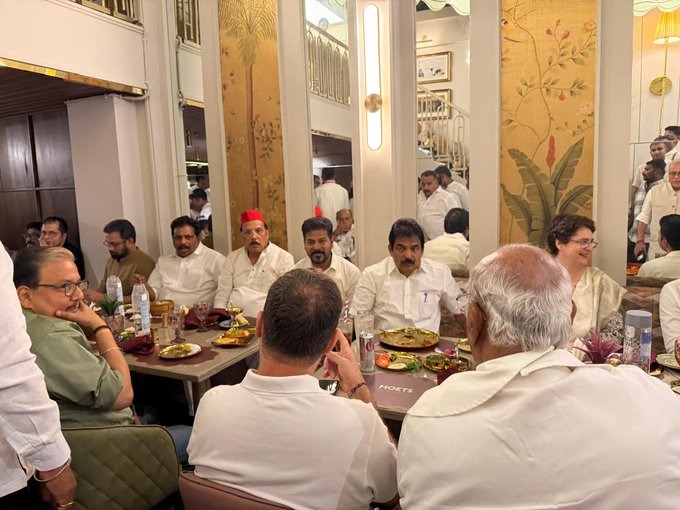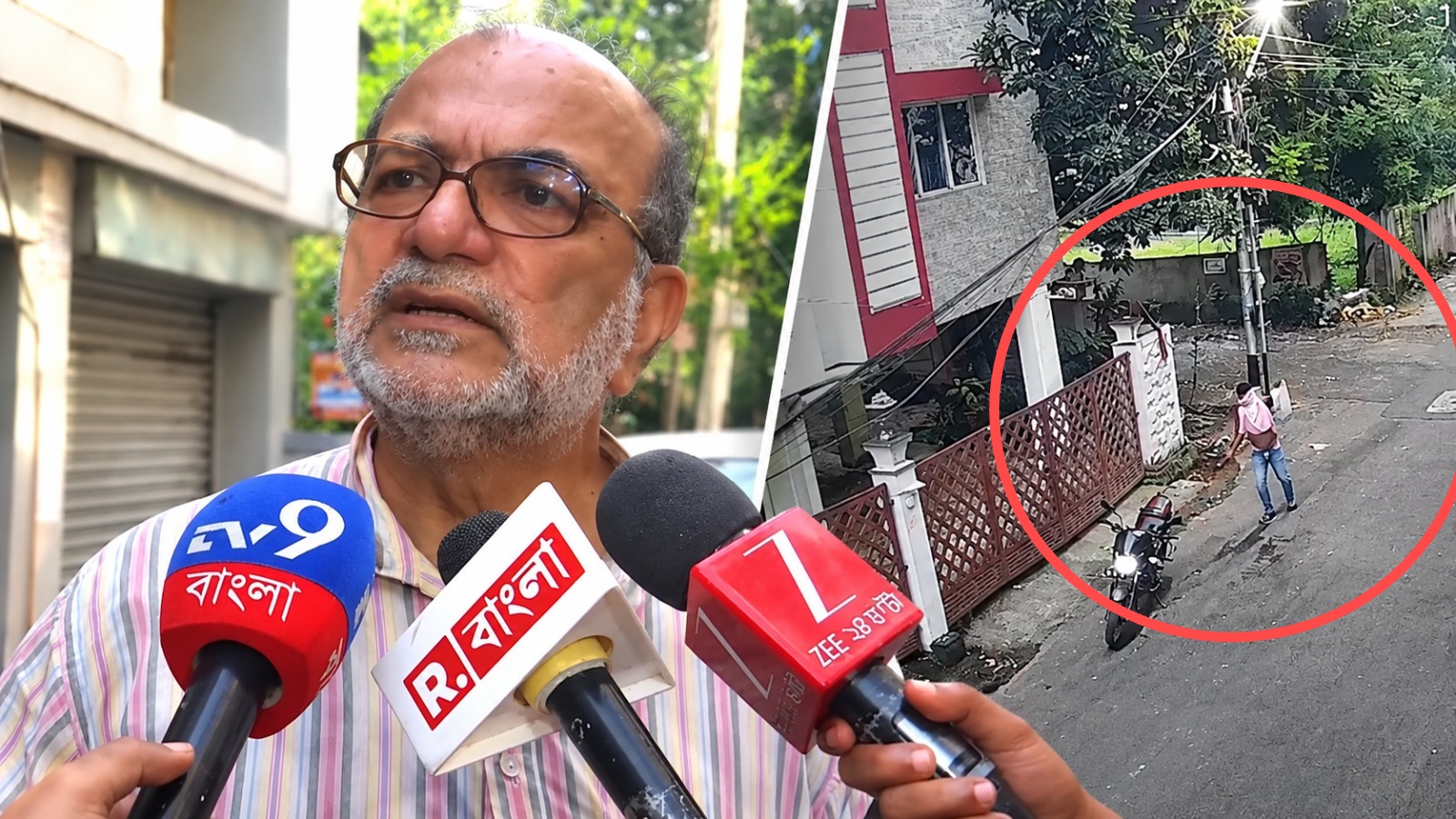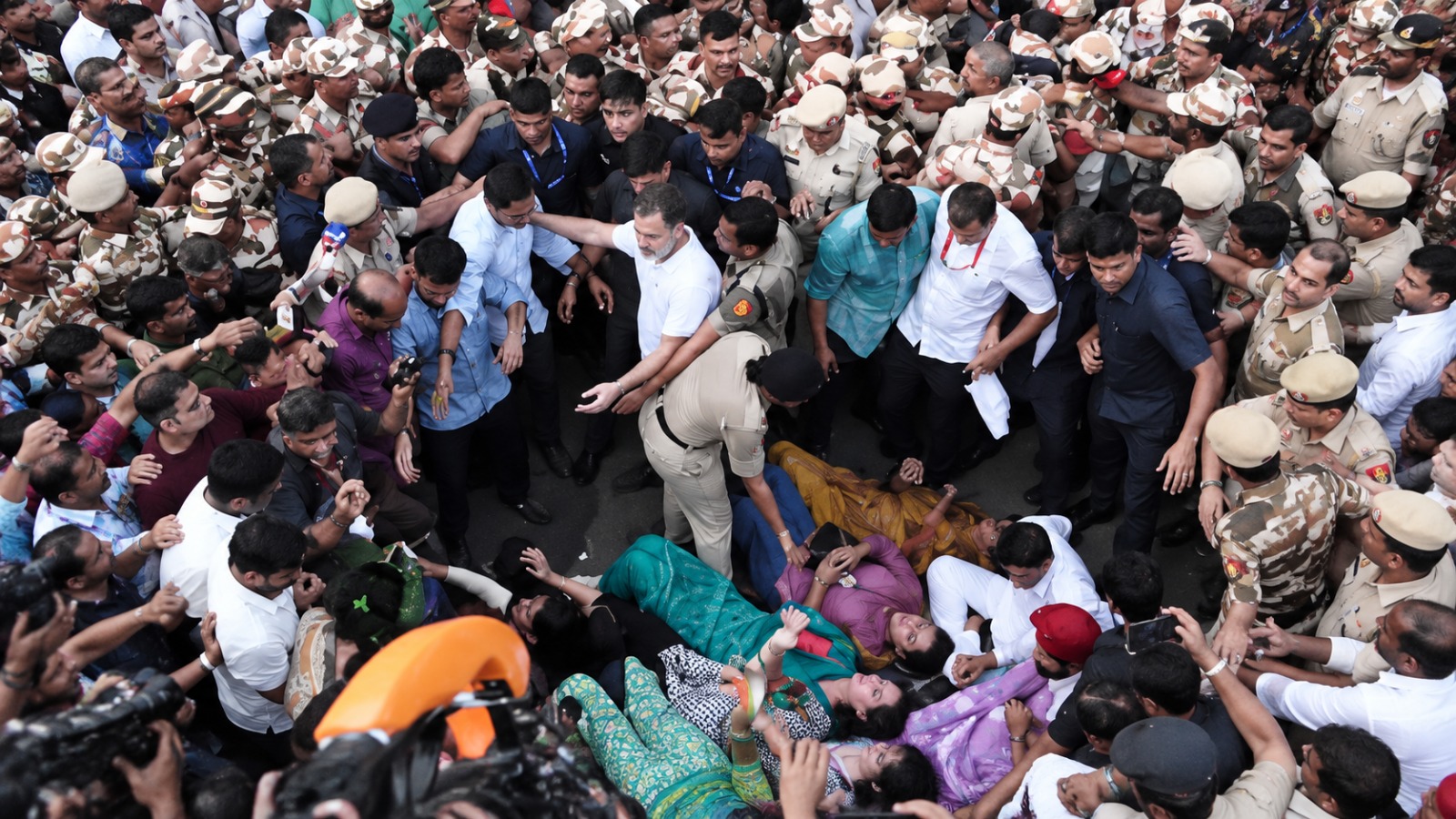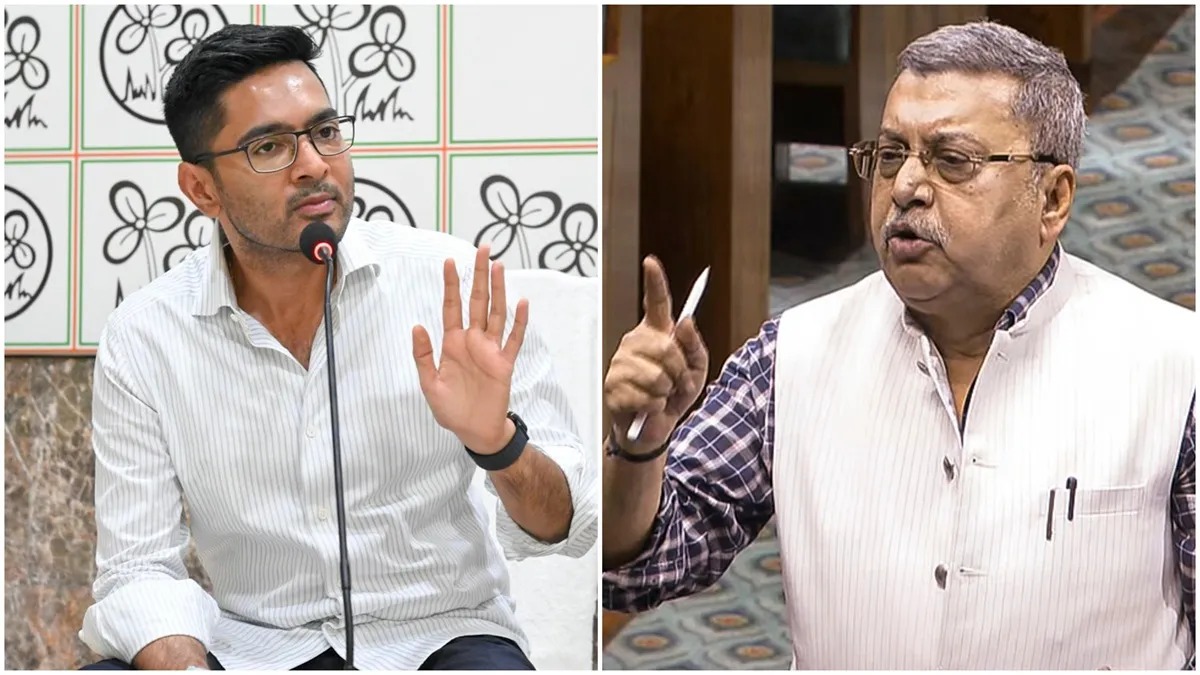
Senior Trinamool Congress leader Kalyan Banerjee on Saturday softened his stance towards party national general secretary Abhishek Banerjee saying that Abhishek is “like my son” and that it's a father's duty to forgive his son. The remarks come days after Kalyan Banerjee publicly criticised Abhishek and accused him of being “arrogant.”
"He is like my son. It is the work of the father to forgive all faults made by a son. Democracy is under threat in the country. West Bengal never faced a situation where the opposition was wiped out. This CM is vindictive. This is a danger for democracy," he told ANI.
The latest statement is being seen as an attempt to ease tensions within the Trinamool Congress (TMC). Kalyan Banerjee said that despite differences, he does not hold any personal grudge against Abhishek and believes relationships within the party should be maintained.
The controversy began when Kalyan Banerjee withdrew from representing Abhishek in the Calcutta High Court case and openly criticised his conduct. He even suggested that party Chief Mamata Banerjee should choose between him and Abhishek.
Responding to the earlier criticism, Abhishek said that Kalyan Banerjee was a senior leader who had seen him grow up and therefore had the right to make harsh comments.
The senior TMC leader also spoke on dissident MPs prepared to approach Lok Sabha Speaker Om Birla.
"Let them do what they want. They will have to live under the shelter of the BJP. All this is a ploy. They cite the reason as development of their constituencies, but those who cannot even visit their constituencies, so what work will they do. When democracy has finished in West Bengal. What development has been done in the last one month, even after talks with the CM? BJP is harassing us, the police are harassing us. No Opposition in West Bengal has ever faced such a thing as what we are facing. The 19 MPs who are going to BJP, will not be accepted by the BJP."
The exchange had drawn attention amid reports of internal disagreements within TMC, though both leaders now signalled a more conciliatory approach.