The Supreme Court on Thursday agreed to examine whether the Delhi Police’s use of facial recognition and biometric surveillance on protesters at Jantar Mantar has legal sanction and whether such monitoring infringes fundamental rights.
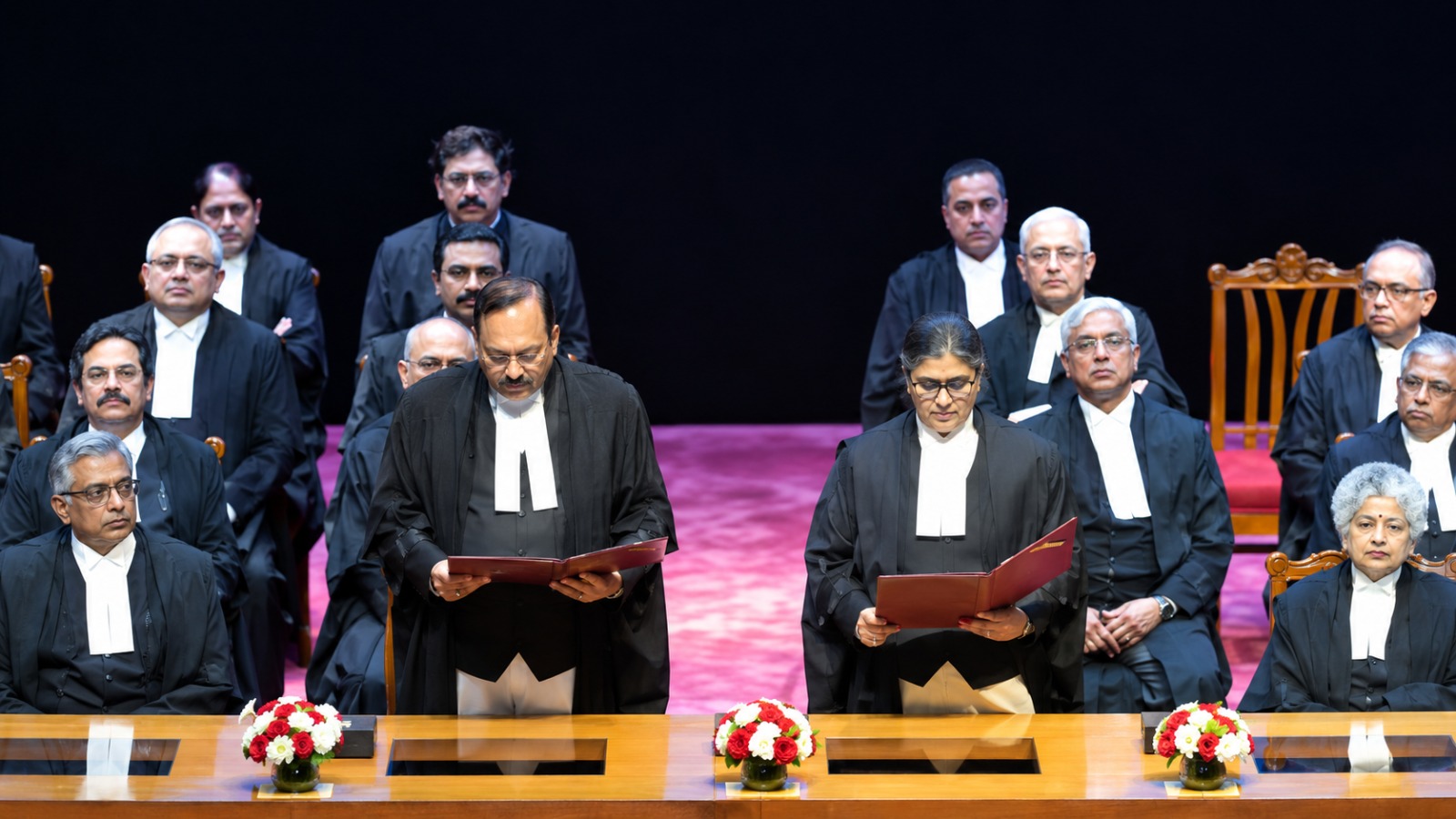
A bench headed by Chief Justice of India Surya Kant, along with Justices Joymalya Bagchi and V Mohana, issued notices to the Centre and the Delhi Police commissioner on a PIL filed by CPI(M) Rajya Sabha MP AA Rahim. The petition challenges the alleged use of facial recognition technology, AI-based surveillance and biometric identification during protests at Jantar Mantar.
Senior advocate Menaka Guruswamy, appearing for Rahim, told the court that the case specifically concerns the alleged use of facial recognition against protesters and the storage of collected data by private companies. “This is very specific prayer concerning facial recognition being used by the Delhi Police against protesters, and the data is held with private companies,” she said.
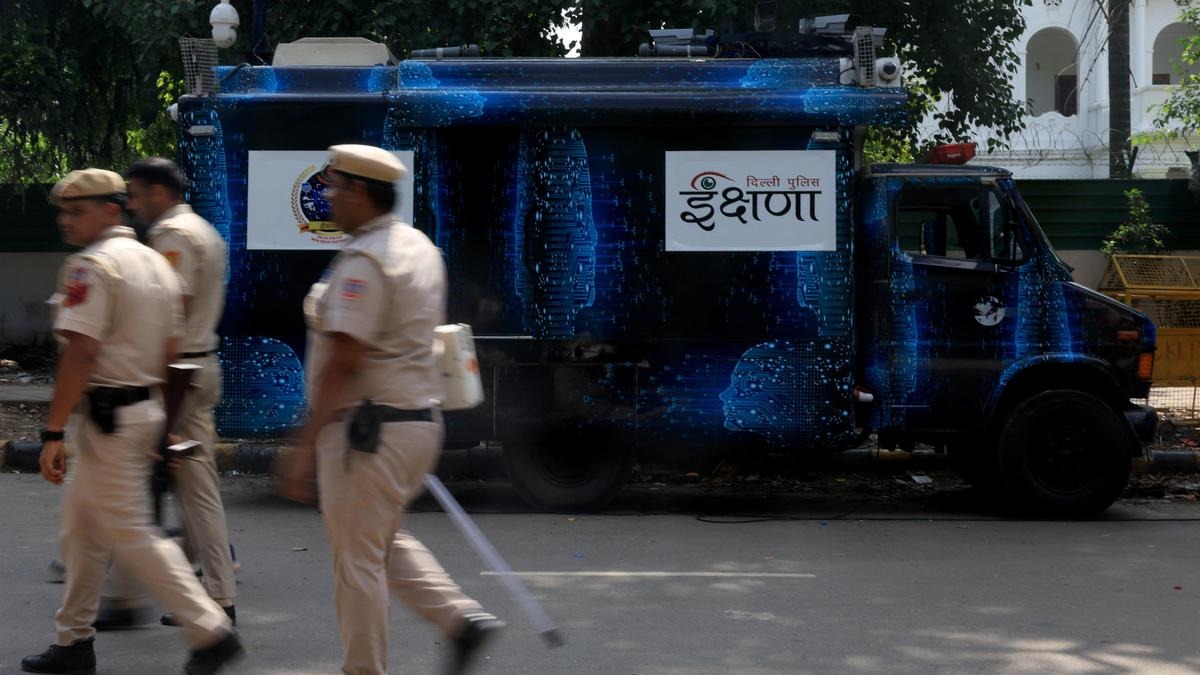
Guruswamy alleged that surveillance was conducted using a facial recognition vehicle and smart glasses, with protesters’ data collected without their consent. “One maps your face and one is a vehicle. So spectacles are used and a vehicle is also used. And that data is all taken without permission. These private entities host the data,” she told the bench, adding that the practice would be challenged under the Digital Personal Data Protection framework and other laws.
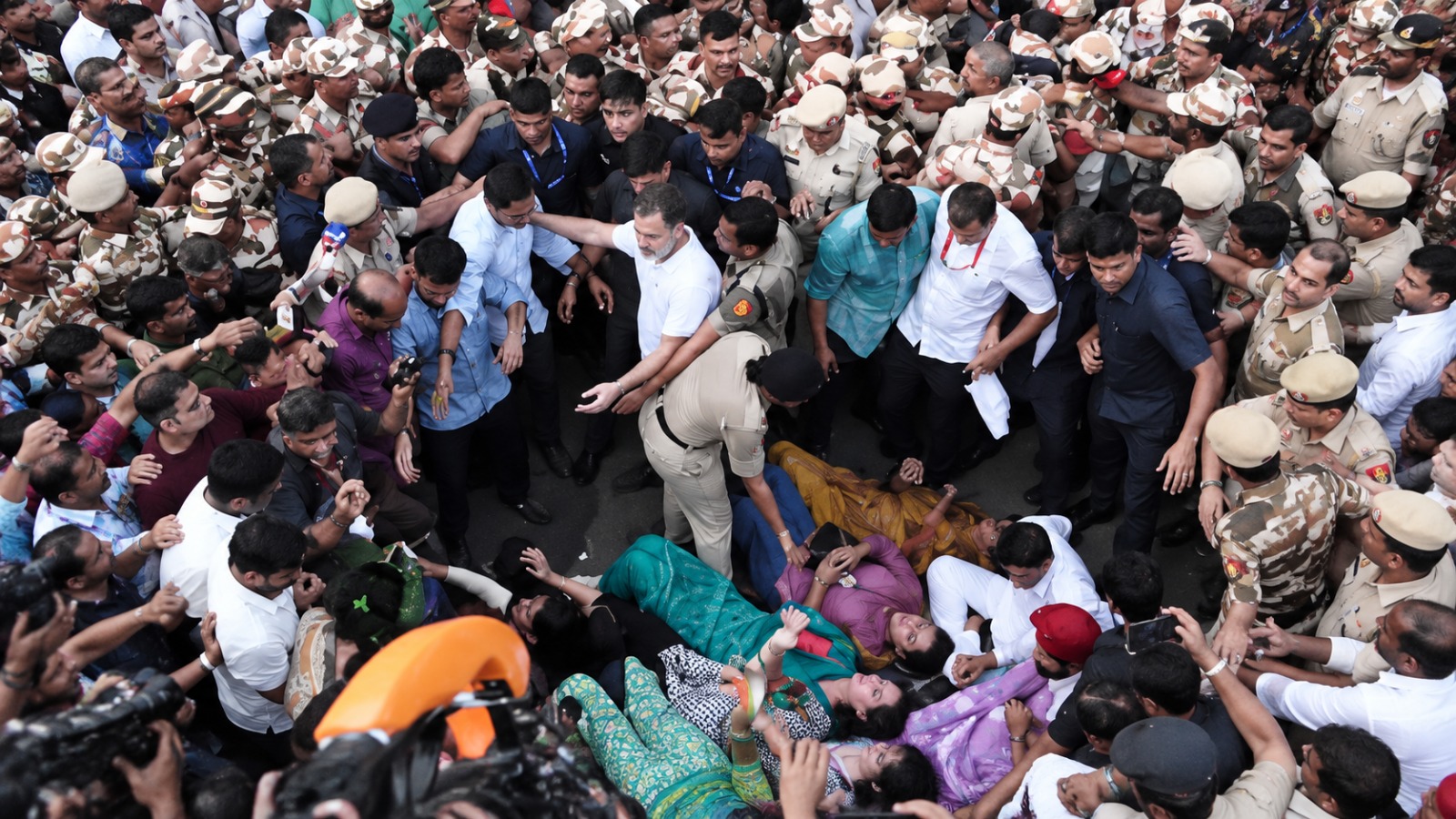
The court directed that the petition be heard alongside other cases concerning the July 20 ‘Sansad Chalo’ protest, including allegations of police excesses and the use of pellet guns.
According to the PIL, thousands of protesters, journalists and others at Jantar Mantar have allegedly been subjected to continuous biometric surveillance since a sit-in began there on June 20. AA Rahim has asked the court to declare indiscriminate facial recognition and biometric surveillance of peaceful protesters unconstitutional. The plea also seeks a direction preventing the Delhi Police from using such technology until Parliament enacts a law specifically regulating it.
The petition alleges that surveillance involved CCTV cameras, drones, a Mobile Command and Control Vehicle, handheld devices, the ‘Ikshana’ facial recognition vehicle and ‘AjnaLens’ smart glasses. It also alleges that fingerprints were collected through the NCRB’s ‘Abhigyan’ application and checked against the National Automated Fingerprint Identification System (NAFIS).
The plea argues that there is currently no law permitting biometric surveillance of people taking part in lawful protests. It also seeks disclosure of the technologies, databases, standard operating procedures and private vendor agreements allegedly used during the demonstrations.
Rahim has further sought the deletion of protesters’ biometric information from police databases and mechanisms allowing individuals to find out whether their data was collected and request its removal.
The petition invokes the Supreme Court’s 2017 privacy ruling in KS Puttaswamy, arguing that the alleged surveillance fails the constitutional tests of legality, legitimate purpose and proportionality. It also claims that widespread facial recognition could have a “chilling effect” on free speech and peaceful assembly, protected under Articles 19(1)(a) and 19(1)(b), while raising concerns over indefinite retention and possible sharing of biometric data.
Two private firms, Aditya Infotech Ltd and Dimension NXG Pvt Ltd, have also been named respondents over their alleged involvement in supplying the facial recognition vehicle and smart glasses respectively.