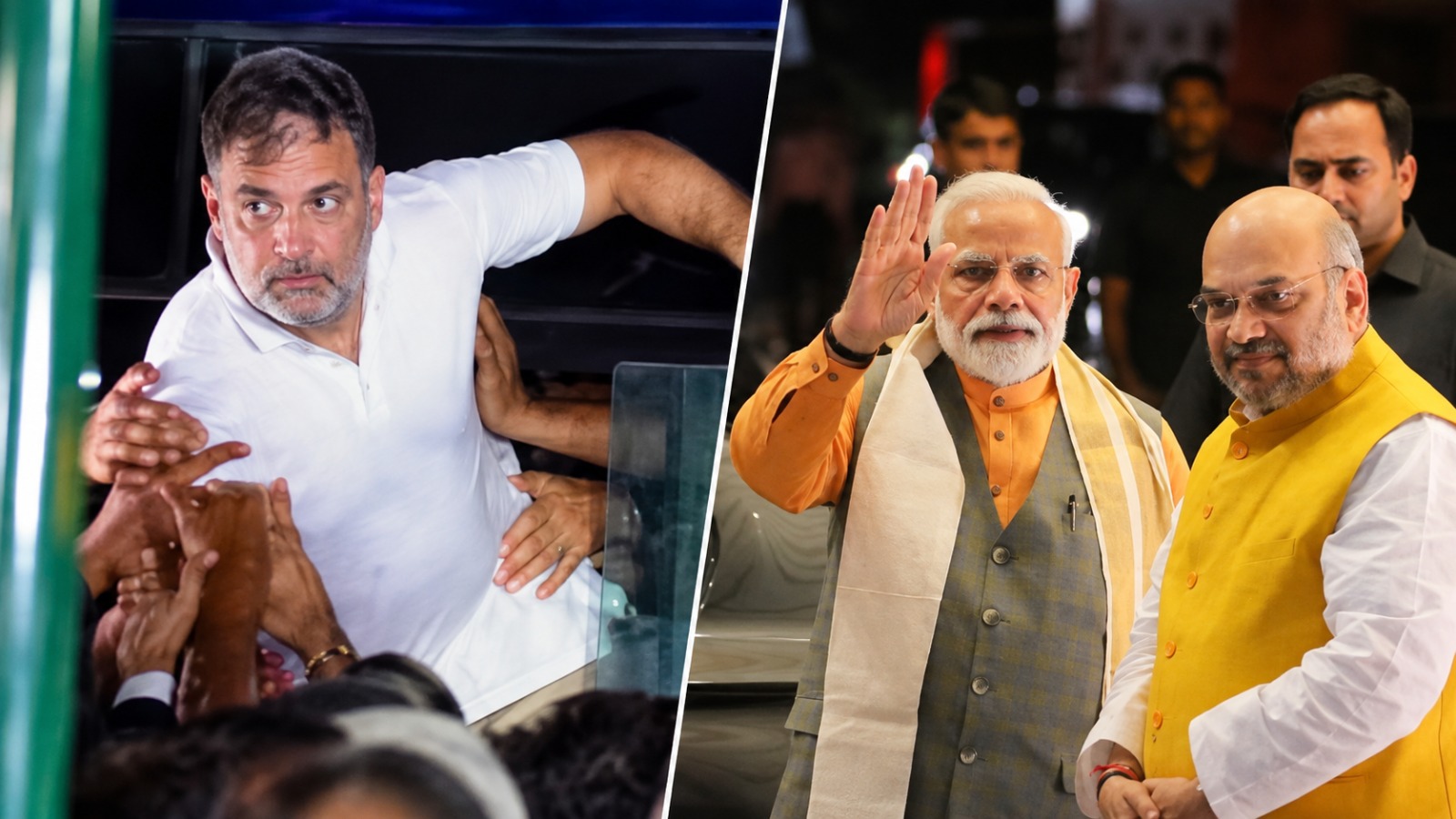

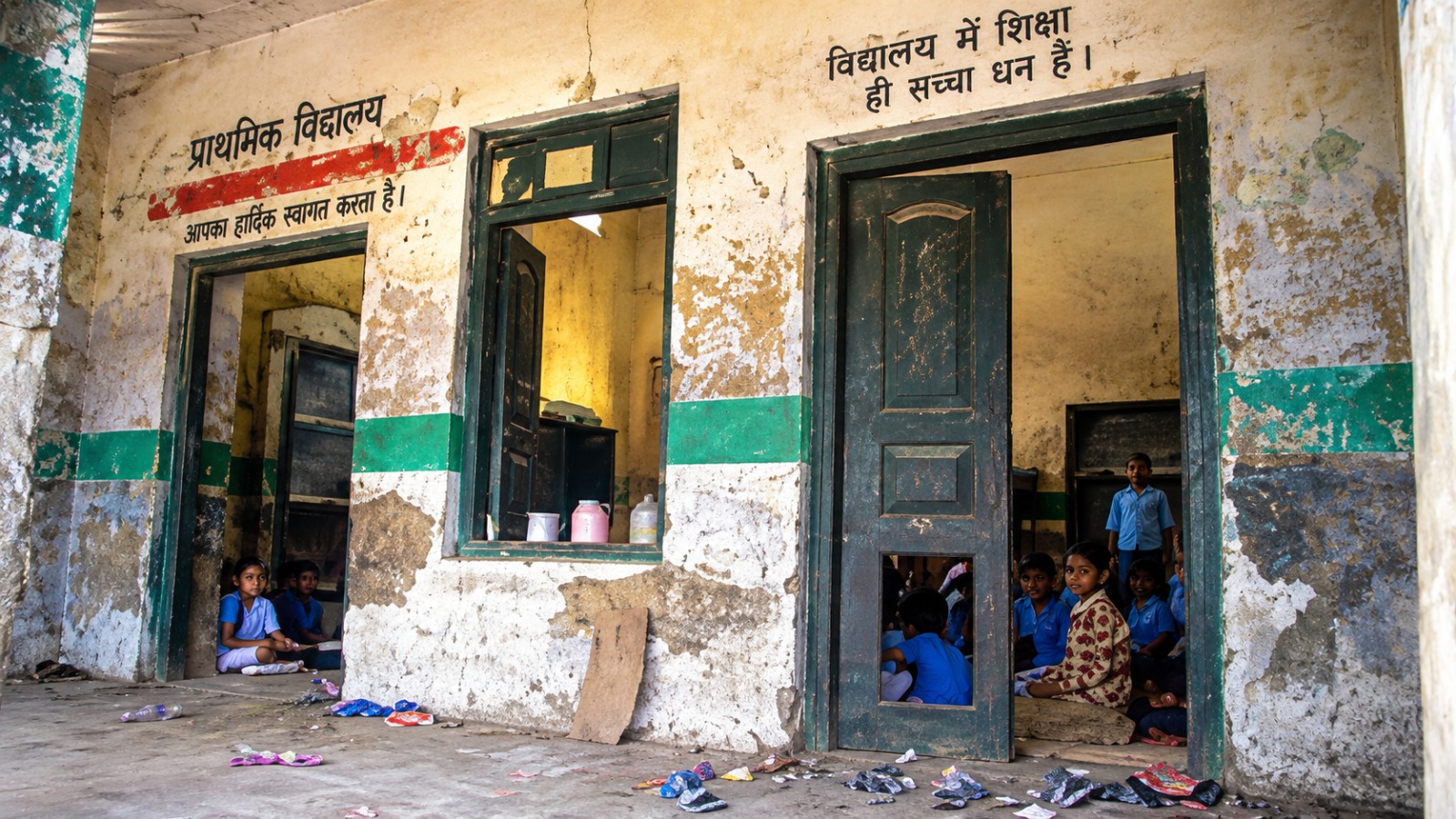
The Rajasthan government has tightened rules governing access to government schools, restricting the entry of outsiders and requiring prior written permission for photography and videography on school premises. The move comes shortly after the CJP announced plans to inspect government schools it says are in poor condition.
The new directions were issued by the Directorate of Secondary Education on Sunday evening, amid reports of protests at some government schools over alleged shortages of teachers and inadequate facilities.
CJP Announces Statewide School Inspections
CJP co-convenor Ashutosh Ranka had announced earlier on Sunday that the organisation would visit schools across Rajasthan following complaints about poor infrastructure and alleged administrative inaction.
Ranka said requests had come from several districts, including Jaipur, Ajmer, Jodhpur, Udaipur, Dholpur, Bharatpur, Kota, Barmer and Hanumangarh.
“I will be visiting all these locations over the next few days,” Ranka said, alleging that authorities had failed to respond to demands for improvements in schools.
Hours later, the state education department issued its circular, citing the need to protect the safety, privacy and dignity of students.
Outsiders Need Principal’s Permission
Under the new guidelines, people who are not government officials authorised for official duties cannot enter a government school without prior permission from the principal or head of the institution.
Visitors will also be required to register their details in the school’s visitor register.
The rules further restrict unauthorised access to classrooms, laboratories, libraries, hostels, playgrounds, toilets and other areas where students are present. Visitors entering such areas must be accompanied by the principal, a teacher or another authorised school official.
Photography, Videography Also Restricted
The department has also barred photography, videography, interviews, audio recordings and live streaming involving students, teachers or school activities without prior written approval from the principal.
School authorities have been instructed to ensure that photographs, videos or personal information of students are not collected or shared without parental or guardian consent where doing so could compromise a child’s privacy, dignity or safety.
The department said the measures were based on constitutional privacy protections, Supreme Court jurisprudence and child-protection guidelines, with the stated objective of maintaining a safe and child-friendly environment in schools.
Principals have also been given powers to deny entry where a visitor’s presence could affect security, discipline, privacy or the educational environment.
Congress Calls Move an Attempt to Hide Shortcomings
The restrictions have drawn criticism from Rajasthan Assembly Leader of Opposition Tika Ram Jully, who accused the BJP government of attempting to prevent public scrutiny of government schools rather than fixing their problems.
Jully warned that the Congress could launch a “civil disobedience movement” if the government did not withdraw the directions.
Criticising the move, Jully said, “The BJP government has found an excellent solution to broken roofs, leaking classrooms and an acute shortage of teachers.”
Instead of addressing these problems, he alleged, the government was attempting to prevent them from being documented.
“Now no one will be able to enter without permission so that the reality does not come out,” Jully said.