The Maharashtra government has expanded its drought relief coverage to 305 of the state’s 358 talukas, with Chief Minister Devendra Fadnavis announcing an interim payment of ₹5,000 to farmers before Diwali. The latest decision brings more than 85% of the state’s talukas under the drought-hit category, following the addition of 40 regions to the 265 declared drought-affected last month.
“Drought was initially declared in 265 talukas. After evaluating complaints, 40 additional talukas were added, bringing the total to 305 talukas. All 12 standard state drought relief concessions are now extended to these talukas,” Fadnavis told reporters after a Cabinet meeting on Wednesday. The Chief Minister said the advance payment would provide immediate support while formal assessments and administrative procedures for comprehensive relief were completed.
Devendra Fadnavis said the government had issued a supplementary Government Resolution adding the 40 talukas to the drought list. He noted that drought declarations typically come by the end of November, with assistance following in December, but the severity of the situation had prompted an earlier announcement this year.
The relief package includes crop loan restructuring, land revenue concessions and electricity bill subsidies. An additional 3.5 lakh farmers have also been included in the process for scheduled debt relief payments, he said. Fadnavis said district central co-operative banks and credit societies had been warned against coercive loan recovery and harassment of farmers. Similar measures were being pursued with private banks and financial institutions. No coercive recovery is permitted for outstanding electricity bills, while agricultural pumps of up to 7.5 horsepower receive free electricity under the state’s policy, he added.
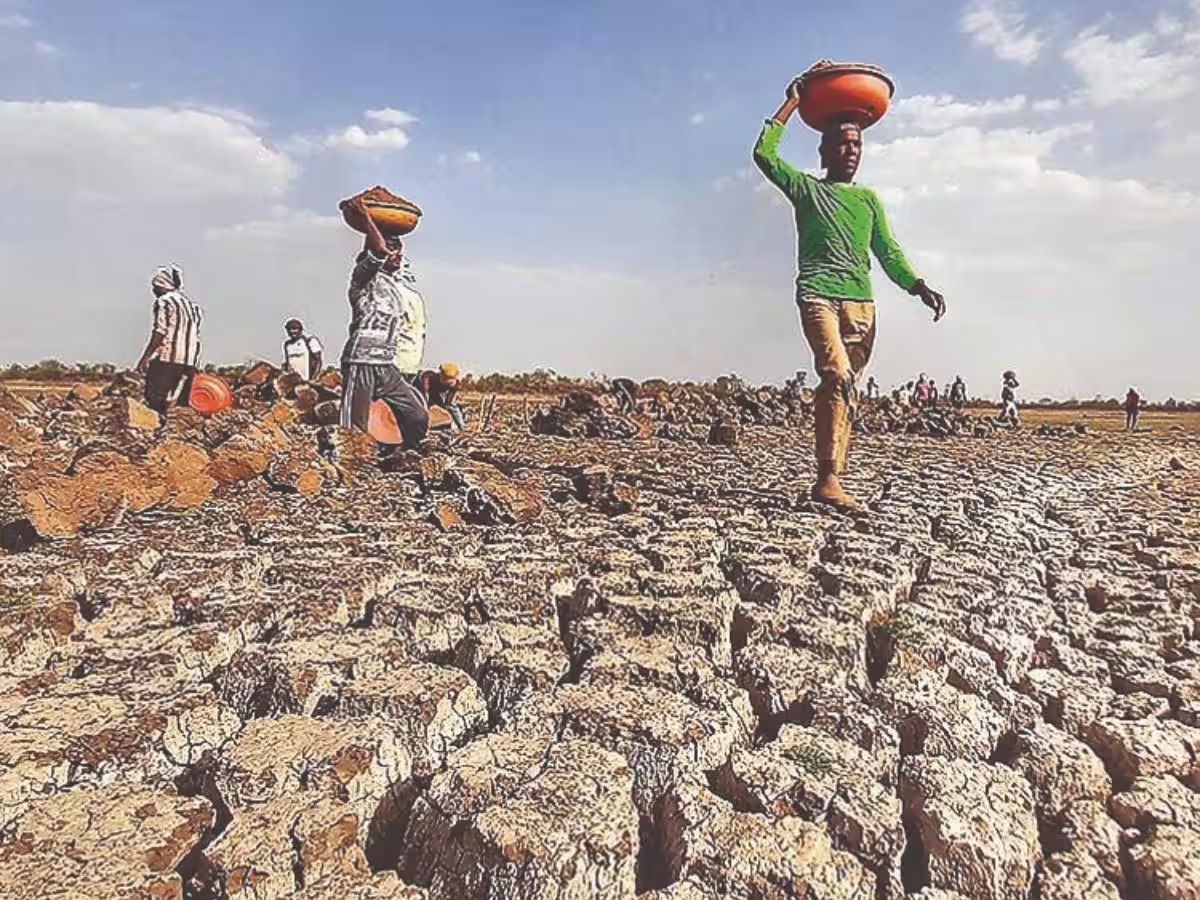
The government is preparing to deploy water tankers early in drought-affected areas, particularly in Marathwada, where groundwater levels in observation wells have fallen below three metres. Tankers will be monitored through GPS, Fadnavis said. Nearly 16,000 illegal water connections have been disconnected to protect drinking water supplies, with the government adopting a strict approach towards unauthorised extraction.
Fodder reserves currently range from around 90 days to seven months, depending on the region. Farmers in areas with adequate irrigation or dam water have been encouraged to grow rabi jowar and fodder crops. Fadnavis said the government was committed to purchasing all harvested fodder at the minimum support price (MSP).