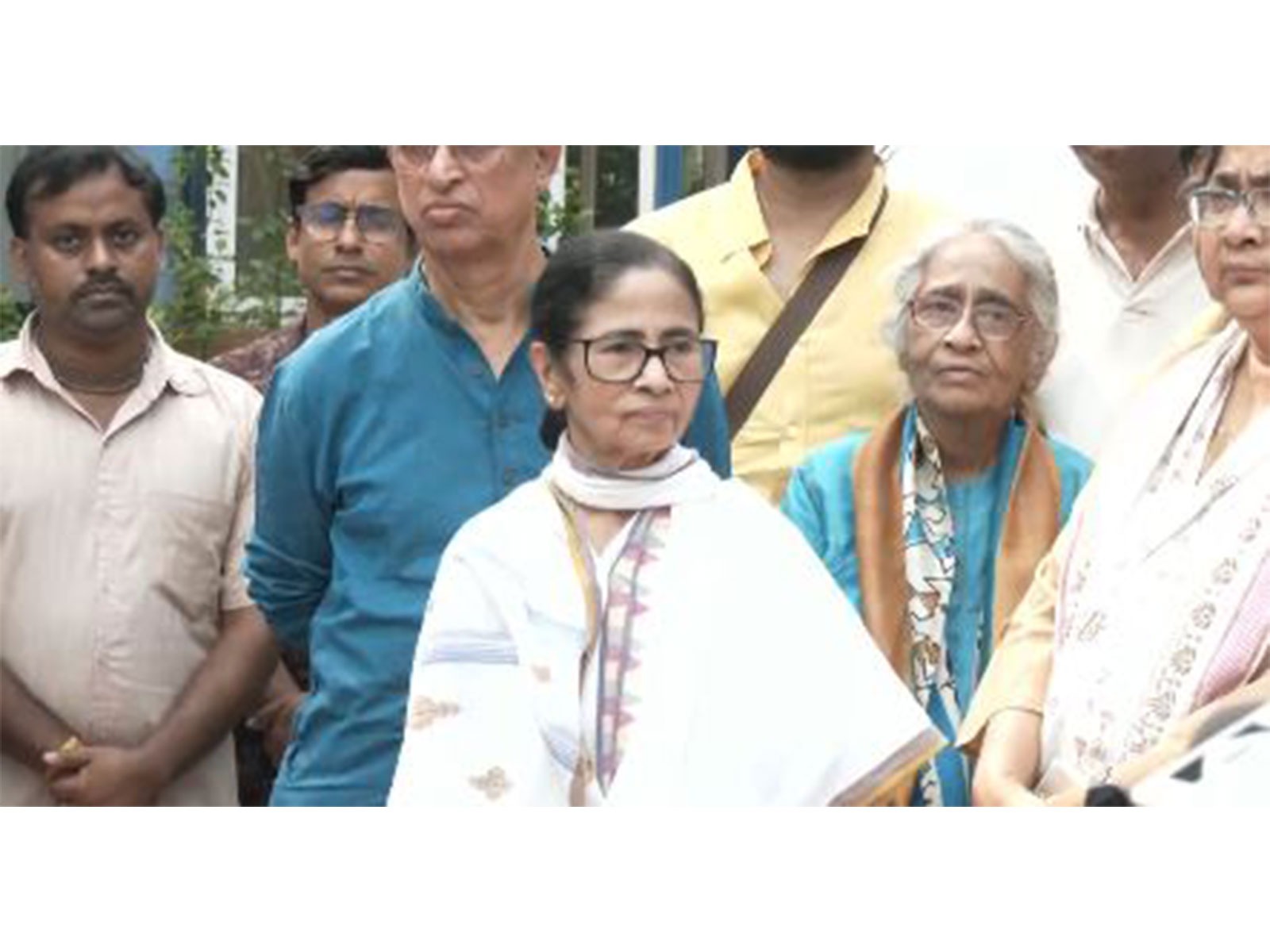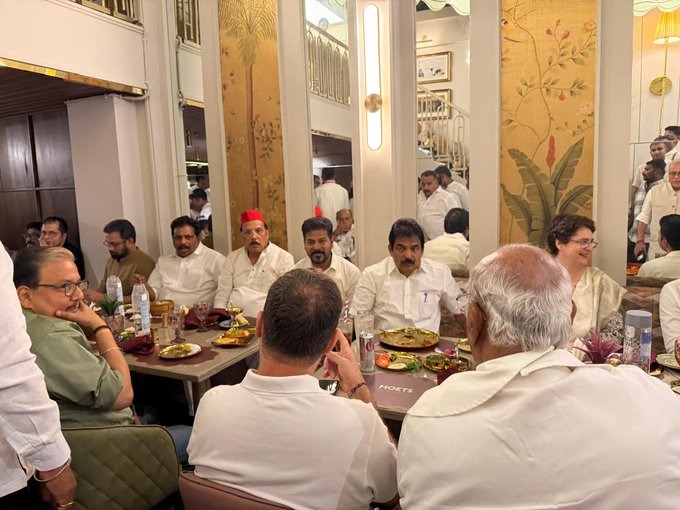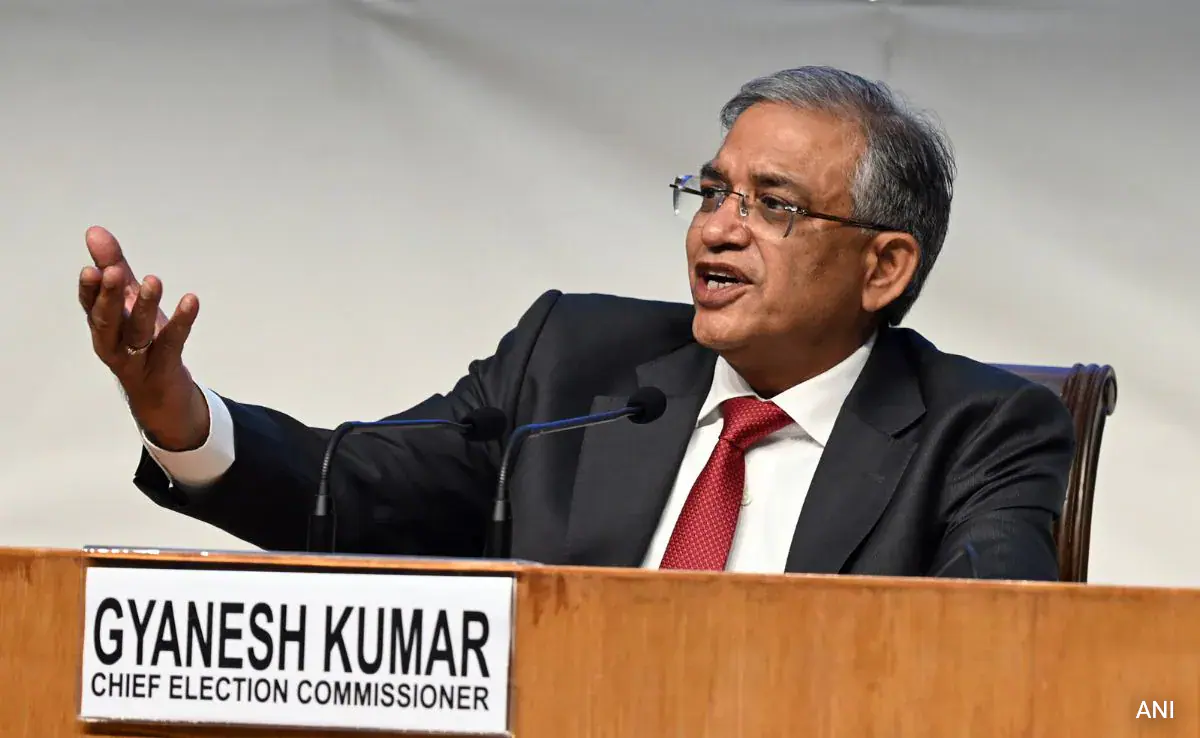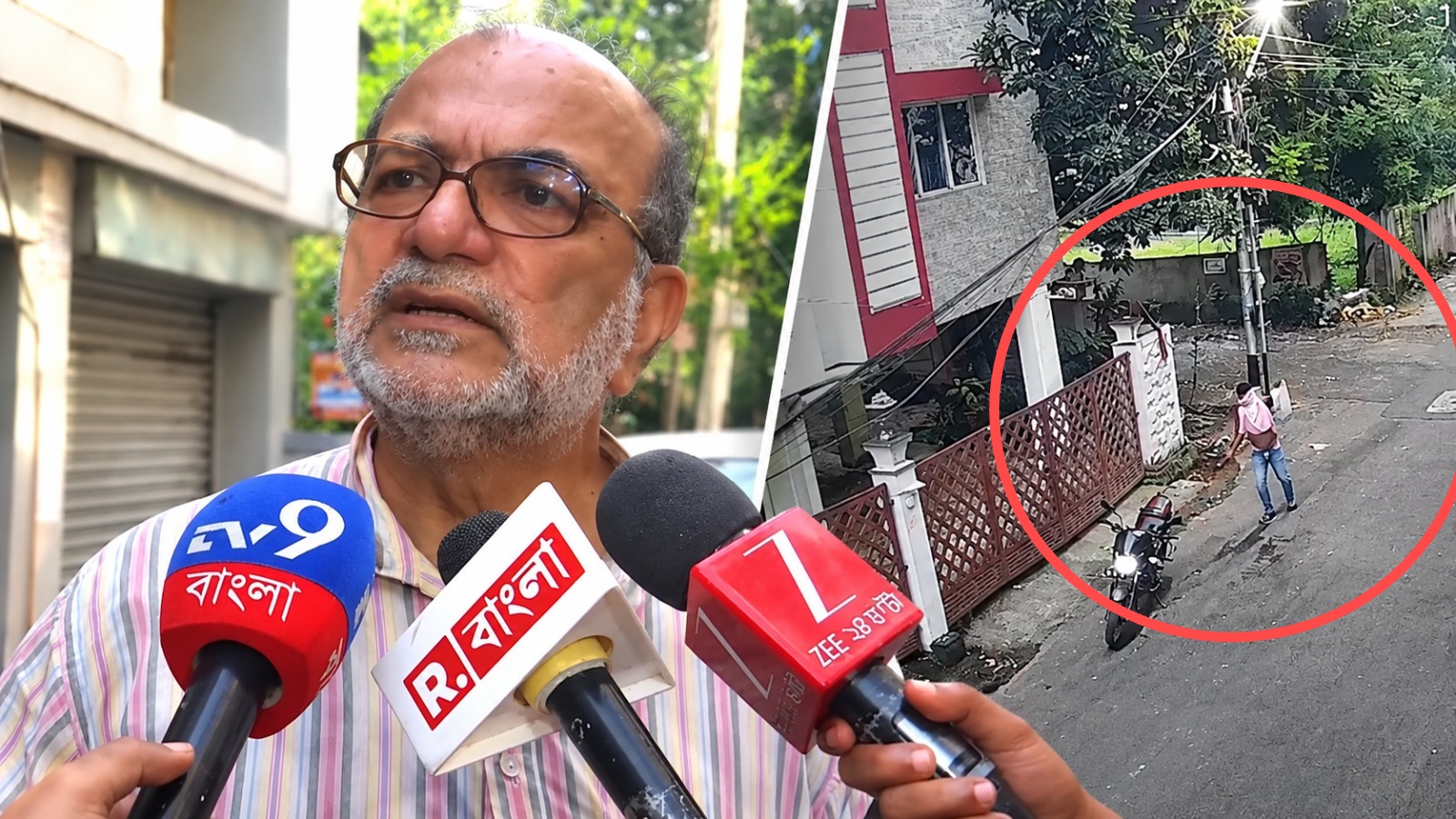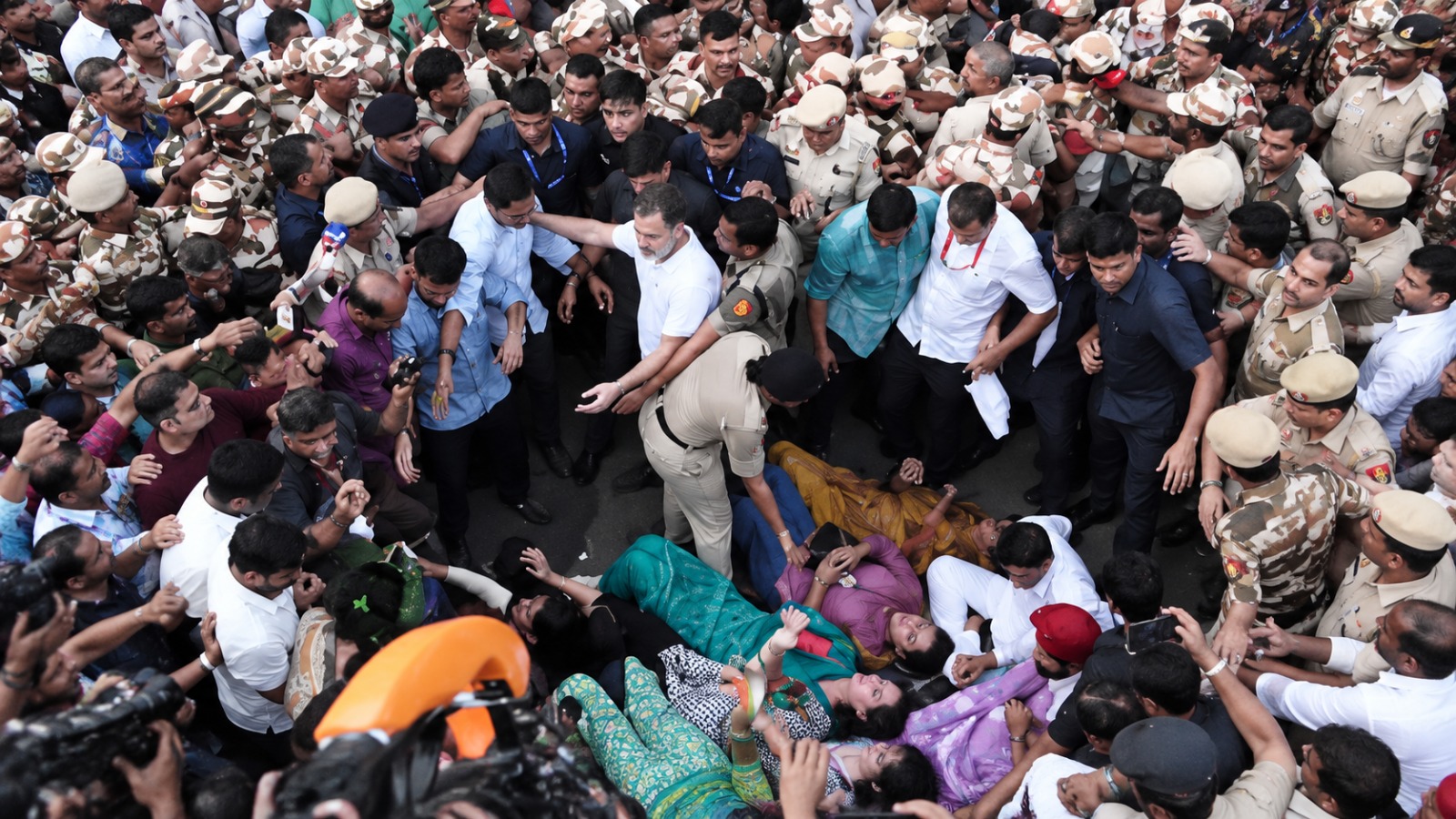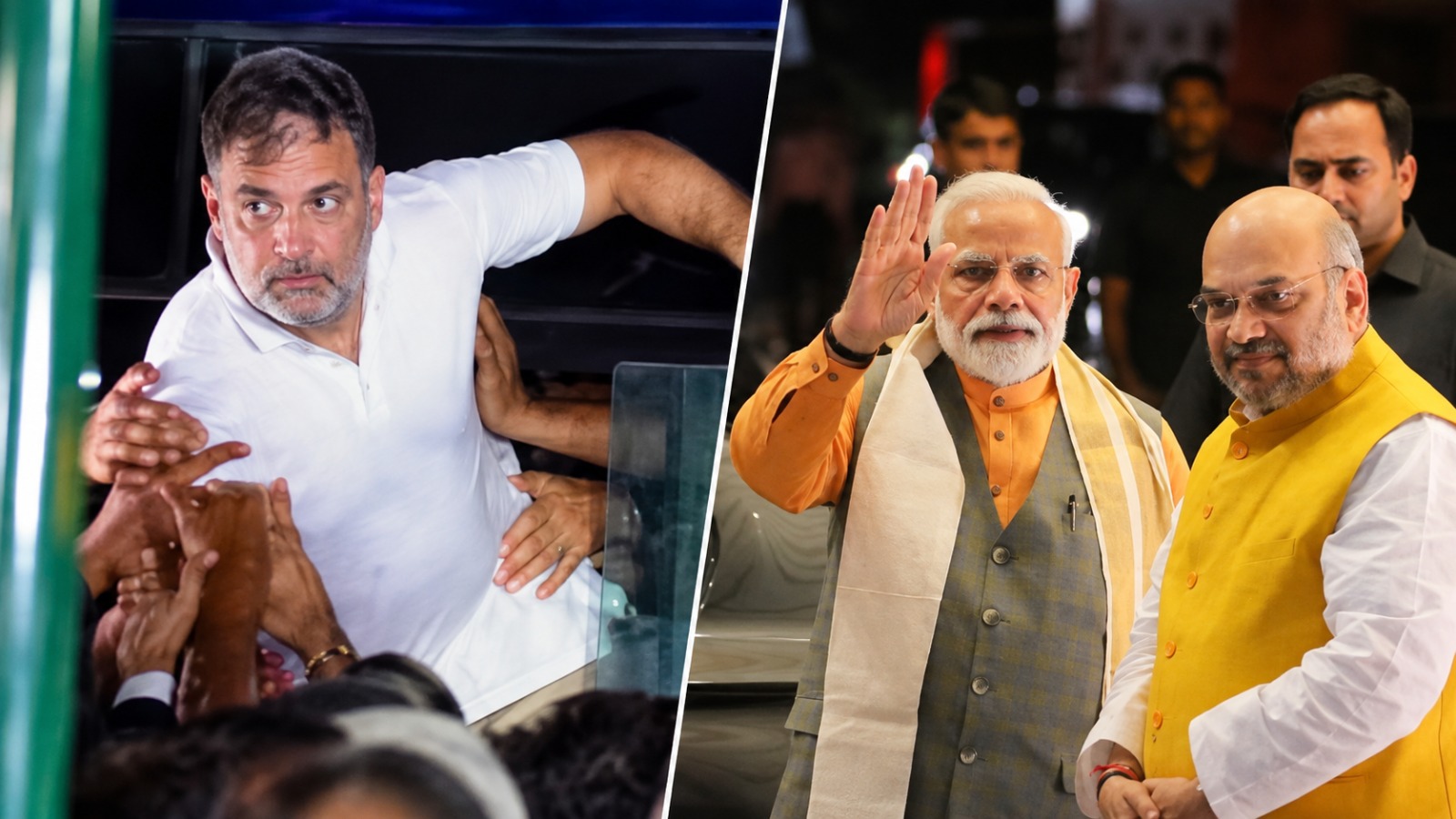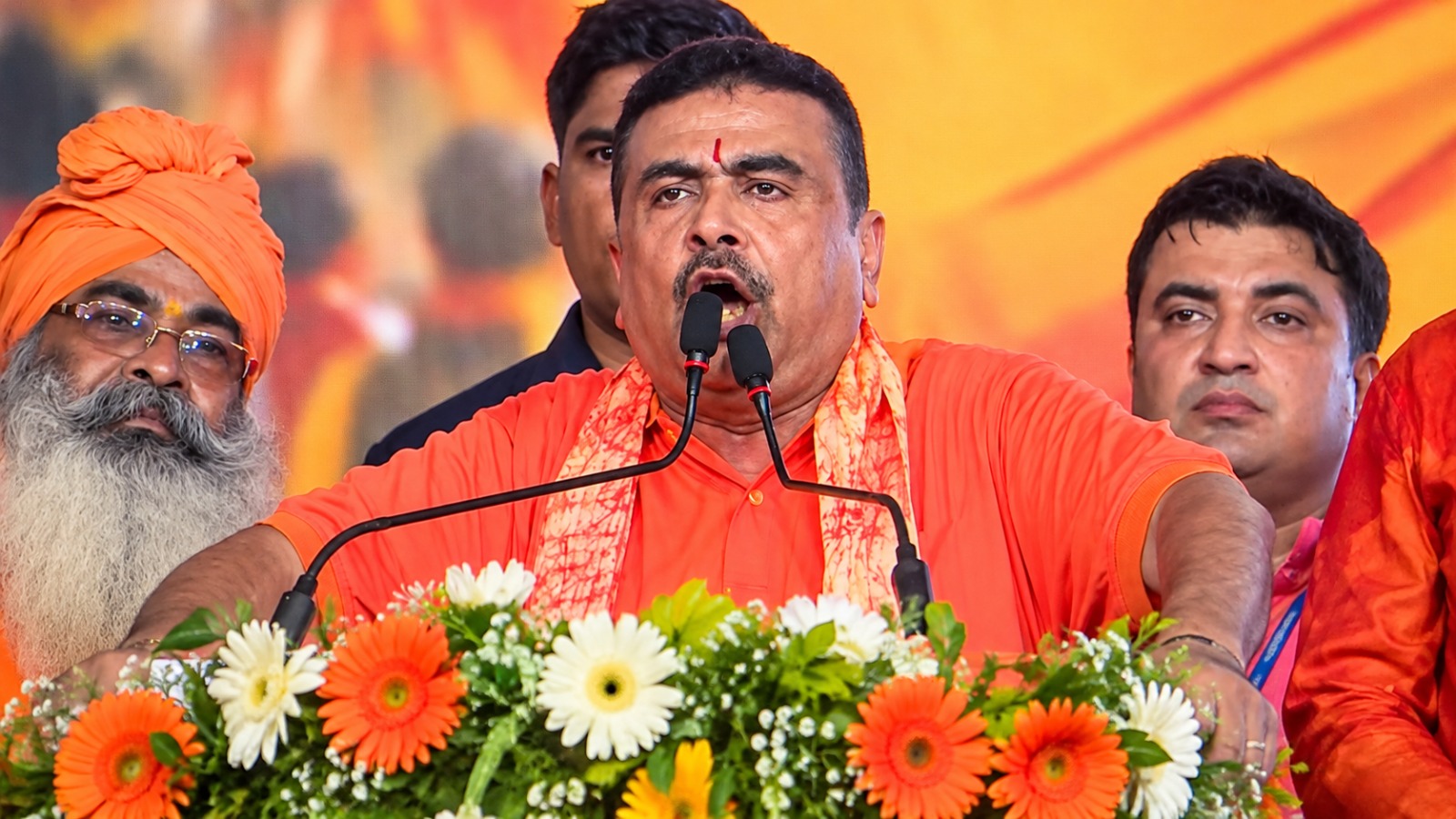
The Election Commission of India has summoned both the Mamata Banerjee and Ritabrata Banerjee factions of the All India Trinamool Congress for a hearing on September 12, turning a bitter post-poll rupture into a formal contest over the party’s name, twin-flower symbol, funds and legal identity.
The notice comes four months after West Bengal’s 2026 Assembly verdict, in which the Bharatiya Janata Party ended Trinamool’s 15-year run in power and left the party with 80 seats. What followed was not only a change of government but an open struggle over whether the organisation Mamata Banerjee founded in 1998 still belongs to her.
How the split unfolded
After the results, a large bloc of Trinamool legislators broke with the Kalighat leadership. By early June, more than 50 MLAs had aligned with Uluberia Purba legislator Ritabrata Banerjee. The Assembly Speaker recognised them as the principal opposition and named Banerjee Leader of the Opposition. The official party expelled him; the rebels treated that as irrelevant.
On June 22 they convened a “special session” at a New Town hotel. Claiming support of around 60 of the 80 MLAs, they declared the existing National Working Committee invalid, citing Article 20 of the party constitution, which they said required reconstitution every three years. The last committee, they argued, dated to February 2022 and had lapsed. They elected Howrah Madhya MLA Arup Roy as chairperson in place of Mamata Banerjee, named Ritabrata Banerjee a general secretary, and offered the founder only the role of “chief adviser.” Abhishek Banerjee was dropped from the national general secretary’s post.
The next day both camps sent competing working-committee lists to the Commission. Ritabrata’s group told officials it was the “real TMC.” Mamata Banerjee’s camp submitted a revised list dated June 20 retaining her as chairperson and her nephew as national general secretary.
What the Commission must decide
Disputes of this kind are decided under Paragraph 15 of the Election Symbols (Reservation and Allotment) Order, 1968. The Commission applies the “two-wing test” from the Supreme Court’s 1971 Sadiq Ali judgment: it weighs strength in the organisational structure and in the legislative wing. The group that wins keeps the registered name, the reserved symbol of two flowers on a stem, and access to party accounts that reports have put in the hundreds of crores. The loser must start over with a new registration and a free symbol. The Commission can also freeze the symbol in the interim, as it did in the Shiv Sena and NCP splits.
Ritabrata’s camp rests its case on numbers: a claimed two-thirds of MLAs, plus a majority of councillors and panchayat members. Mamata Banerjee’s side argues that she is founder and chairperson for life, that expelled members have no standing to rewrite the constitution, and that a hotel meeting cannot overwrite a party she built from a Congress split in 1998. She has written repeatedly to Nirvachan Sadan asking for a swift close to the inquiry and has submitted communications from legislators who later questioned the June 22 session.
A third strand has already peeled away: several Lok Sabha members left to join the Nationalist Citizens Party of India and support the NDA at the Centre. The ECI hearing is the first time both factions will argue the same file before the full bench after months of written replies, extensions and counter-letters. For Mamata Banerjee it is a test of whether founding a party in 1998 still confers ownership after an electoral collapse. For Ritabrata Banerjee it is a bid to convert legislative majority into organisational title. For Bengal’s opposition politics, the outcome will decide which group can fight the next election under the name and symbol that once defined the state’s principal regional force. The Commission has not indicated when it will rule. Until it does, the question that erupted after May 2026 remains unanswered: who, in law, is the Trinamool Congress?