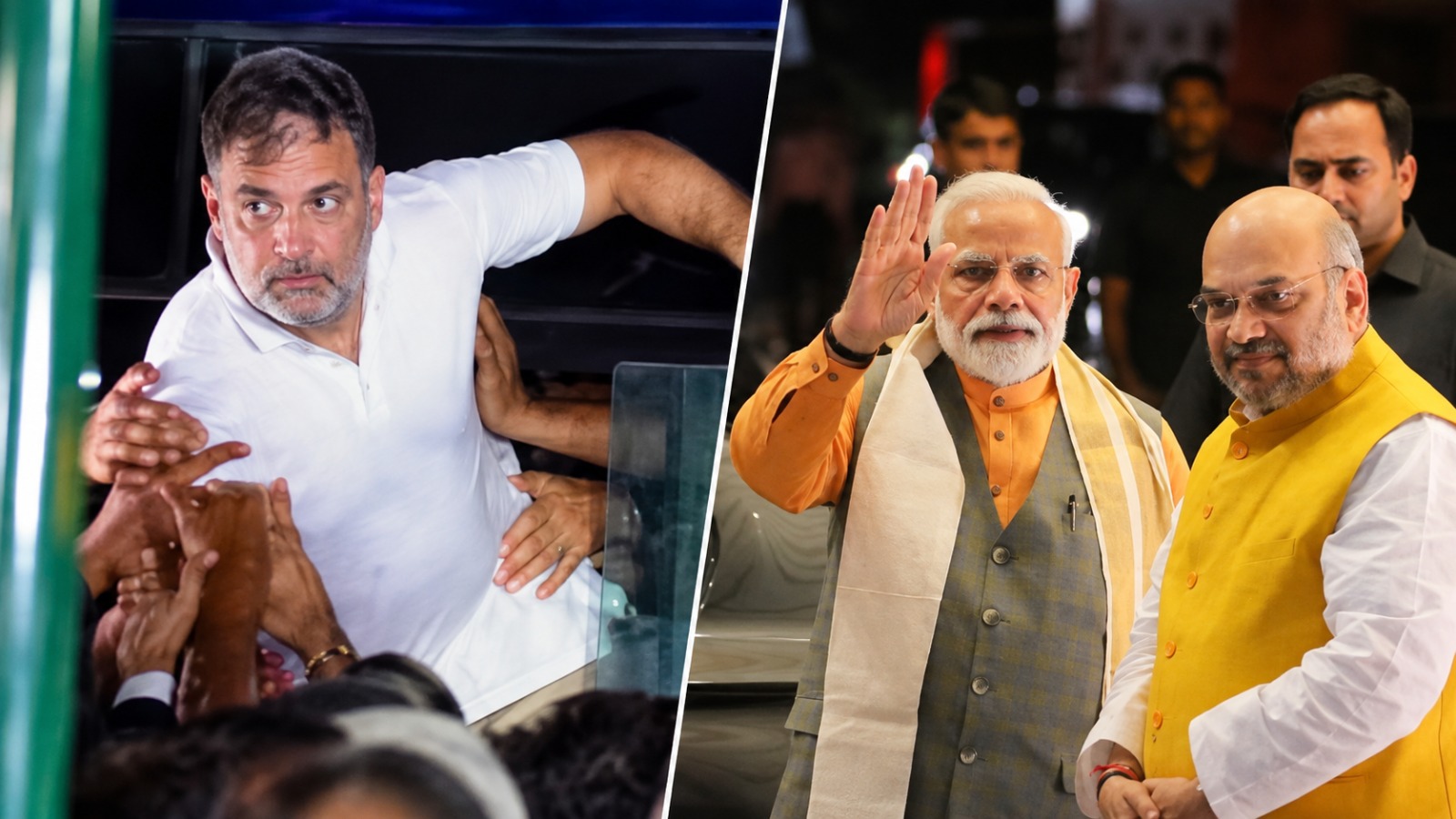

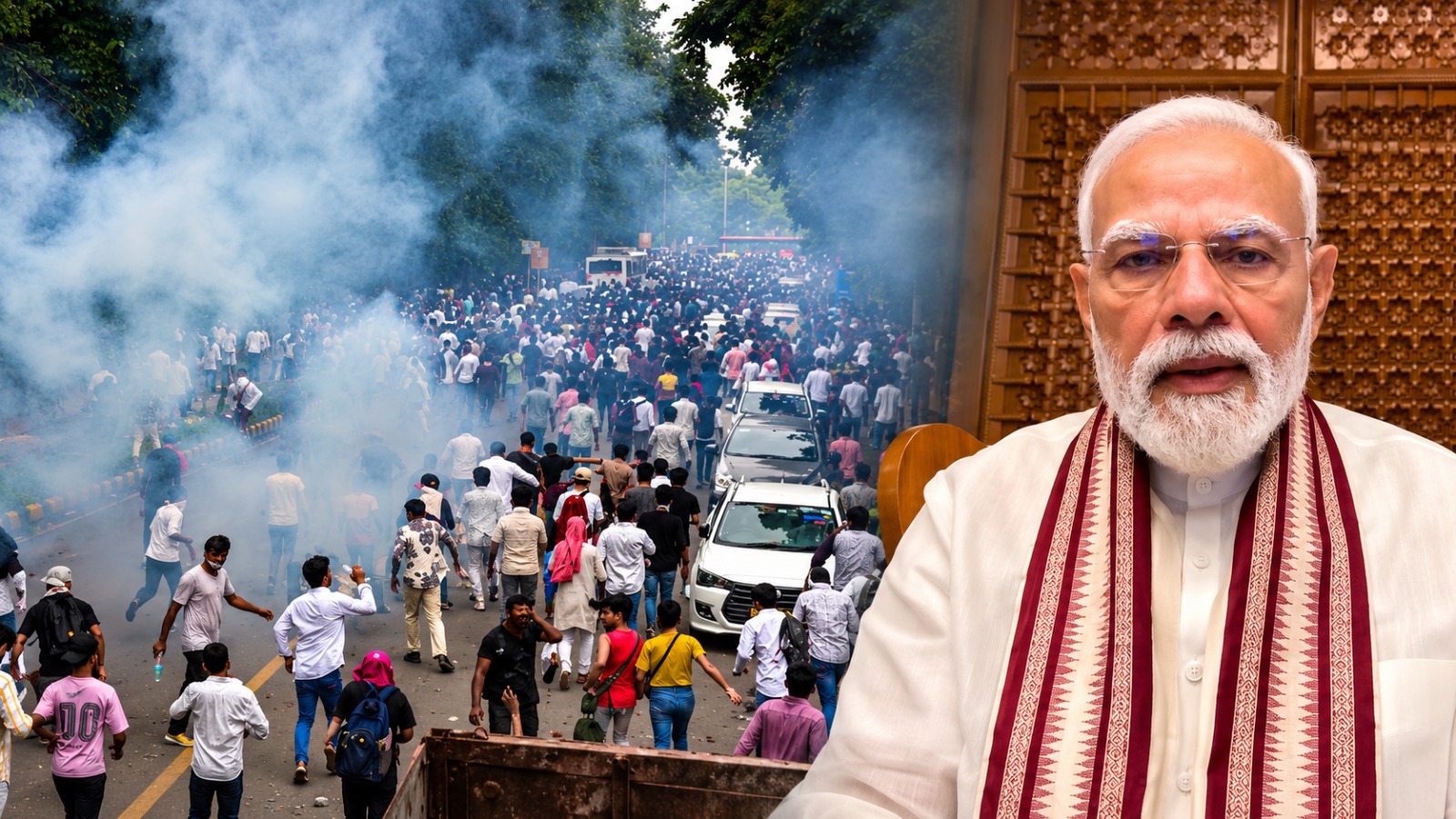
The resignation of Union Education Minister Dharmendra Pradhan following weeks of nationwide protests over the alleged NEET-UG paper leak has handed a significant victory to the youth-led Cockroach Janta Party (CJP), with political analysts suggesting the movement may have dented Prime Minister Narendra Modi's aura of political invincibility ahead of crucial state elections.
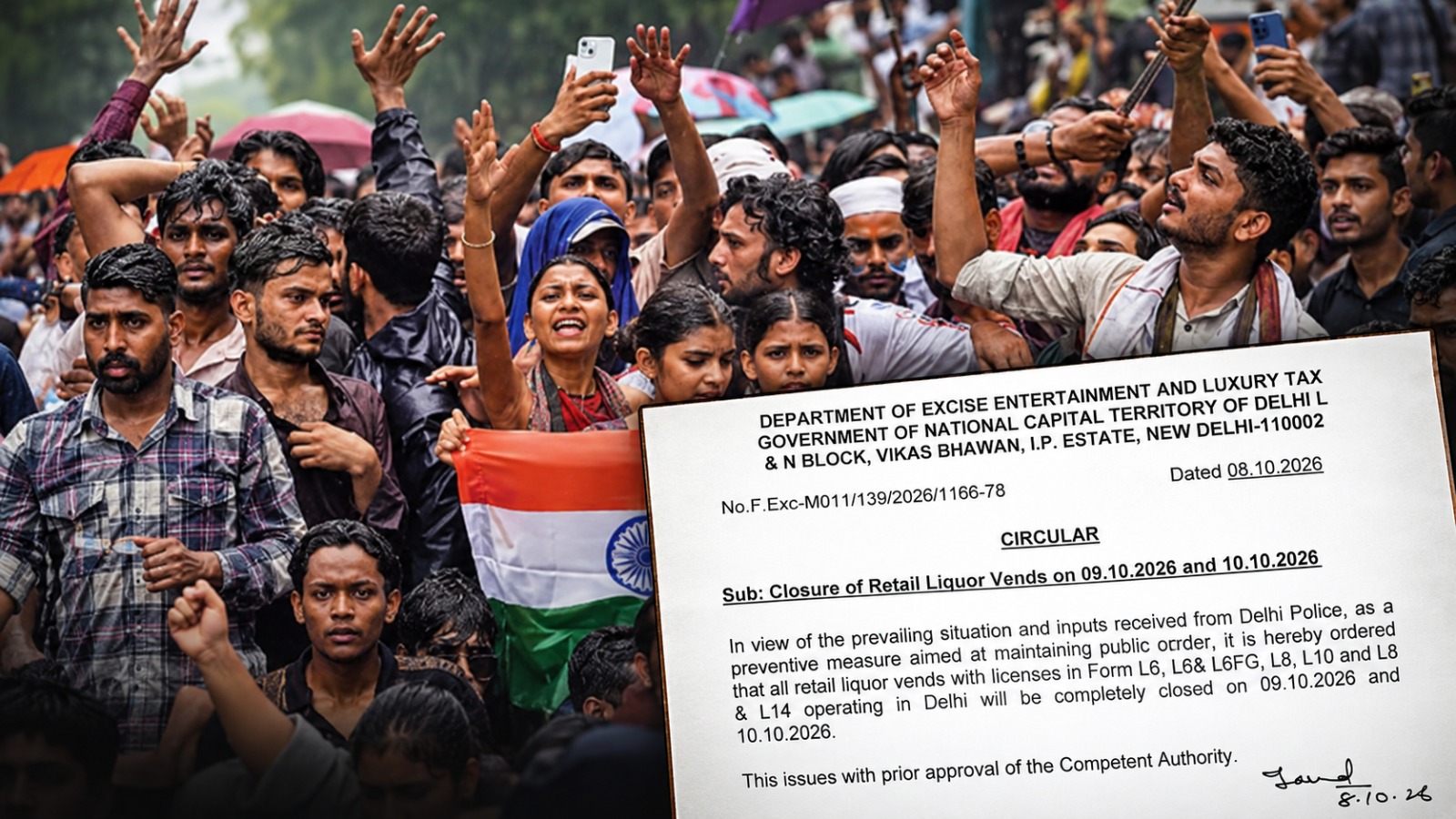
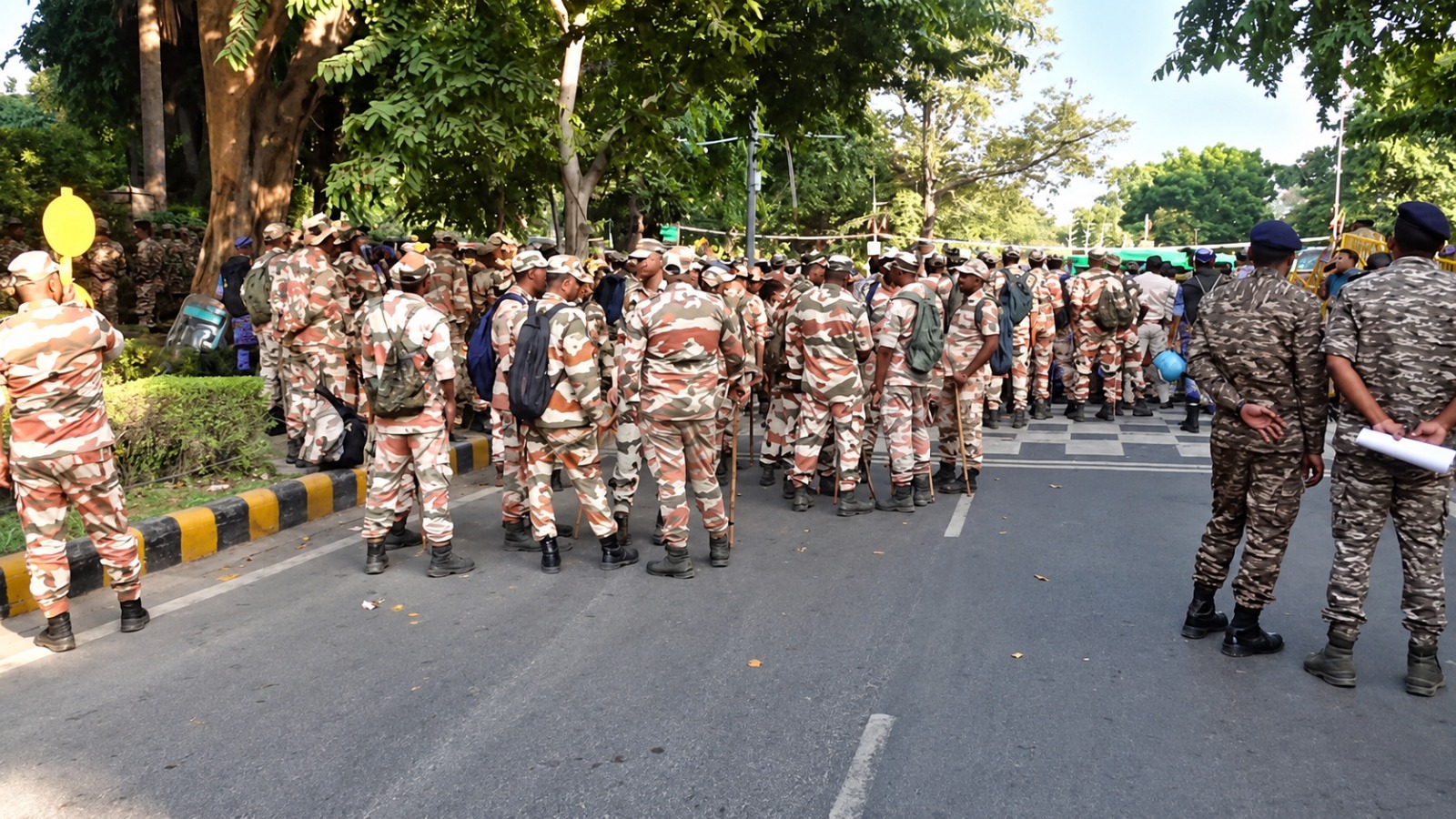
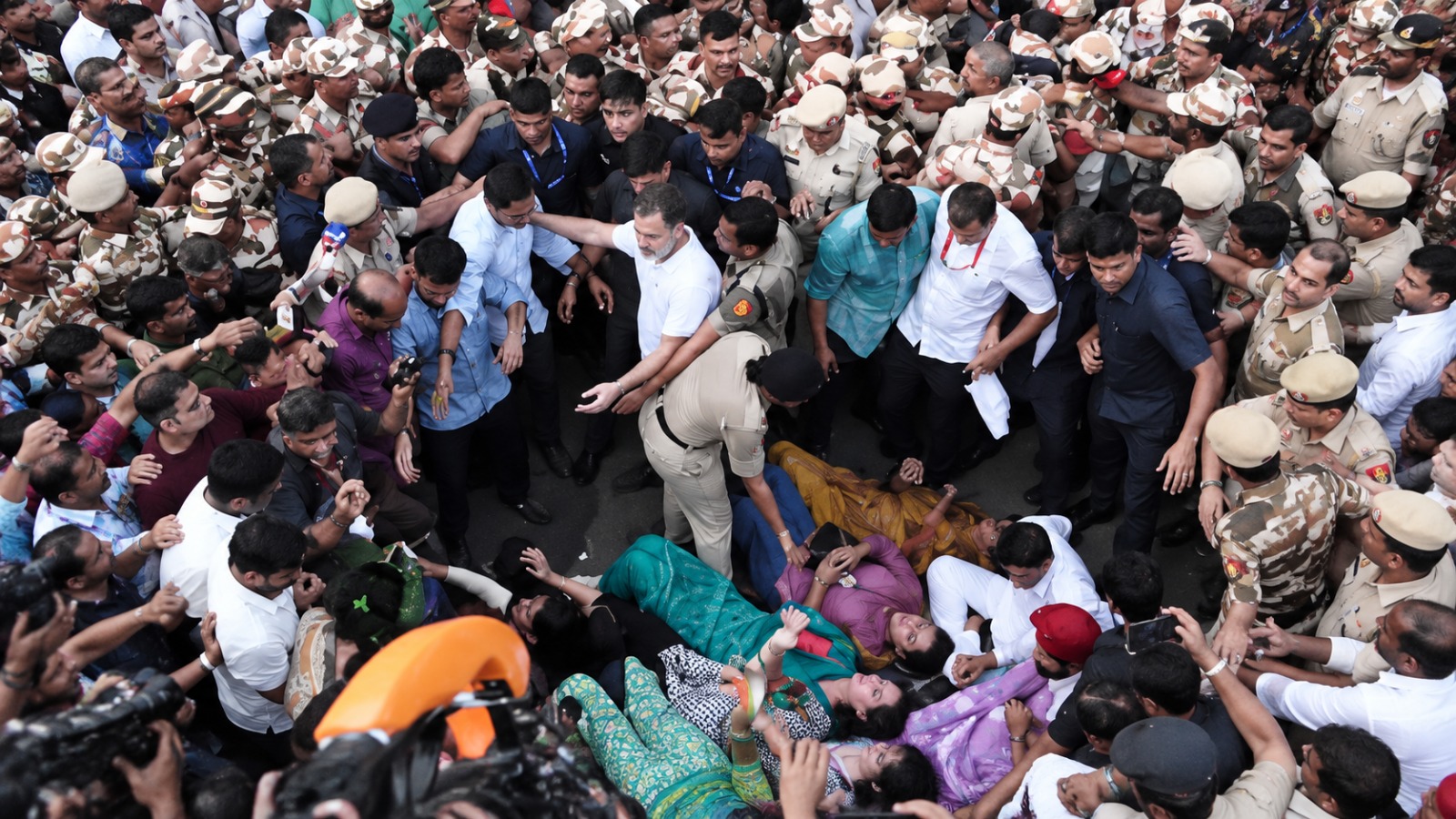
According to a Reuters report, the government's decision to accept Pradhan's resignation came after nearly five weeks of sustained demonstrations led by the CJP, which mobilised thousands of students across the country and rapidly built a massive following on social media, particularly among Gen Z users.
The turning point came after Prime Minister Modi released a rare selfie-style video message on Instagram, expressing concern over the students' agitation and promising corrective measures.
"I am pained by your suffering," Modi said, while assuring students that the government would take steps to strengthen the examination system.
Despite the outreach, protesters continued their agitation, insisting on the resignation of the Education Minister—a demand that was eventually accepted on Saturday. Reuters noted that the development marks one of the rare occasions in Modi's tenure where sustained public pressure has resulted in the resignation of a Union minister.
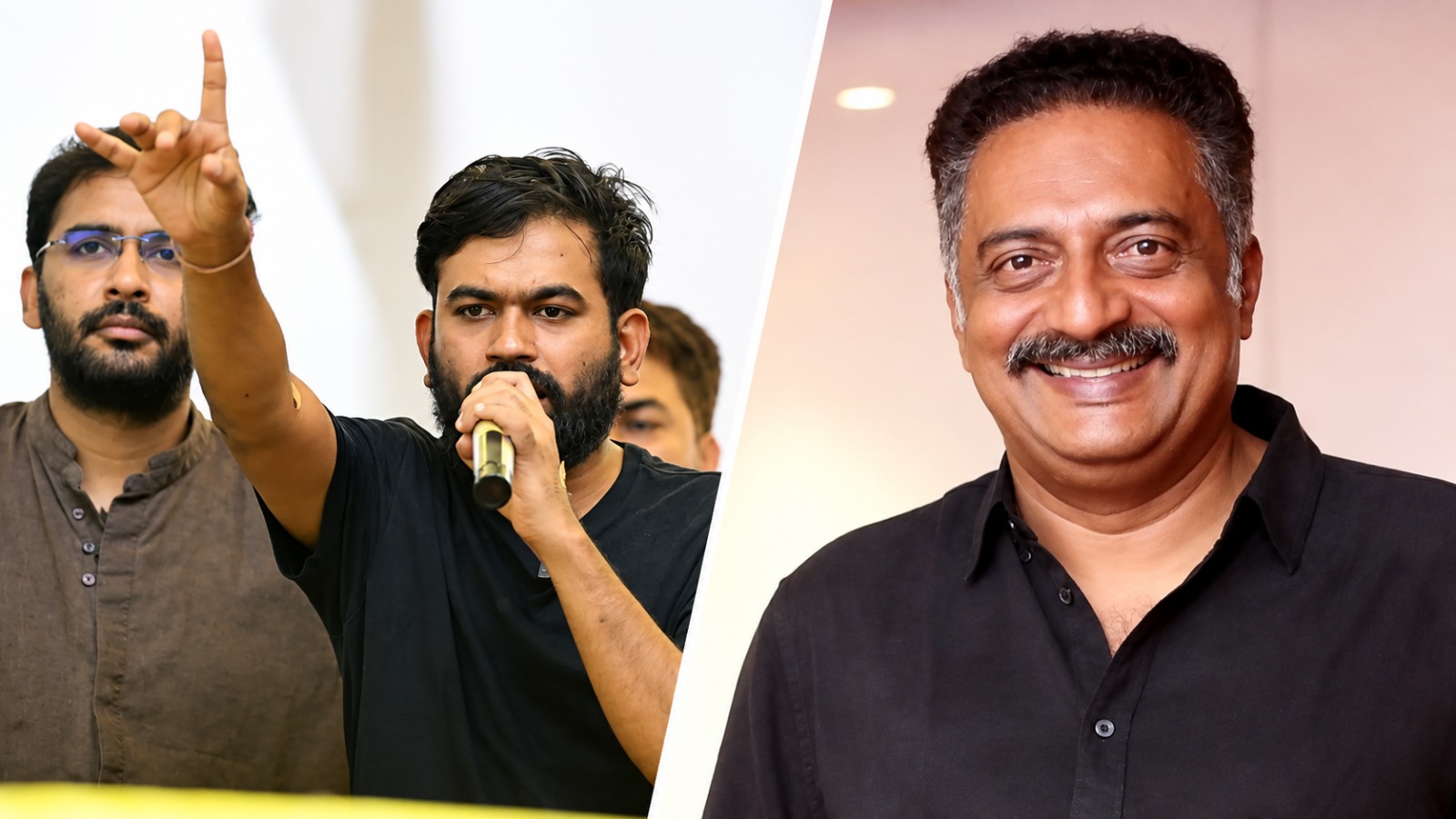
The movement, led by CJP founder Abhijeet Dipke, has also been notable for its open criticism of the Prime Minister through songs, placards and social media campaigns—something political observers describe as unusual during Modi's decade-long dominance of Indian politics.
Anthropologist Sanjay Srivastava of SOAS University of London told Reuters that the protests reflected a broader shift in public opinion. "A large number of people who were at the protest may actually be his supporters—and that's quite different from other kinds of protests in the past." He added:"A much wider cross-section of people has begun to question the idea that the ruling party is necessarily good for the country."
While the immediate trigger for the protests was the alleged NEET paper leak, analysts believe the demonstrations tapped into deeper frustrations among young Indians. Political analyst Amitabh Tiwari said the issue resonated because it reflected wider concerns over employment and economic uncertainty.
"The paper leak is a trigger point. It is largely a reflection of the anxiety, nervousness, discontent, frustration and anger among the youth," he told Reuters.The report noted that Indians aged between 18 and 40 account for around 40% of the country's population, but hold only a small share of parliamentary representation. At the same time, concerns over unemployment and the growing impact of artificial intelligence on entry-level jobs have added to youth dissatisfaction. Senior Union Minister Rajnath Singh said the government remained committed to addressing students' concerns. "Our top priority remains to understand our students' genuine concerns, address them promptly, and ensure that they know their voices are being heard," Singh said.
Reuters also reported that opposition parties have sought to capitalise on the student movement despite the CJP maintaining that it is not a political party.
Political observers believe the first electoral test of the youth mobilisation could come in the upcoming Assembly elections in Uttar Pradesh, Punjab and Gujarat. Looking further ahead, some analysts suggest the movement could have wider implications if it eventually enters electoral politics, although Dipke has said no decision has been taken on transforming the CJP into a political party.
The protests have also highlighted the changing nature of political communication, with Instagram emerging as a key platform for engaging young voters.
Author Anurag Minus Verma told Reuters that the BJP's traditional digital strategy may be struggling to connect with a new generation. "This has been a moment of reckoning for PM Modi—it shows how they are completely out of touch with what Gen Z wants." Columnist Santosh Desai echoed that view, arguing that authenticity has become more important than carefully crafted political messaging. "You need a kind of authenticity for Instagram. Pre-laboured, carefully massaged messages won't work... This generation has no reverence," he told Reuters.
According to Reuters, while the BJP remains India's largest political party and Prime Minister Modi continues to command one of the country's biggest social media followings, the rapid rise of the CJP's online presence has demonstrated the growing influence of youth-driven digital movements on India's political landscape.