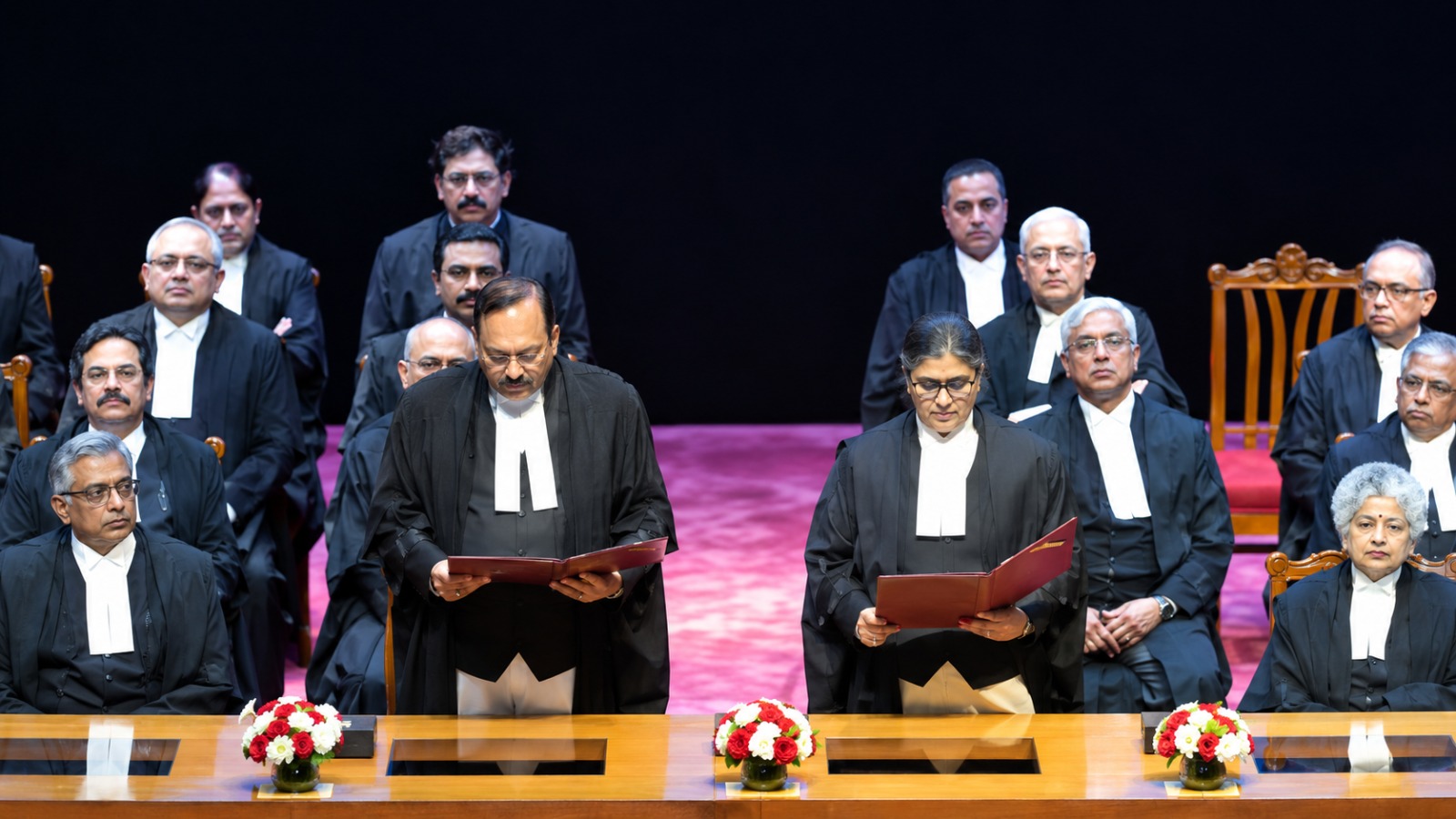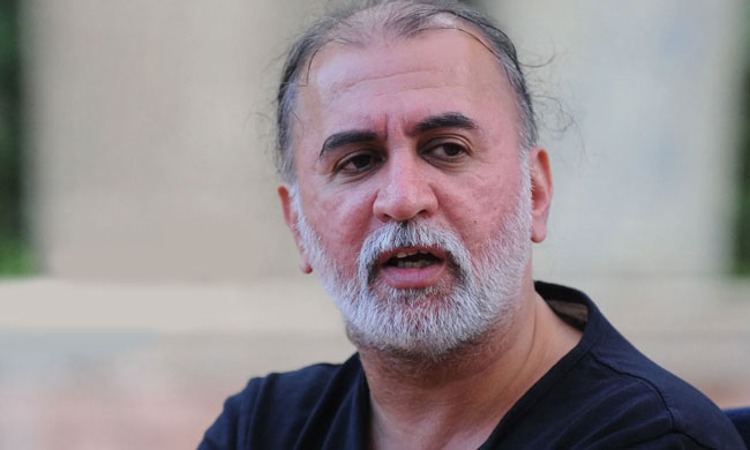
In a significant judgment in one of India's most high-profile sexual assault cases, the Bombay High Court's Goa bench on Thursday convicted former Tehelka editor-in-chief Tarun Tejpal of raping a former junior colleague, overturning his acquittal by a Goa trial court in 2021.
The High Court held Tejpal guilty under provisions of the Indian Penal Code relating to rape, sexual harassment and abuse of a position of trust, reversing the trial court's verdict nearly four years after it had acquitted him of all charges. The conviction exposes the 63-year-old journalist to a minimum sentence of 10 years' imprisonment, which could extend to life imprisonment. The quantum of sentence is expected to be pronounced later on Thursday.
The case stems from allegations that Tejpal sexually assaulted a young journalist in a lift at a five-star hotel in Goa during Tehelka's annual ThinkFest event in November 2013. The conference, attended by several prominent personalities including Hollywood actor Robert De Niro, had turned into one of the country's most closely watched criminal cases after the survivor accused Tejpal of raping her inside the hotel elevator on two occasions.
Following the allegations, Tejpal was arrested and spent around seven months in judicial custody before being granted bail by the Supreme Court. In May 2021, a Goa sessions court acquitted him of charges including rape, sexual harassment and wrongful restraint, citing lack of evidence. The Goa government challenged that verdict before the Bombay High Court, which has now set aside the acquittal.
Appearing for the Goa government, Solicitor General Tushar Mehta urged the court to award the maximum punishment, arguing that the verdict should reinforce the principle of consent.
"This court must give a clear message to society that when a girl says no, it means no. A no means a no," Mehta submitted before the court.
The High Court convicted Tejpal under, among other provisions, Section 376(2)(f) of the Indian Penal Code, which pertains to rape committed by a person occupying a position of trust or authority over the woman.
Reacting to the verdict, investigating officer Sunita Sawant, who led the Goa Police probe, described the judgment as an important milestone for working women.
"This is a sentence where a girl has stood up for her rights. This judgment is very important for women who are working in any sector," Sawant told reporters.
Tejpal has consistently denied the allegations. After the complaint first surfaced, he described the incident as "a lapse of judgment" and "a misreading of the situation," before later asserting that the allegations should be tested against CCTV footage and claiming the prosecution was driven by "political vendetta" by the BJP government in Goa.
Following Thursday's conviction, Tejpal maintained his innocence and indicated that he would challenge the verdict before a higher court.
"I believe I am a political victim. We will go up and appeal," Tejpal told the court while seeking leniency before sentencing.
The case had emerged barely a year after the 2012 Delhi gang rape and murder, a crime that triggered nationwide protests and sweeping reforms to India's sexual assault laws. The allegations against one of the country's most influential investigative journalists shocked the media fraternity and severely dented the credibility of Tehelka, a publication long associated with exposing corruption and championing social justice. The magazine has since continued operations under new leadership.
The High Court's verdict marks a major turning point in the decade-long legal battle and is likely to have far-reaching implications for workplace sexual harassment cases involving persons in positions of authority.